


BioJapan2026 Sponsor Seminar (2026.10.07,Wed :Annex Hall F206)

Toward the Social Implementation of Evidence-Based Self-Care and Well-Being Technologies
AIST has established the Integrated Research Center for Self-Care Technology and the Integrated Research Center for Wellbeing with the aim of socially implementing technologies that enable everyone to practice self-care and well-being based on scientific evidence, thereby realizing a healthy and long-lived society with well-being (“Ken-Kō” longevity society). In this seminar, we will discuss strategies for the social implementation of self-care and wellbeing technologies that promote proactive health management and behavior change-enabling each person to “become their own primary physician.”
Sponsor Seminar
Director, Research Planning Office, Department of Life Science and Biotechnology, AIST
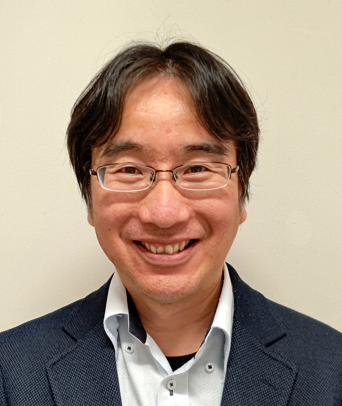
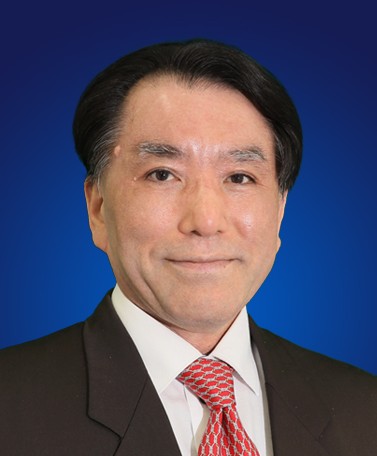
As populations age and shortages of healthcare and caregiving professionals become increasingly severe, empowering individuals to understand their own health conditions and proactively manage their well-being has become an urgent societal challenge. In this presentation, we will introduce efforts to realize a society in which people are empowered to make informed decisions about their health through the use of evidence-based sensing technologies, digital biomarkers, and AI-driven analytics. We will also discuss AIST’s initiatives to promote co-creation with industry, healthcare organizations, and local governments, integrating the entire innovation cycle from research and development to evaluation, validation, and real-world deployment of self-care technologies. Finally, we will present our vision for creating new healthcare industries and driving social transformation that extends healthy life expectancy while reducing the burden on healthcare and long-term care systems.
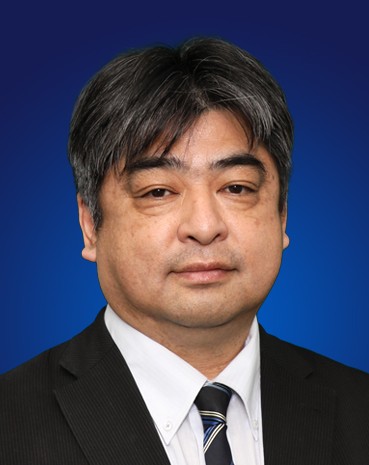
As the population ages, extending healthy life expectancy and maintaining social participation have become critical challenges. In this presentation, we will introduce the potential of well-being technologies to achieve a “balance between work and health.” Even as physical functions decline with age, we propose a new framework for social participation that enables people to continue working while reducing physical strain through collaborative work between humans and robots and remote-control robot technology. In particular, we will focus on new ways of working that allow physical tasks to be performed remotely, envisioning a society where older adults can continue to utilize their experience and knowledge. Furthermore, from the perspective of social participation‐a key component of health as defined by the WHO‐we will discuss the development of well-being indicators for employment and evaluation criteria for work styles that are less burdensome and more rewarding.
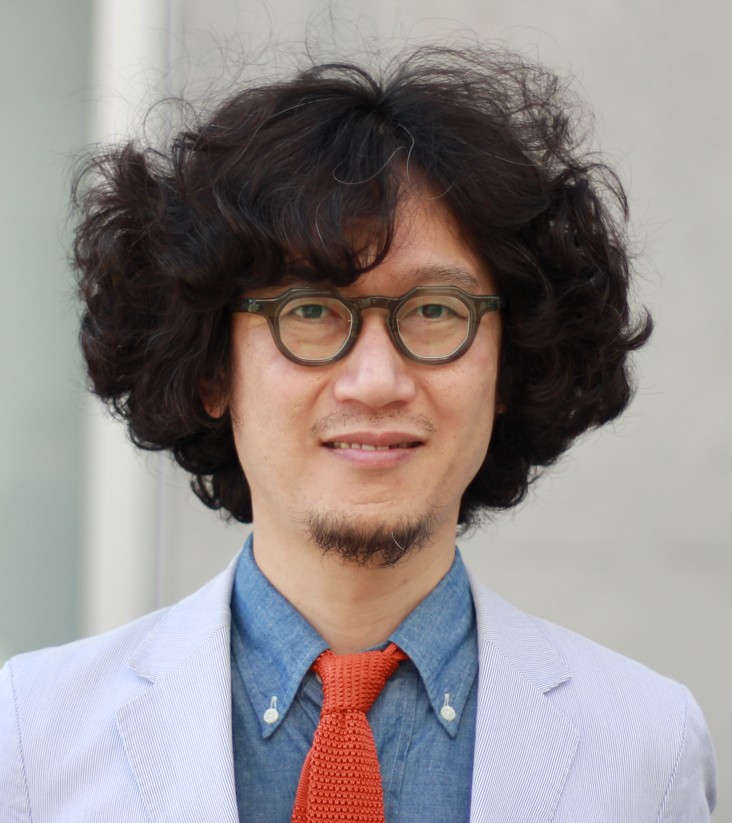
Human movement contains rich information not only about physical function and health, but also about daily habits and changes in mental and physical well-being. This talk introduces technologies for measuring and analyzing gait and other everyday movements, together with approaches for seamlessly integrating these measurements into daily life. It also presents research that uses movement data to promote personalized self-care and positive behavior change. Finally, the talk introduces a Contextual Reframing approach, which redesigns everyday contexts so that people become healthier naturally through enjoyable experiences rather than conscious effort, and discusses its latest developments and future applications for self-care.