Environmentally Benign Process Research Group
As resource constraints intensify, the importance of chemical recycling and upcycling technologies for difficult-to-process underutilized resources—previously regarded as waste—continues to grow. Our group develops novel environmentally harmonized processes based on catalysis, organic synthesis, and materials chemistry to enable the circular use of elements such as carbon and phosphorus.
Main Research Subjects
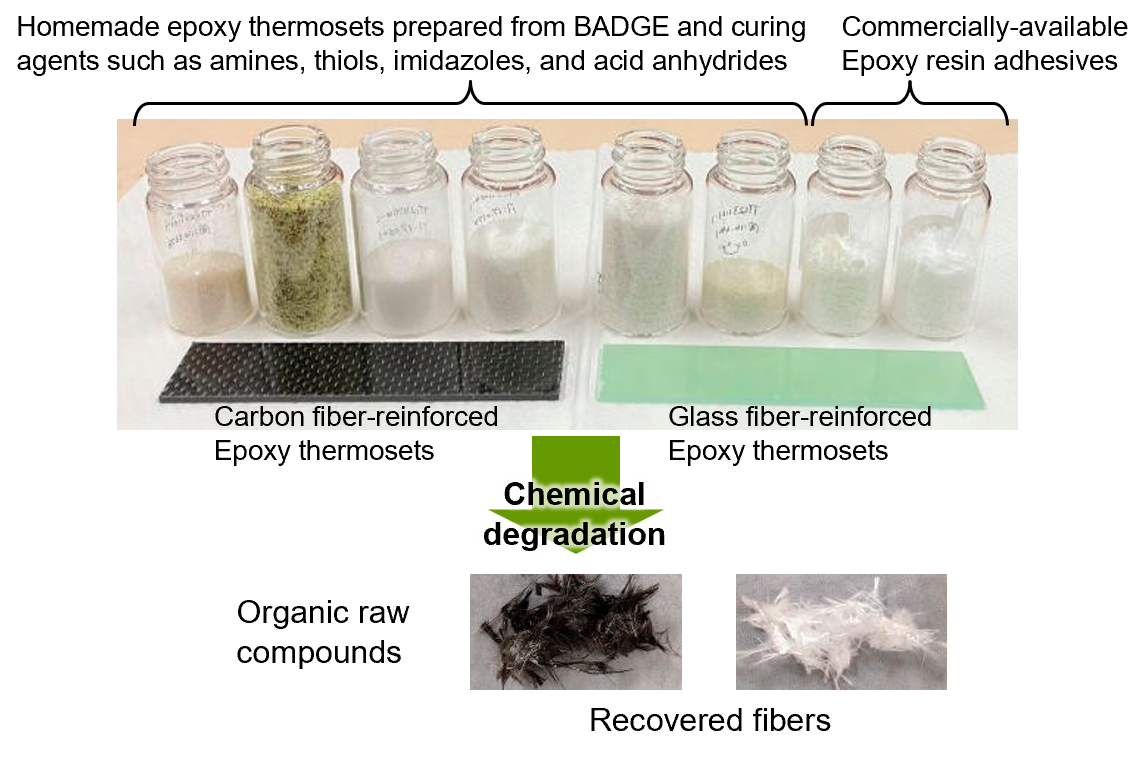
1. Chemical degradation of epoxy resins
Epoxy resins are highly stable thermosetting plastics widely used in adhesives, aircraft, and wind turbines. We have successfully developed technologies to chemically decompose epoxy resins into their original raw compounds. This approach is also applicable to fiber-reinforced composites, enabling the recovery of carbon and glass fibers, and can be extended to super engineering plastics such as polyetheretherketone.
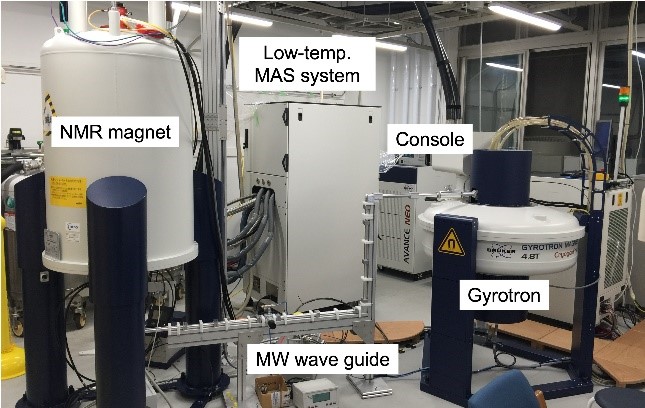
2. DNP-NMR
DNP-enhanced solid-state NMR is an advanced analytical technique that dramatically improves signal sensitivity by irradiating samples with high-power microwaves in the presence of biradical compounds. Using this method, we have successfully analyzed trace terminal functional groups in super engineering plastics and elucidated the detailed structures of active sites around supported solid catalysts.
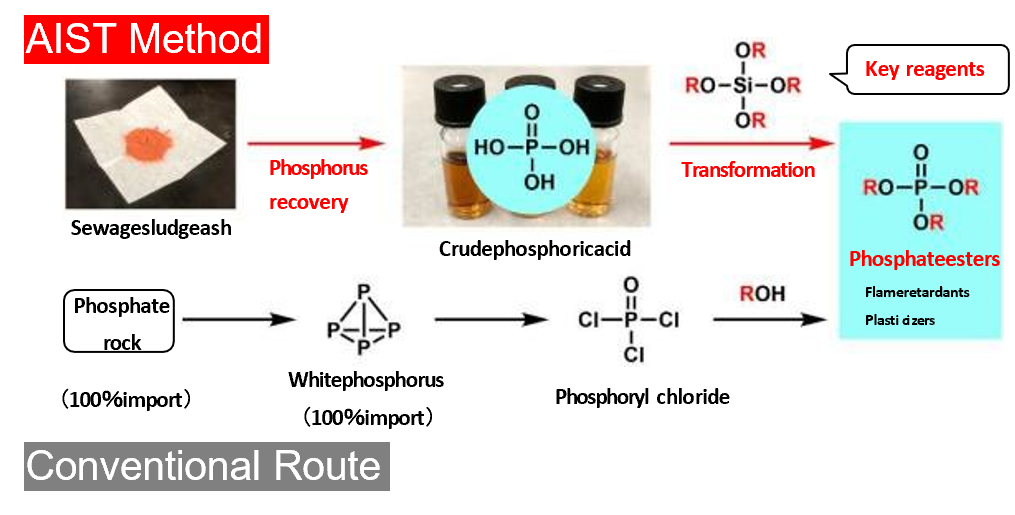
3. Phosphate esterification reactions
Japan relies heavily on imported phosphorus resources, making the development of domestic phosphorus recycling technologies an urgent issue. We have developed a silicon-based method that enables one-step esterification of crude phosphoric acid recovered from sewage sludge ash, contributing to the circular utilization of phosphorus resources.
- Research Groups
- Advanced Separation Materials Research Group
- Organic Resource Conversion Research Group
- Nanopore Design Research Group
- Macromolecular Functions Applying Research Group
- Continuous Synthesis Systems Engineering Research Group
- Energy-efficient Chemical Systems Research Group
- Functional Materials Processing Research Group
- Organic Reaction Chemistry Research Group
- Innovative Heterogeneous Catalytic Process Research Group
- Environmentally Benign Process Research Group