Organic Resource Conversion Research Group
To ensure a stable supply of organic resources, the Organic Resource Conversion Research Group develops reaction processes that convert underutilized resources—such as CO₂, waste plastics, biomass, and phosphorus—into chemical feedstocks, thereby diversifying resource acquisition pathways. By promoting digital transformation (DX) in catalyst and process development through machine-learning-based prediction and automated experimental robotics, we aim to shorten development timelines in industry.
Main Research Subjects
1. High-temperature water-based conversion technologies
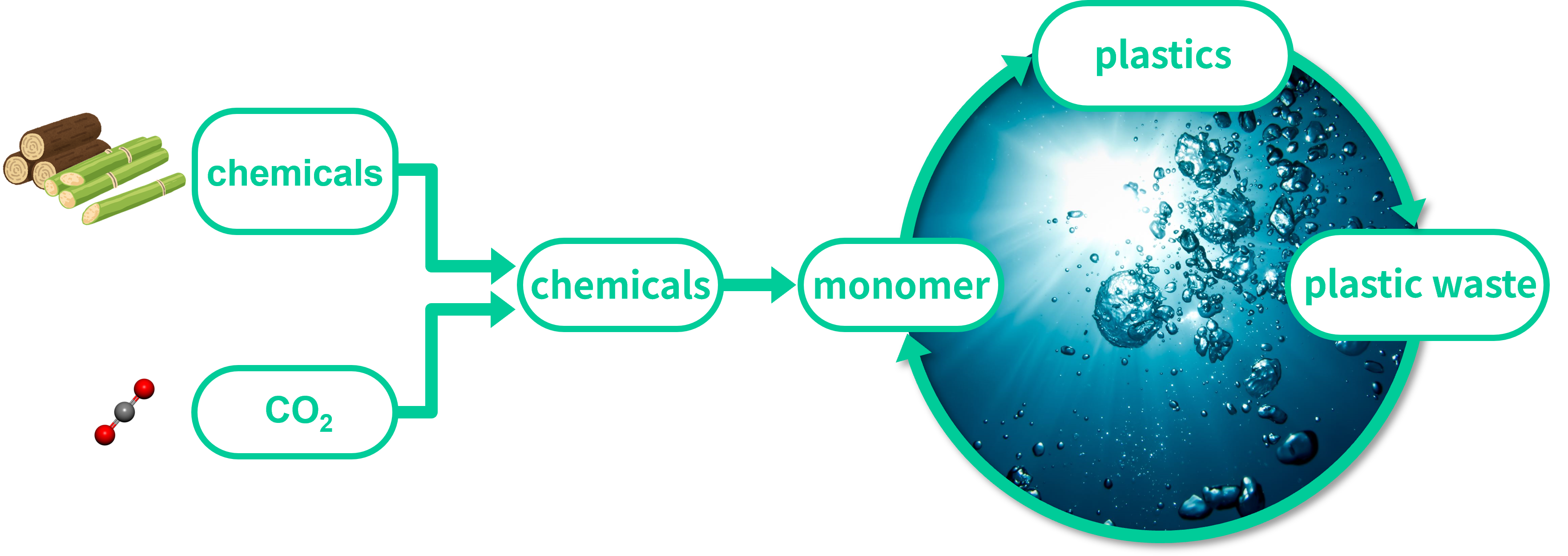
We are developing chemical recycling technologies that continuously process post-consumer plastics such as PET and nylon using only high-temperature water. In addition, by combining high-temperature water with solid catalysts, we are developing reaction processes to produce chemical feedstocks, including aromatic compounds, from domestically available biomass and other resources.
2. Microwave-based selective local heating technologies
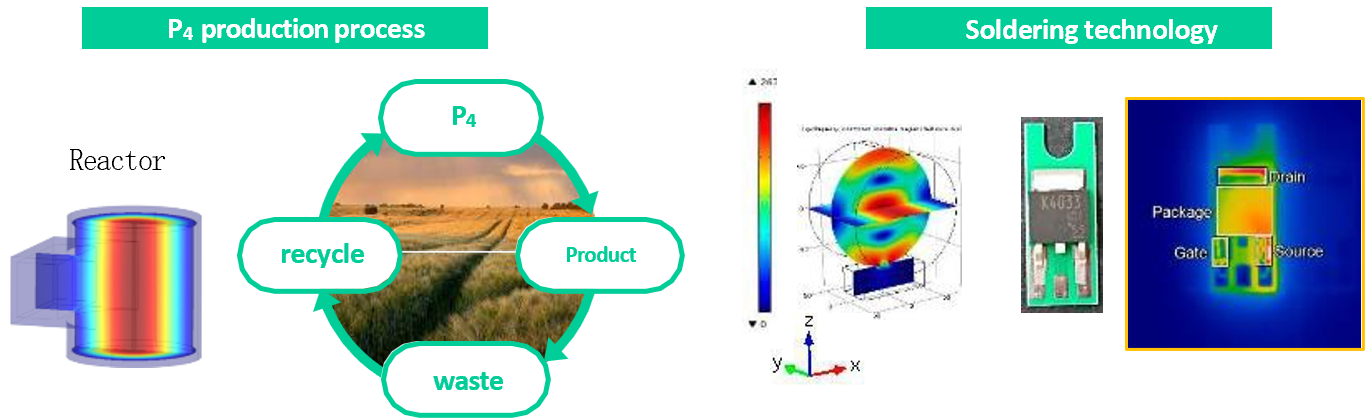
Using selective local heating technologies based on controlled microwave resonance modes, we are developing reaction processes that efficiently convert phosphorus recovered from waste into yellow phosphorus, an intermediate for industrial phosphorus products. We are also working on soldering and mounting technologies essential for electronic component manufacturing by applying microwave “magnetic-field” heating.
3. Technologies for the utilization of bio-based chemicals
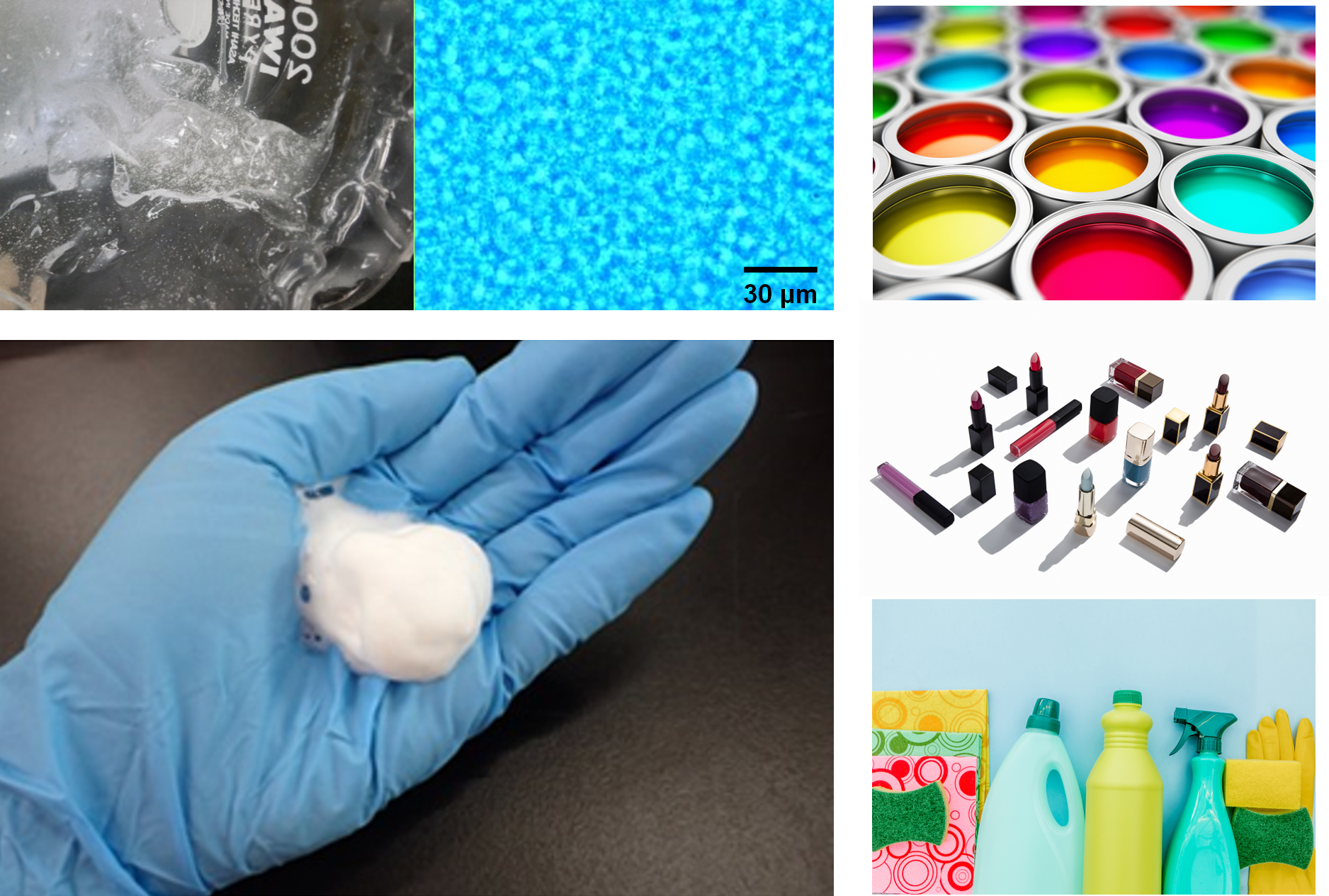
To promote the social implementation of chemicals derived from biomass conversion, we focus on developing technologies to utilize secondary metabolites produced through microbial fermentation as functional materials. By leveraging the unique chemical structures and functions of biologically derived molecules, we aim to create new industries for the future.
- Research Groups
- Advanced Separation Materials Research Group
- Organic Resource Conversion Research Group
- Nanopore Design Research Group
- Macromolecular Functions Applying Research Group
- Continuous Synthesis Systems Engineering Research Group
- Energy-efficient Chemical Systems Research Group
- Functional Materials Processing Research Group
- Organic Reaction Chemistry Research Group
- Innovative Heterogeneous Catalytic Process Research Group
- Environmentally Benign Process Research Group