Quantum Photonics Hardware Research Team
Mission
We develop scalable quantum photonics hardware platforms that enable future quantum technologies. By combining nanofabrication, precision photonic engineering, and quantum measurement science, we create the key optical components and evaluation technologies required for photonic, neutral-atom, and trapped-ion quantum computing.
Overview
The Quantum Photonics Hardware Research Team at G-QuAT is dedicated to building the photonic hardware foundation for next-generation quantum information technologies.
Our research spans the complete lifecycle of advanced quantum photonic devices—from design and fabrication to characterization and system-level validation.
We develop integrated photonic circuits based on thin-film lithium niobate (TFLN) and silicon photonics, quantum light sources including optical frequency combs
and squeezed-light sources, and high-performance photon-number-resolving detectors based on transition-edge sensors (TES).
Supported by advanced photonic-electronic measurement platforms and high-throughput wafer-scale testing capabilities, we aim to accelerate the transition of
quantum technologies from laboratory demonstrations to scalable and deployable systems in collaboration with industry and national quantum programs.
Research Areas
Quantum Photonic Hardware
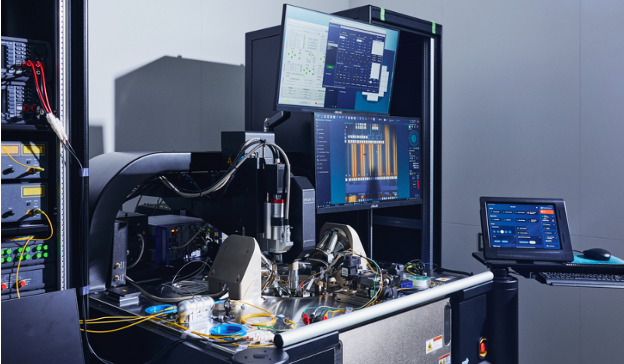
We develop the photonic hardware that enables next-generation quantum technologies. Our research includes integrated photonic circuits, optical modulators, nonlinear photonic devices, optical frequency combs, and squeezed-light sources based on thin-film lithium niobate (TFLN) and silicon photonics. These technologies provide key building blocks for photonic, neutral-atom, and trapped-ion quantum computing platforms.
Quantum Measurement and Metrology
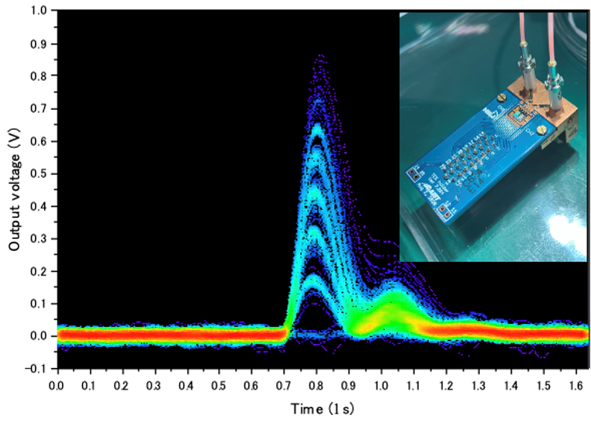
We develop high-performance photon detection and measurement technologies based on transition-edge sensors (TES), together with advanced quantum imaging techniques. Leveraging AIST's expertise in metrology, we establish calibration and evaluation methods traceable to national standards, supporting reliable and quantitative measurements for quantum technologies and related applications.
Team Members (As of Oct. 1st, 2026)
| Photo | Affiliation / Position and Name | Field of Expertise |
|---|---|---|
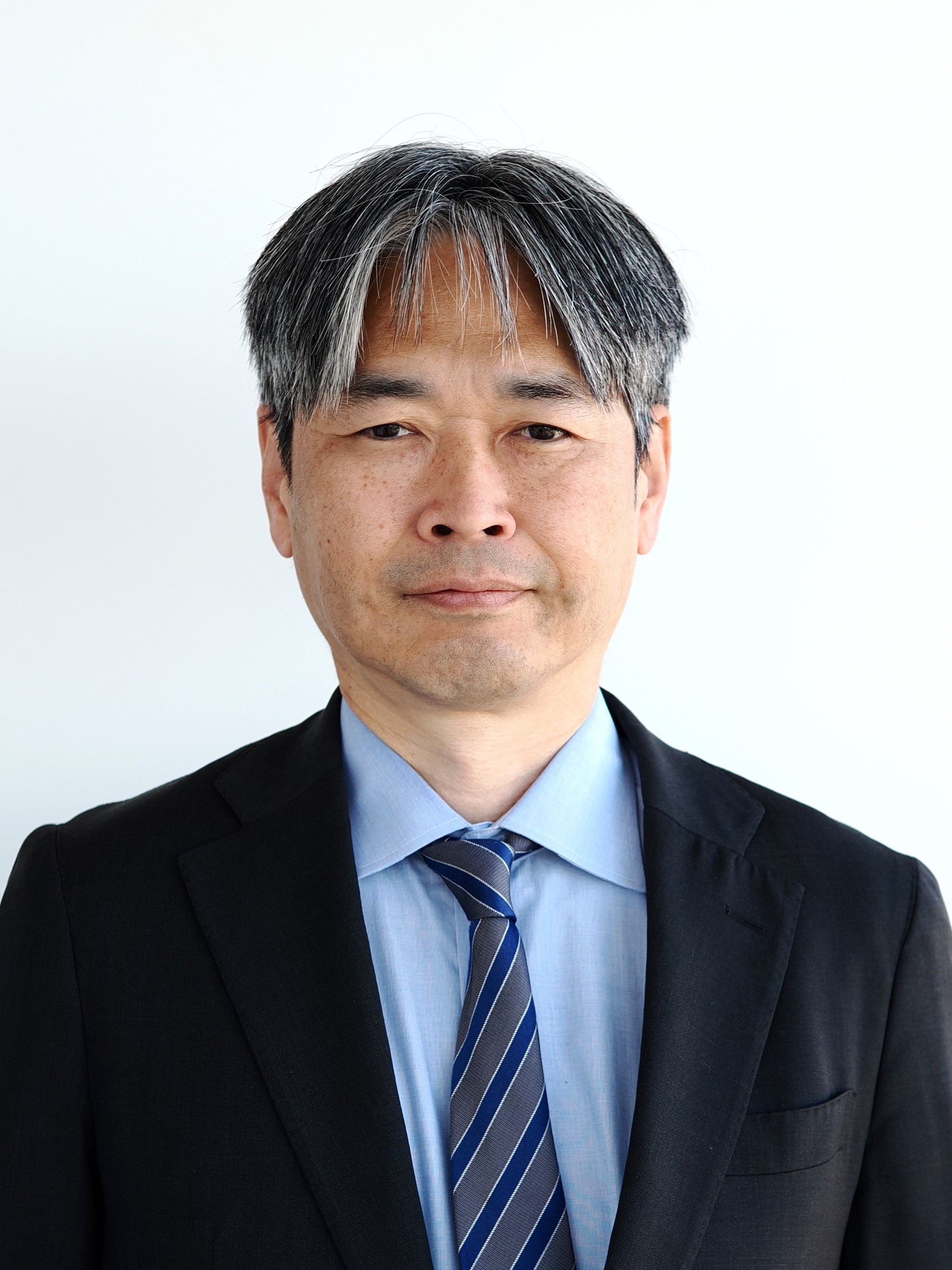 |
Team Leader
Chiharu URANO |
Precision Measurement Science Using Quantum Devices |
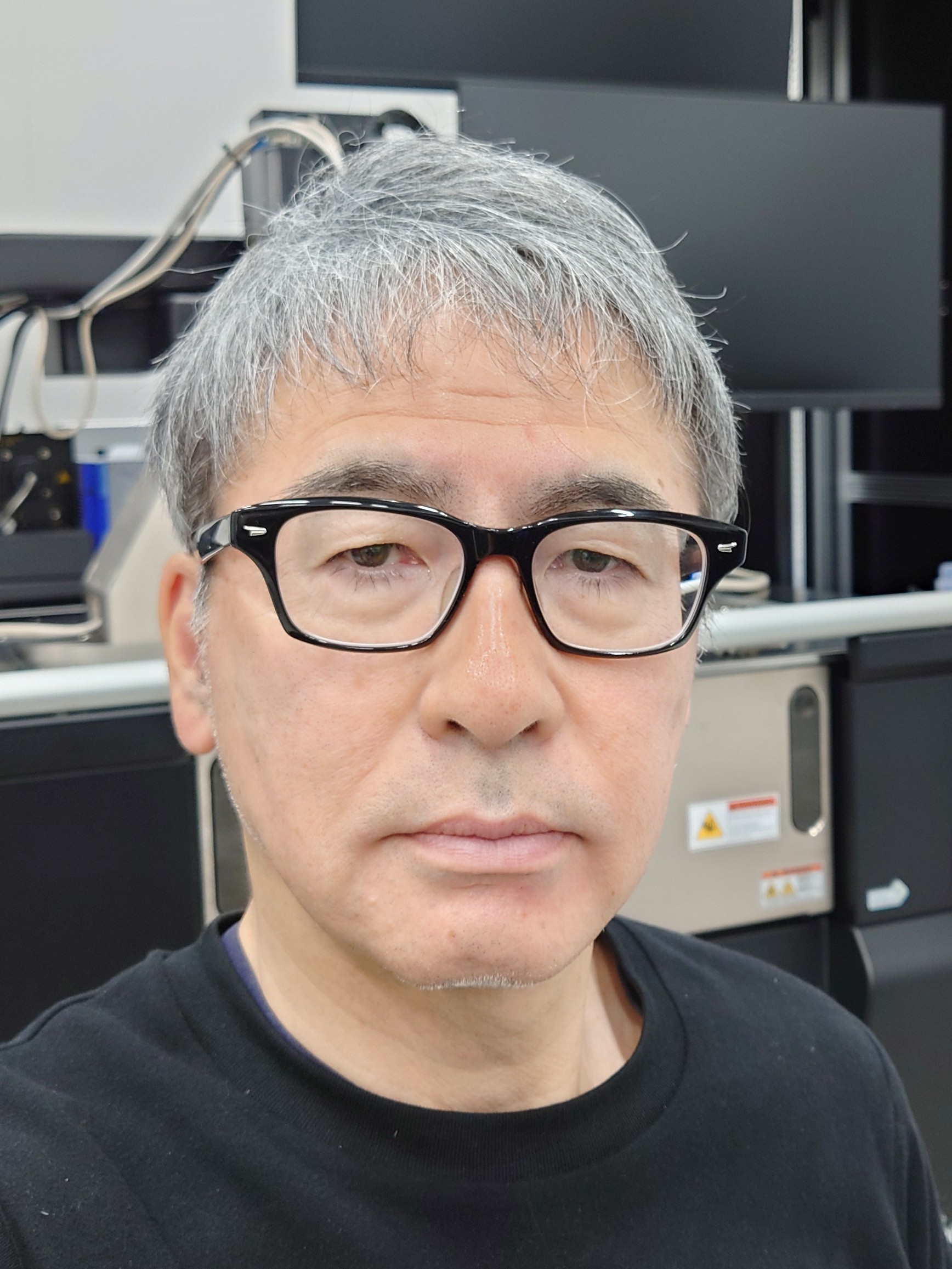 |
Invited Senior Researcher
Koji YAMADA |
Integrated photonic devices and photonic integrated circuits |
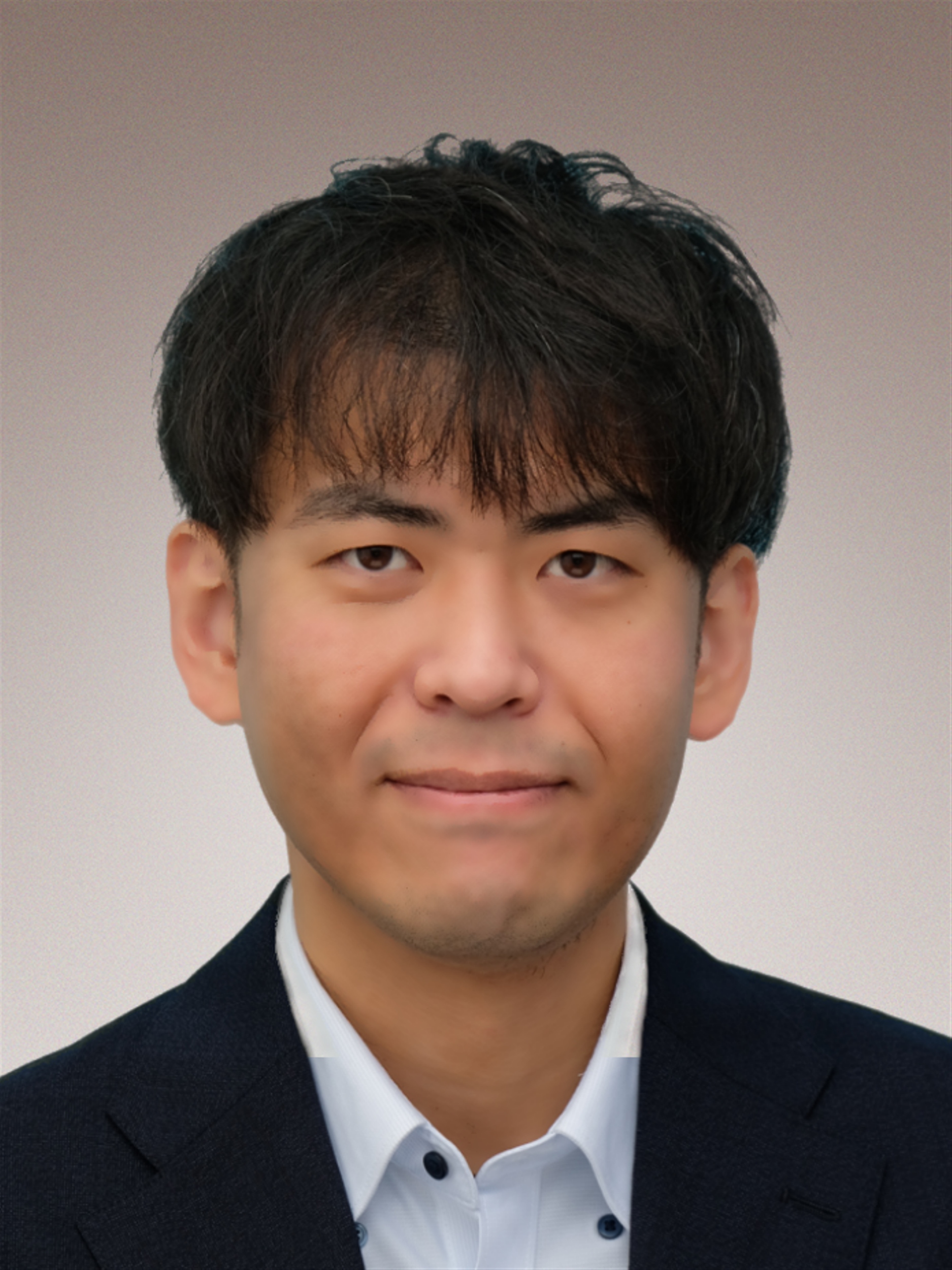 |
Senior Researcher
Takahiro KIKUCHI |
Fabrication of photon-number-resolving detectors, development of multiplexed readout technologies for large-scale multi-pixel systems, and applications of large-scale detector arrays |
 |
Senior Researcher
Tetsuya TSURUTA |
Development of photon-number-resolving detectors, establishment of high-accuracy performance characterization techniques, and creation of next-generation photonic detector devices |
 |
Researcher
Tomohiro ISHIKAWA |
Photonic integrated circuits, optical frequency comb sources, and squeezed-light sources based on thin-film lithium niobate (TFLN) |
 |
Researcher
Nao KOMINATO |
Photonic integrated circuits, optical frequency comb sources, and squeezed-light sources based on thin-film lithium niobate (TFLN) |
 |
Researcher
Kouki SHIROTA |
Development of superconducting TES-based ultra-low-Invasive bioimaging for few photon detection and high-speed signal processing technologies |
 |
Concurrent post
Nobu-Hisa KANEKO |
Leads quantum measurement and hardware evaluation; specializes in condensed‑matter standards and studies applications of Josephson and quantum Hall effects. |
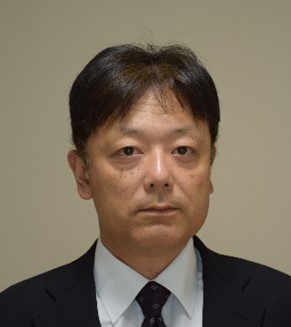 |
Concurrent post
Daiji FUKUDA |
Nonclassical light sources, quantum state generation, and superconducting TES-based quantum photodetection. |
 |
Concurrent post
Junya KURUMIDA |
tandardizationof quantum photonic technologies /Quantum optical networks |
 |
Concurrent post
Rai KOU-TAKAHASHI |
Approaches photonic and quantum technologies from materials and heterogeneous integration perspectives. Specializes in advanced packaging technologies by micro-transfer printing. |
|
Concurrent post
Ryotaro KONOIKE |
Photonic integrated circuits based on Silicon photonics, Optical switches, and Optical Computing devices. |
 |
Concurrent post
Daiki YAMASHITA |
Single-photon sources and machine learning using photonic integrated circuits |
|
Concurrent post
Masaki YUMOTO |
Mid-infrared tunable laser sources, nonlinear frequency conversion, and trace gas sensing. |
- Top page
- Organization
- Research Teams
- Quantum-AI Cloud Research Team
- Quantum Application Team
- Quantum Sensing Research Team
- Quantum Photonics Hardware Research Team
- Quantum Hardware Components R&D Team
- Quantume Hardware System Research Team
- Quantum Device Measurement Team
- Quantum Control Circuit Research Team
- Quantum Device Research Team
- News
- Events
- Job Opportunities
- Access
- Contact