Quantum Hardware Components R&D Team
Team Research Theme
Development of quantum hardware components for quantum computers and sensors
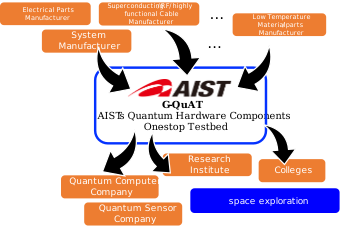
We establish a one-stop testbed for quantum hardware components at G-QuAT. Based on our national standards, hardware components, e.g., amplifiers, RF components, cables, semiconductor and superconductor circuits, optical components will be evaluated at appropriate conditions of temperature: 10 mK to 300 K (at specific temperature points or with temperature gradient). Various parameters to be evaluated include but not limited to S parameters at frequencies up to 67 GHz, and thermal and optical properties. The conditions will be set by the companies demands and evaluation results will be utilized by the companies to enhance their values and to accelerate their R&D. We are actively involved in collaborations with industry and academic partners.
Staff members (As of Sep. 1st, 2026)
| photo | position & name | field of expertise | and other info |
|---|---|---|---|
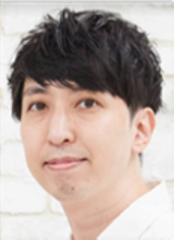 |
Team Leader, Shuji NAKAMURA |
Quantum Metrology Triangle experiment ; Quantum current standard with single electron device ; Circuit QED experiment with defect centers ; Circuit QED experiment with SIN junction | |
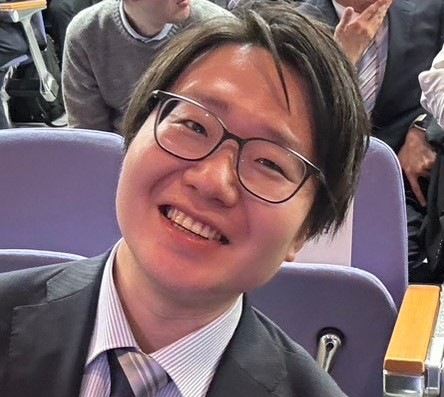 |
Senior Researcher, Junta IGARASHI |
Nanofabrication; Characterization of spintronics device (magnetic tunnel junction); Characterization of magnetic thin film using optical method. At G-QuAT, he has been working on evaluation of microwave components and materials at cryogenic temperatures. | Detail |
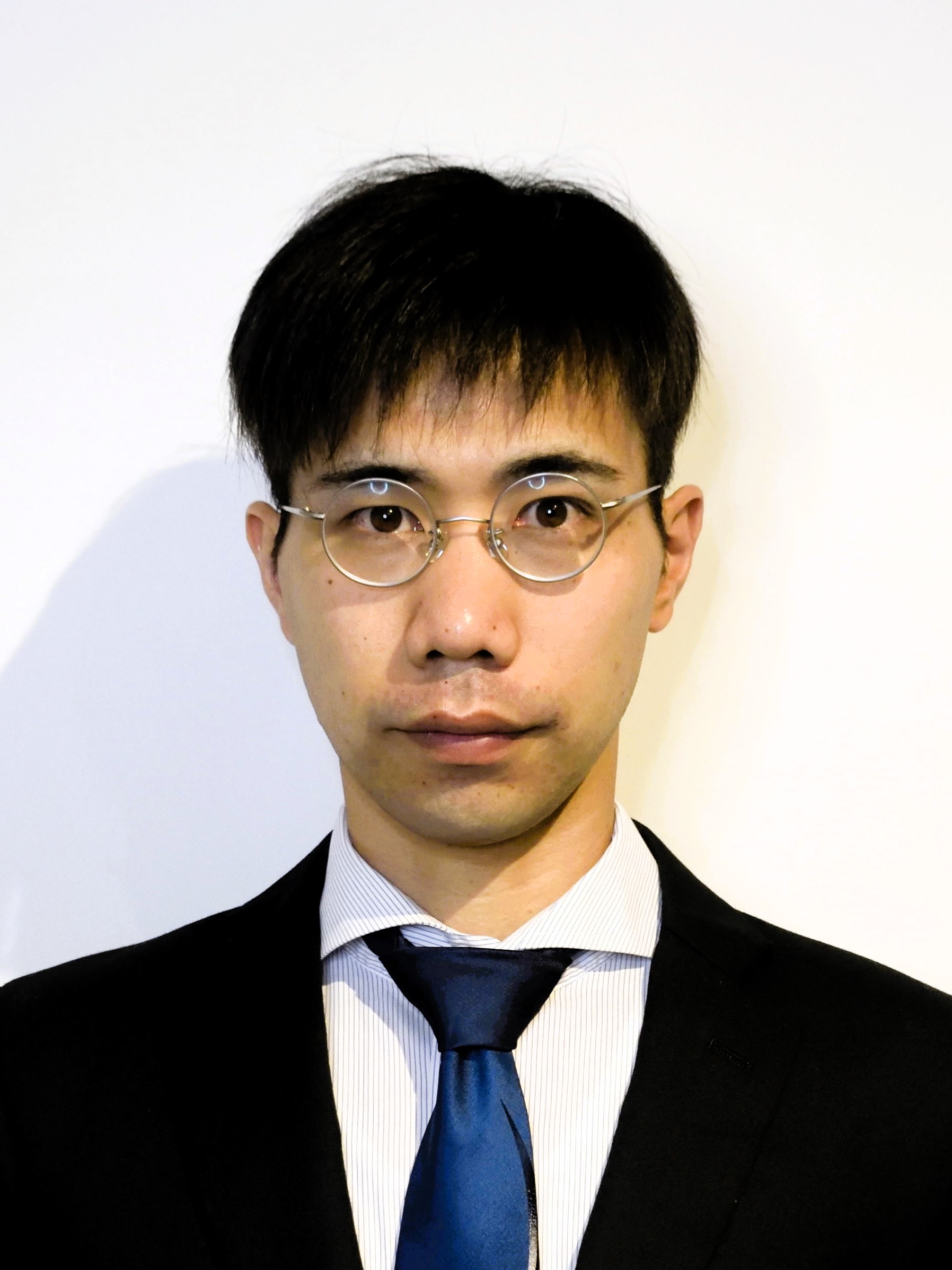 |
Senior Researcher, Shota NORIMOTO |
Single-electron operation using semiconductor device and application. Shota, especially, worked on development of current standard derived from elementary charge e and frequency f. He is assigned to electrical and thermal transport | |
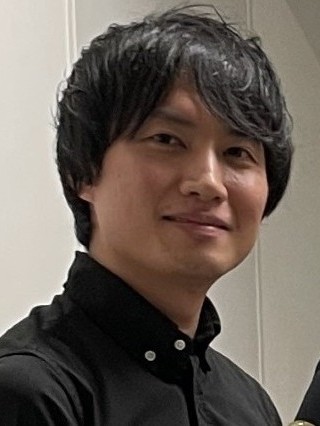 |
Researcher, Motoya SHINOZAKI |
Condensed matter physics, quantum devices, and spintronics. | Detail |
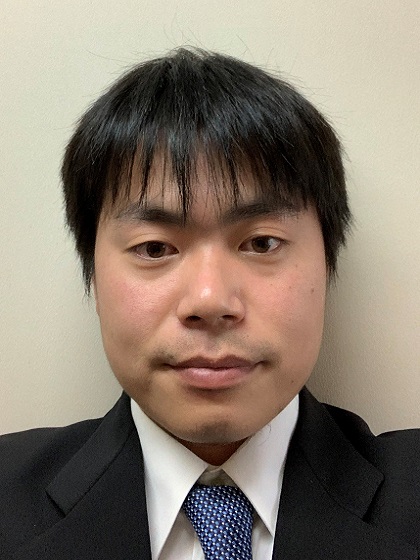 |
Concurrent post, Tomonori ARAKAWA |
Condensed matter physics and its applications based on the development of original measurement techniques. He is particularly specialized in low-temperature and high-frequency technologies, and conducts research on two-dimensional electronic, magnetic, and dielectric materials. At G-QuAT, he has been working on the evaluation of high-frequency components and materials. | |
 |
Concurrent post, Nobu-Hisa KANEKO |
Material science/physics and its applications to quantum standards and sensors. His interests include but not limited to research of macroscopic quantum effects e.g., the Josephson effect, the quantum Hall effect, and the single electron tunneling effect and their applications. At G-QuAT, he has been working on quantum measurements and sensing and evaluation of quantum hardware components. | |
 |
Concurrent post, Haruka ABE |
Thermophysical property measurements. | |
|
Concurrent post, Ryo ITO |
||
|
Concurrent post, Yuma OKAZAKI |
||
|
Concurrent post, Hiroyuki KAYANO |
||
|
Concurrent post, Yuto KATO |
||
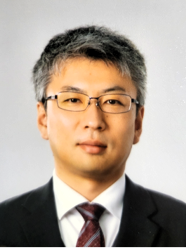 |
Concurrent post, Seitaro KON |
Research on measurement technologies using microwaves and millimeter waves, and their sensor applications. | |
|
Concurrent post, Yuichiro YAMASHITA |
Thermophysical property measurements in nanoscale and computer science. His research focuses on thermal conductivity characterization of thin films, high-throughput thermal measurement techniques, and data-driven analysis using machine learning. | |
|
Concurrent post, Daiki MATSUMARU |
||
|
Concurrent post, Kan UEJI |
||
|
Concurrent post, Kenjiro OKAWA |
||
|
Concurrent post, Takashi YAGI |
Thermophysical property measurements.His research focuses on heat transfer, thermal conductivity and diffusivity measurements, and the development of thermophysical measurement methods. |
- Top page
- Organization
- Research Teams
- Quantum-AI Cloud Research Team
- Quantum Application Team
- Quantum Sensing Research Team
- Quantum Photonics Hardware Research Team
- Quantum Hardware Components R&D Team
- Quantume Hardware System Research Team
- Quantum Device Measurement Team
- Quantum Control Circuit Research Team
- Quantum Device Research Team
- News
- Events
- Job Opportunities
- Access
- Contact