
Specialized equipment
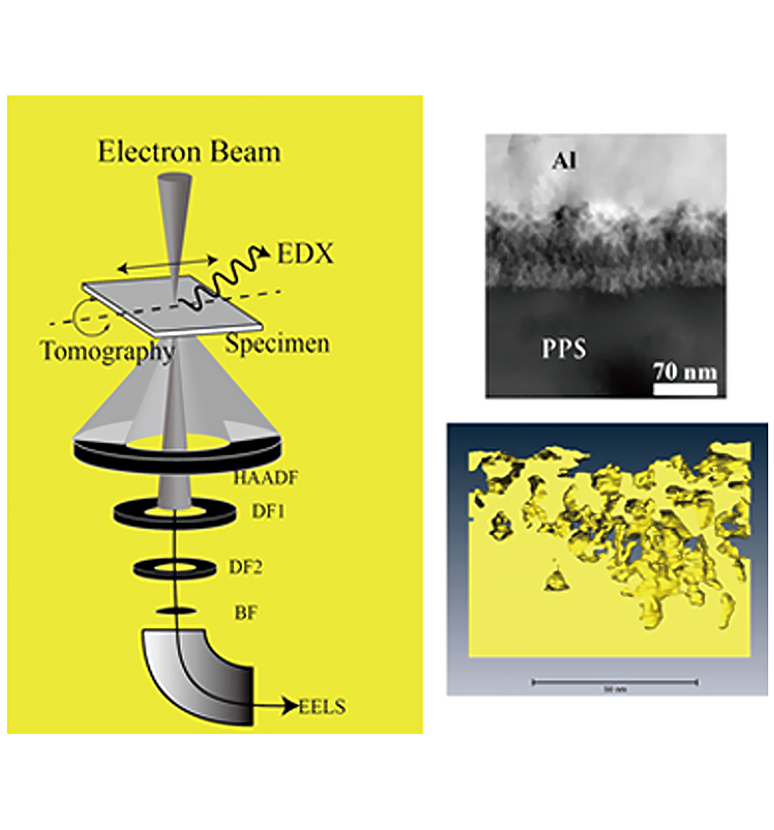
This laboratory uses STEM equipment to observe interface microstructures and elemental distributions with high precision.
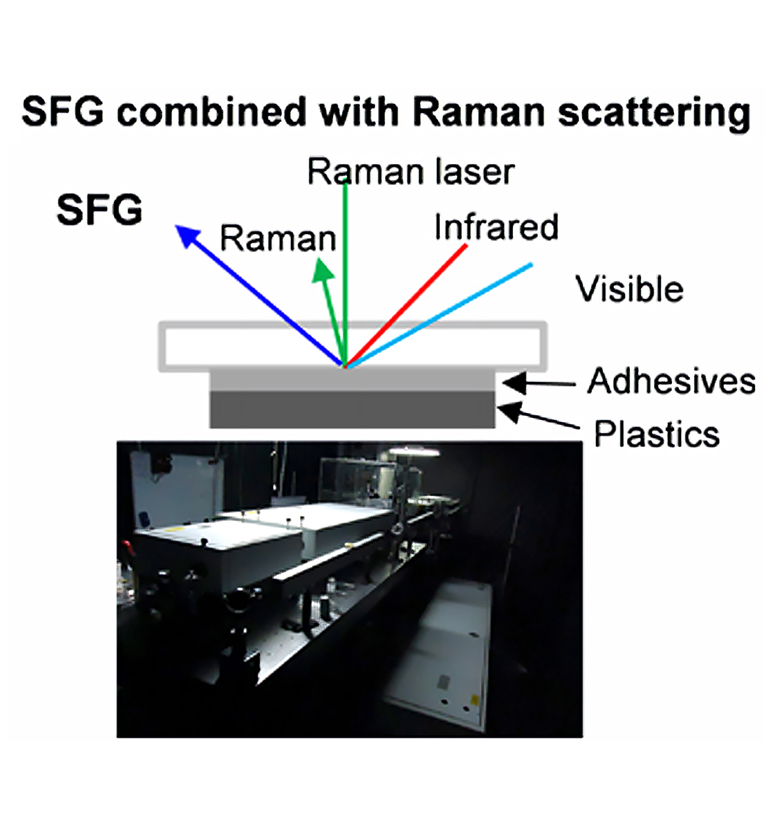
The sum-frequency generation (SFG) instrument non-destructively measures the orientation of interface molecules, enabling molecular-level analysis of adhesion reactions.
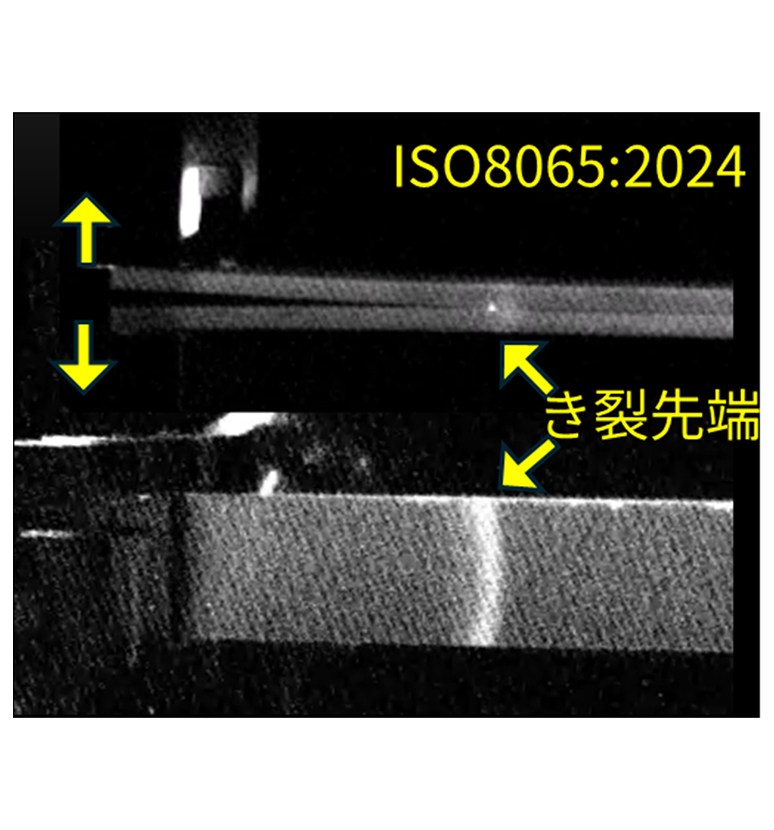
Stress-induced luminescence technology visualizes dynamic strain distributions and is internationally standardized.
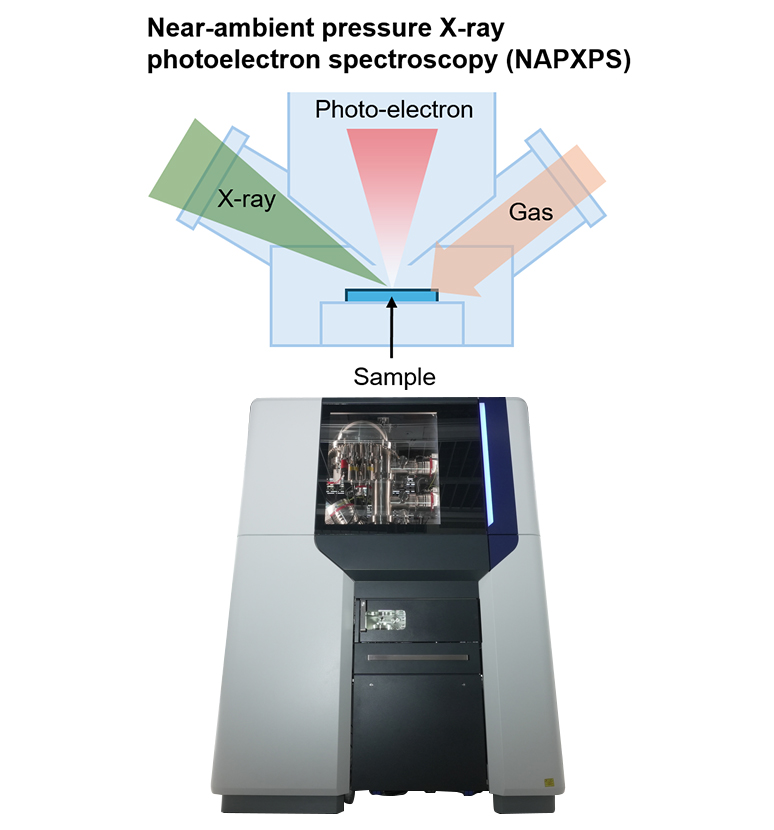
The Near-Atmospheric Pressure X-ray Photoelectron Spectroscopy (NAPXPS) system enables XPS measurements of solid surfaces undergoing chemical state changes in real environments and of liquid samples.
Translated with DeepL.com (free version)
STEM device
The STEM device is a high-resolution electron microscope capable of analyzing the internal structure and composition of materials at the nanometer scale. Through scanning transmission observation, it enables detailed visualization of atomic arrangements, precipitates, and defect structures within bonding interfaces and thin-film materials. Combined with energy-dispersive X-ray spectroscopy (EDS), it quantitatively evaluates elemental distribution, aiding in elucidating interface reactions and material degradation mechanisms.
- POINT01
- Observation of fine structures at the atomic level
- POINT02
- Analyze element distribution at high resolution
- POINT03
- Detailed understanding of defects and precipitates
- POINT04
- Utilization for elucidating the mechanisms of interfacial reactions
Harmonic and Frequency Analysis (SRG) Device
Sum Frequency Generation (SFG) spectroscopy is a highly sensitive optical technique that enables non-destructive observation of molecular orientation and chemical structure specific to solid surfaces and interfaces. It analyzes sum frequency signals obtained by simultaneously irradiating infrared and visible light to detect the arrangement state of surface molecules and changes in functional groups. This technique allows for molecular-level understanding of the initial stages of adhesion and interfacial reactions.
- POINT01
- Non-destructive observation of surface molecular orientation
- POINT02
- High-sensitivity detection of functional group changes
- POINT03
- Understanding interfacial chemical reactions at the molecular level
- POINT04
- Ideal for thin film and adhesive interface evaluation
Stress-induced luminescence technology
Stress luminescence is a technology that visualizes dynamic strain distribution by applying special coatings or sheets. This enables the detection of fracture initiation points and bonding defects. It also allows for accurate crack tracking in DCB and DNF tests used to determine fracture toughness (G1c, C2c). Its international standardization has led to its adoption worldwide.
- POINT01
- Visualization of dynamic strain distribution
- POINT02
- Effective for detecting points of failure, poor adhesion, etc.
- POINT03
- Proven track record in simulation enhancement
- POINT04
- Enabling automated crack propagation tracking
Near-Atmospheric Pressure X-ray Photoelectron Spectroscopy (NAPXPS) System
Near-ambient pressure X-ray photoelectron spectroscopy (NAPXPS) equipment enables XPS measurements on sample surfaces under near-ambient pressure conditions, which cannot be achieved with conventional XPS systems. By irradiating the sample surface with X-rays and detecting the emitted photoelectrons with a detector, the chemical states of each element can be investigated. The capability to perform XPS measurements at near-ambient pressure enables the study of chemical state changes occurring on solid surfaces in real-world environments and allows XPS measurements on liquid samples.
- POINT01
- Elemental composition and chemical state can be determined
- POINT02
- Gas atmosphere in-situ observation is possible
- POINT03
- Suitable for liquid and wet environments
- POINT04
- Real-time observation of chemical reactions on surfaces
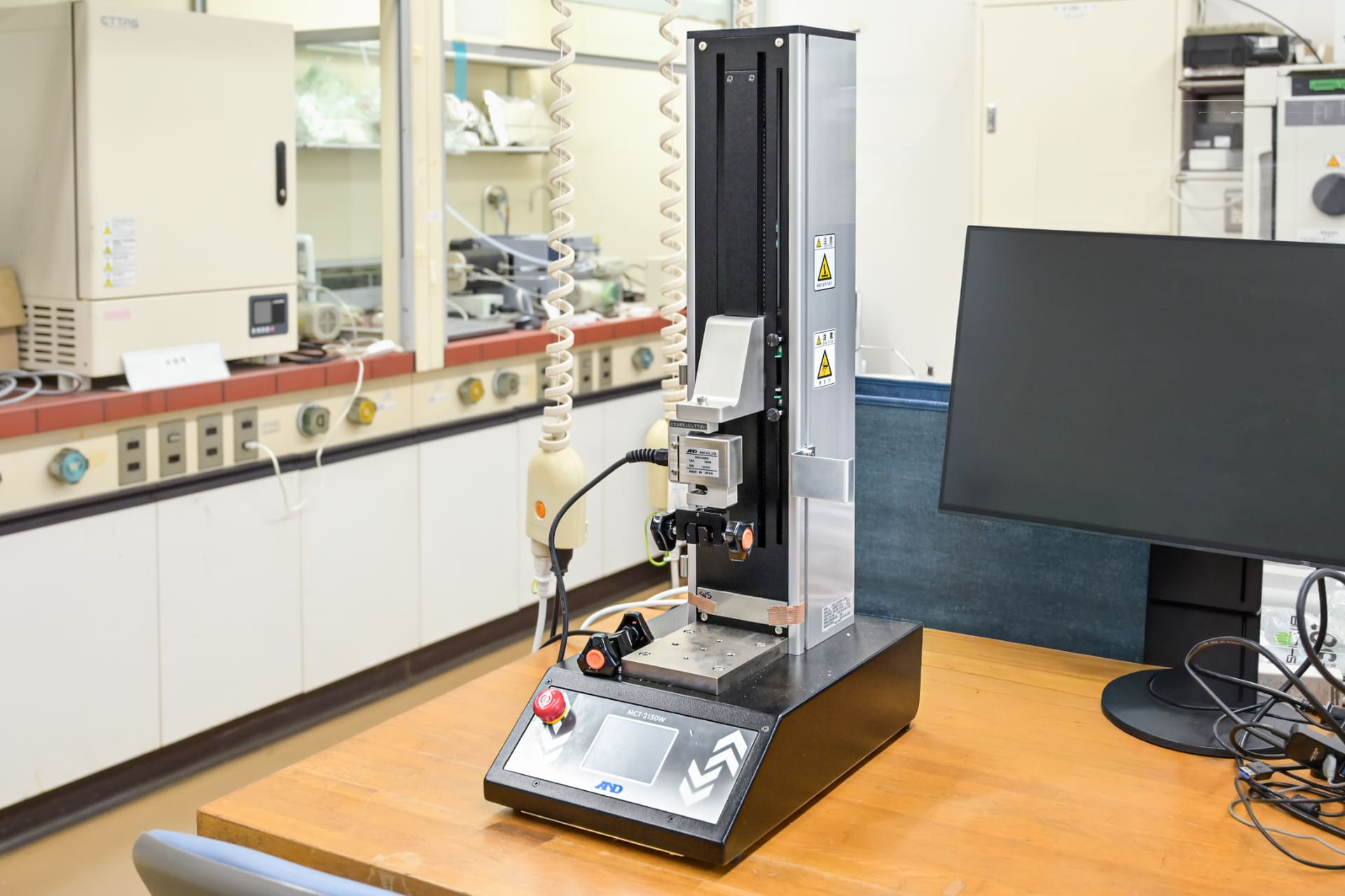 Benchtop Tensile/Compression Testing Machine (Force Tester)
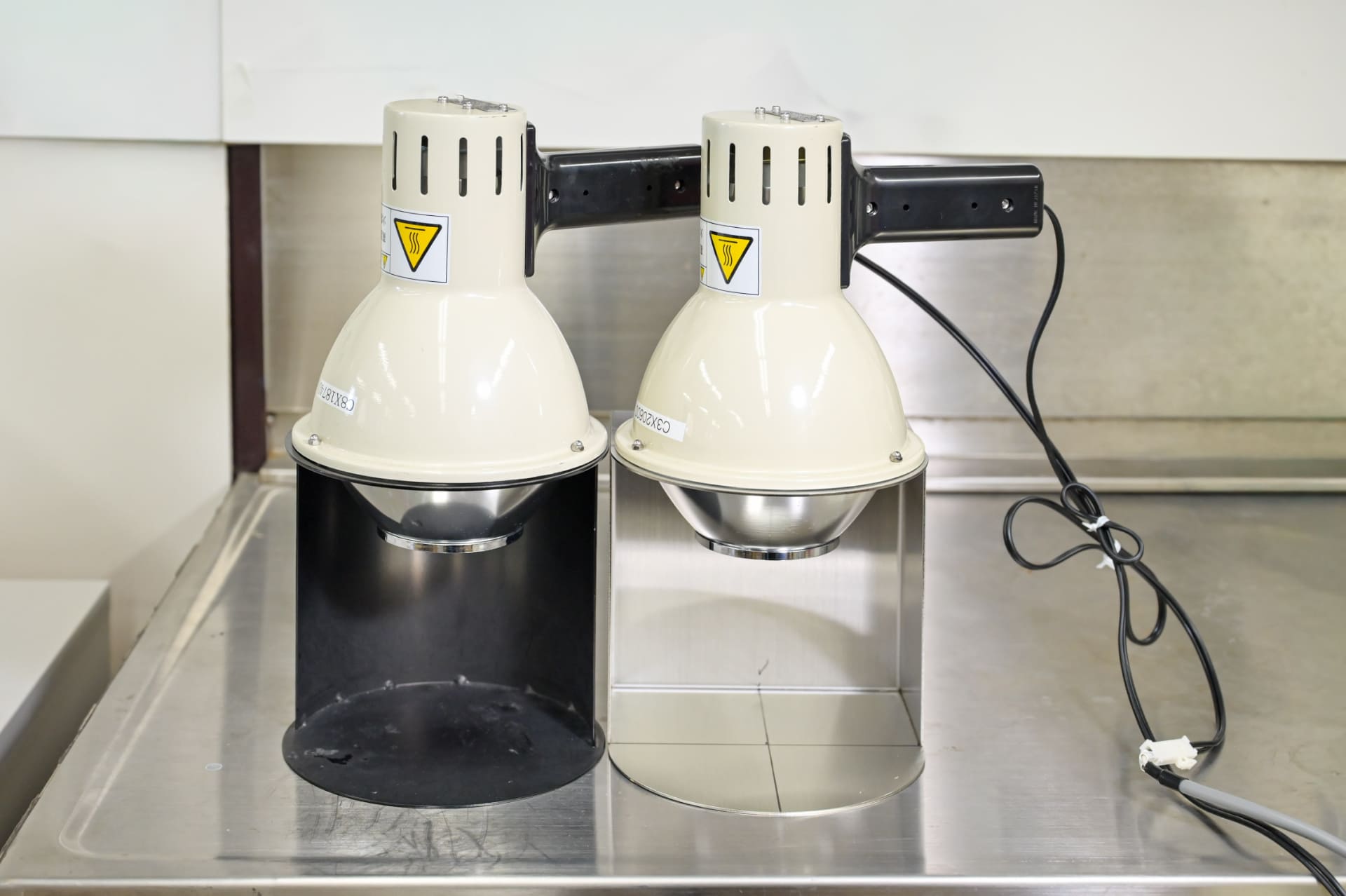 UV irradiator
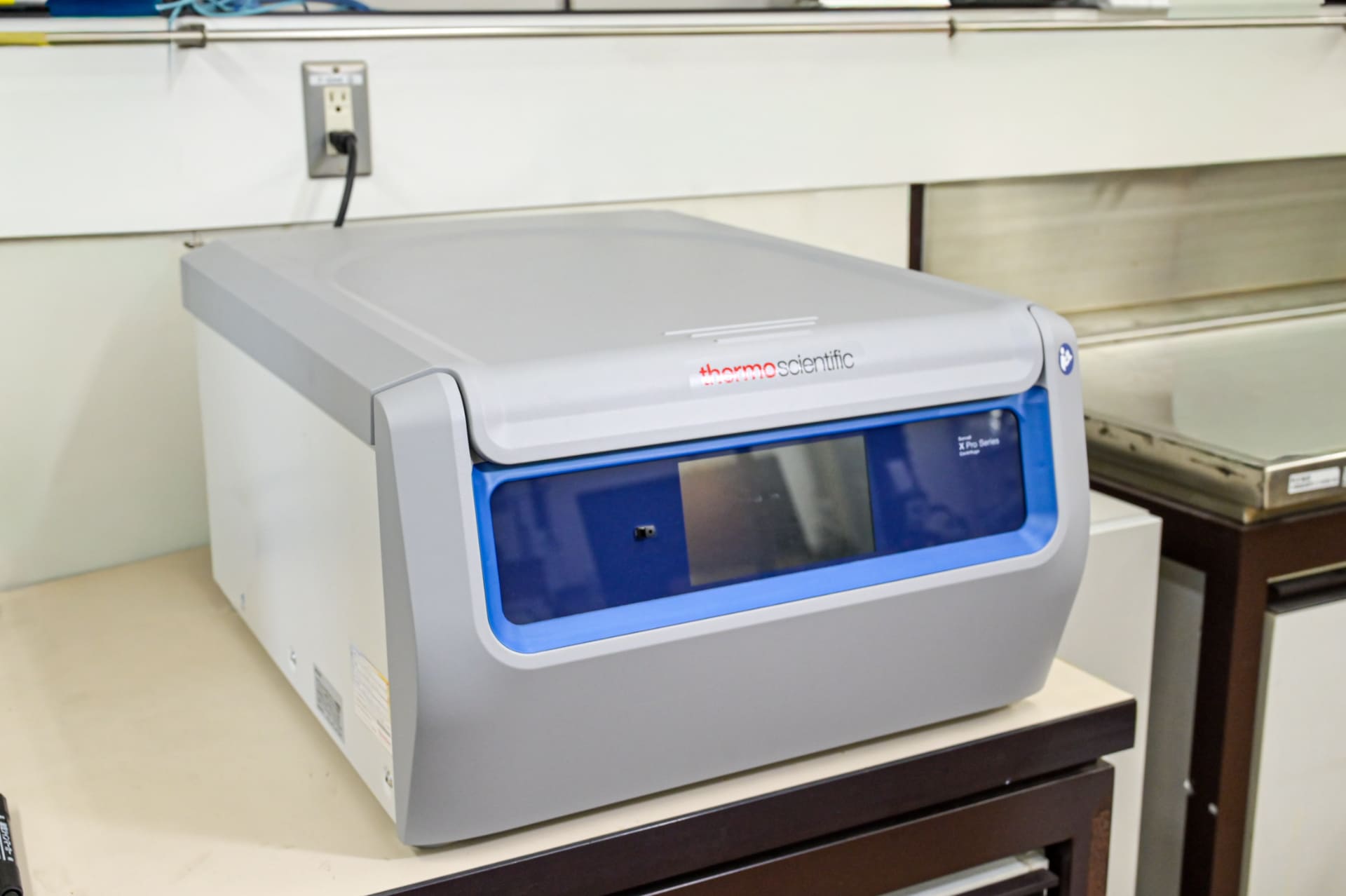 Ultracentrifuge
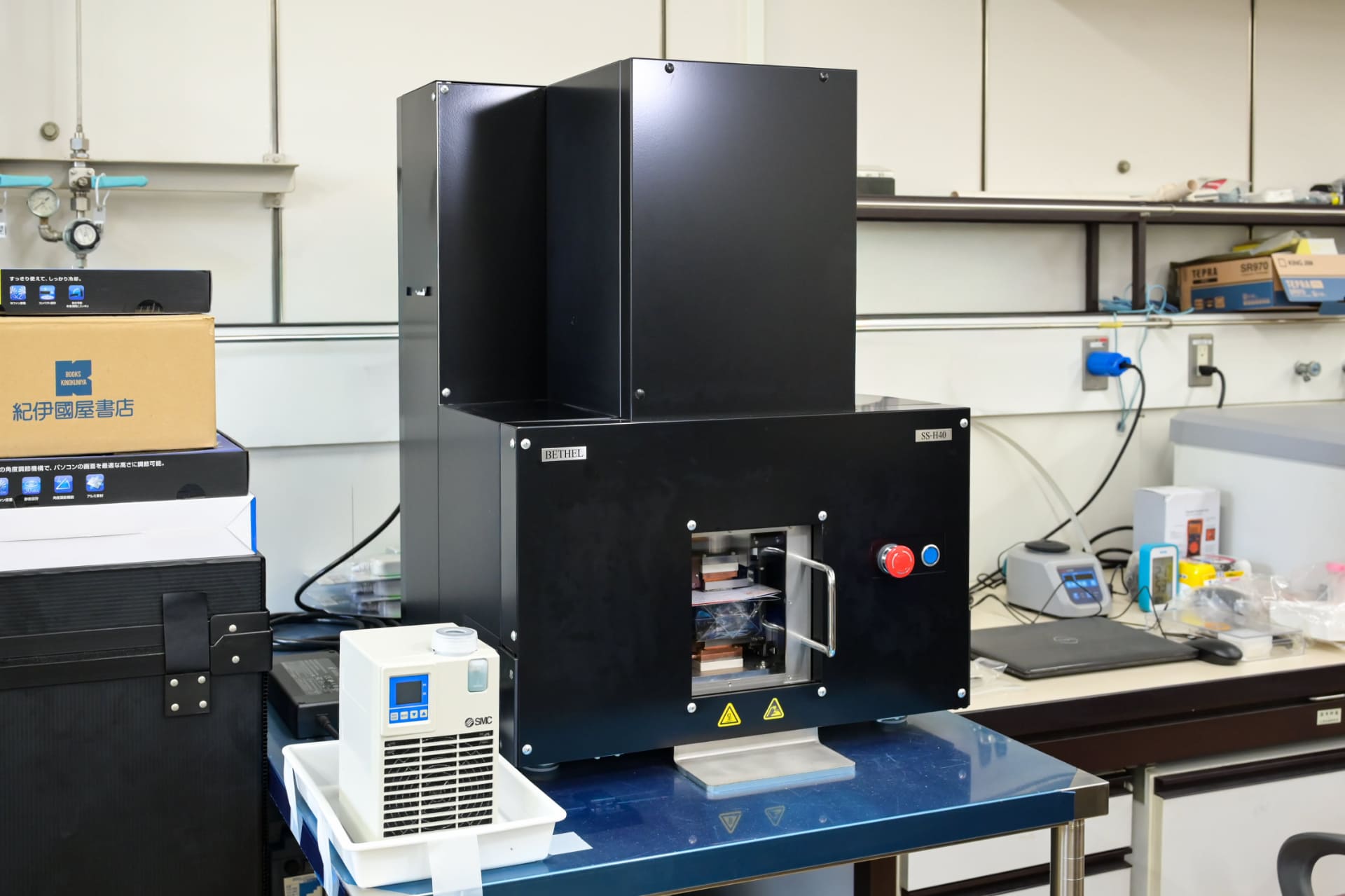 Steady-State Thermal Conductivity Measurement SS-H40 Device
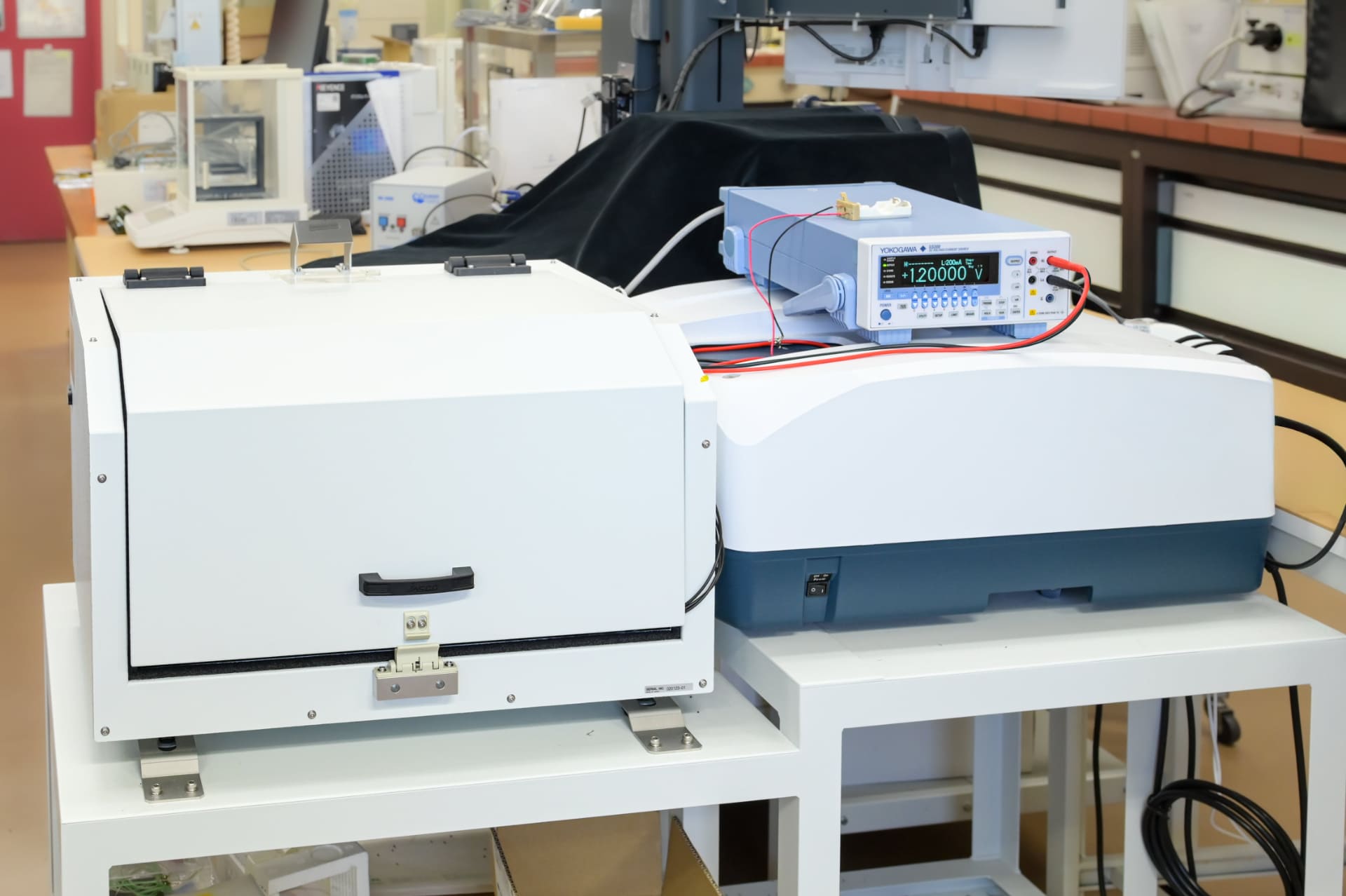 Ultraviolet-Visible-Near Infrared Spectrophotometer
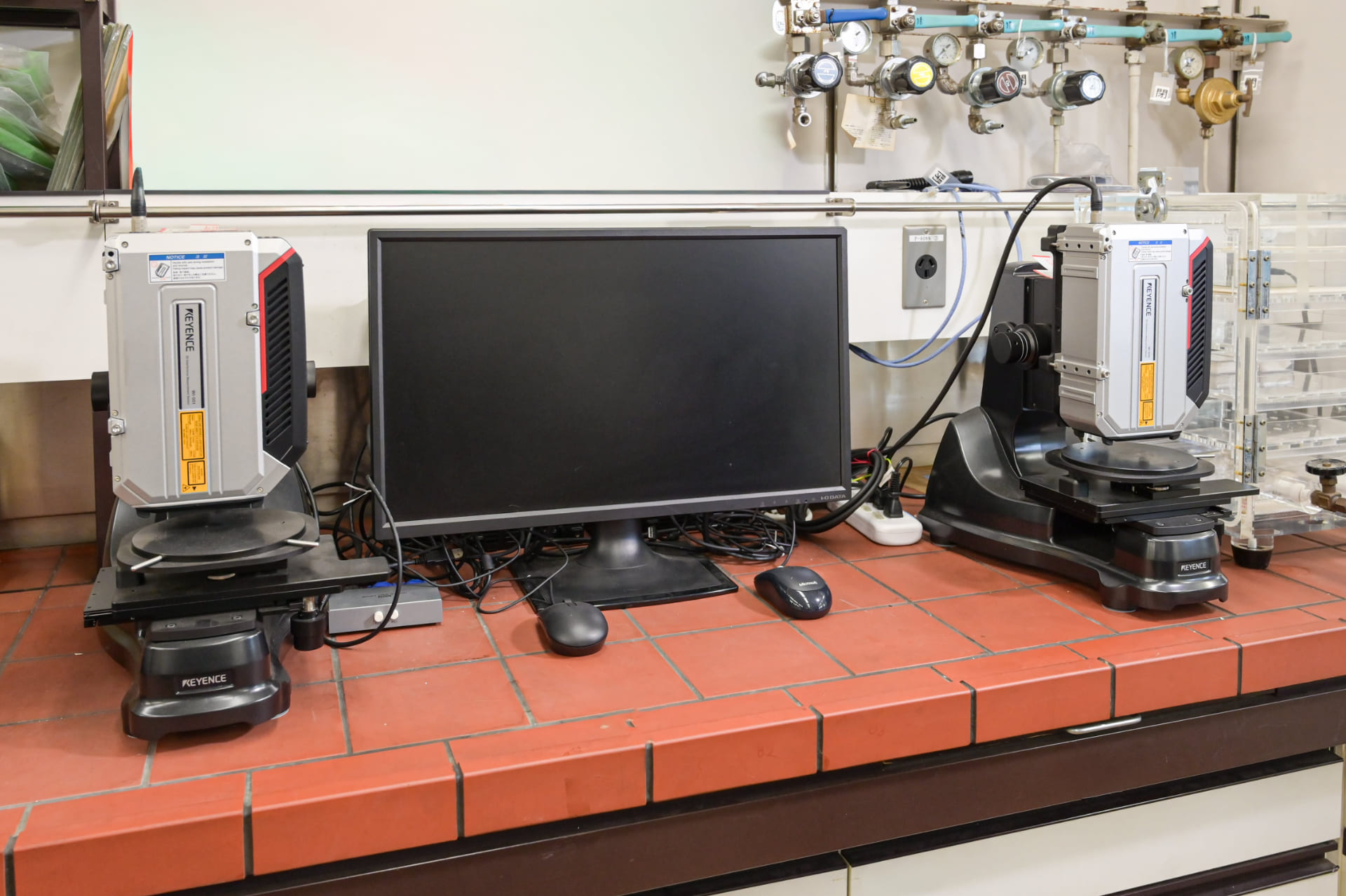 White-Light Interferometric Laser Displacement Sensor
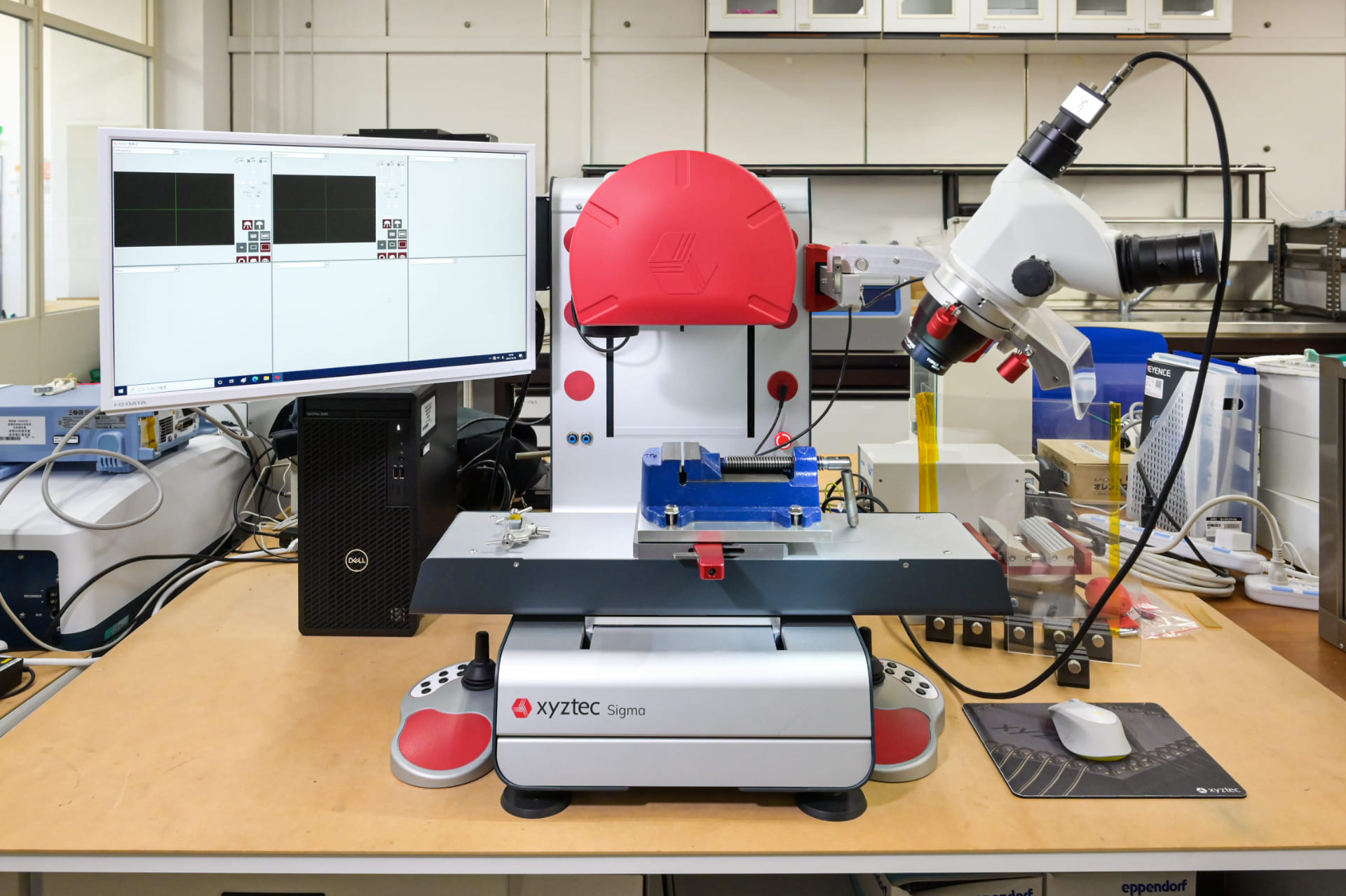 Bond Tester
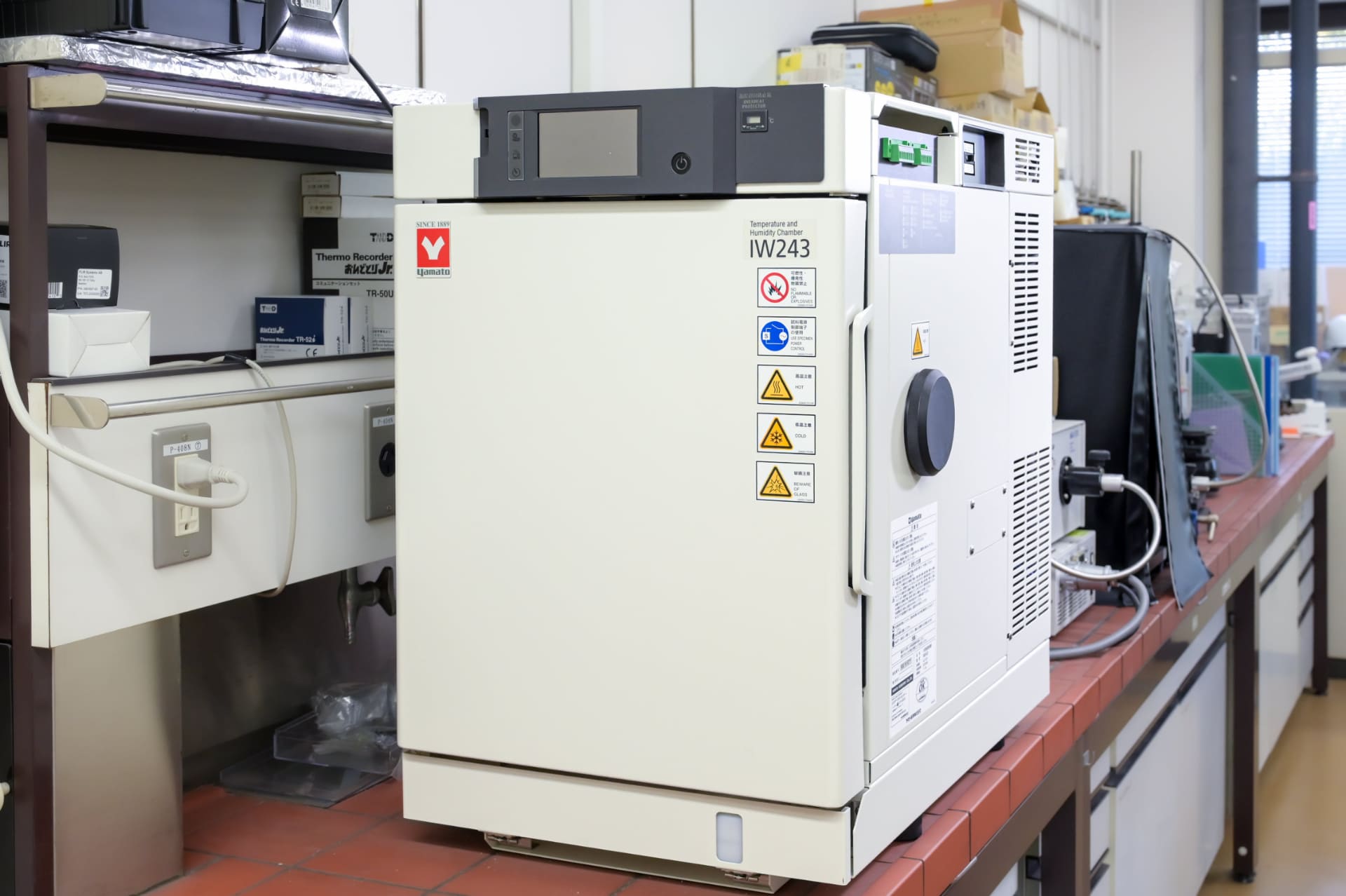 Environmental Test Chamber
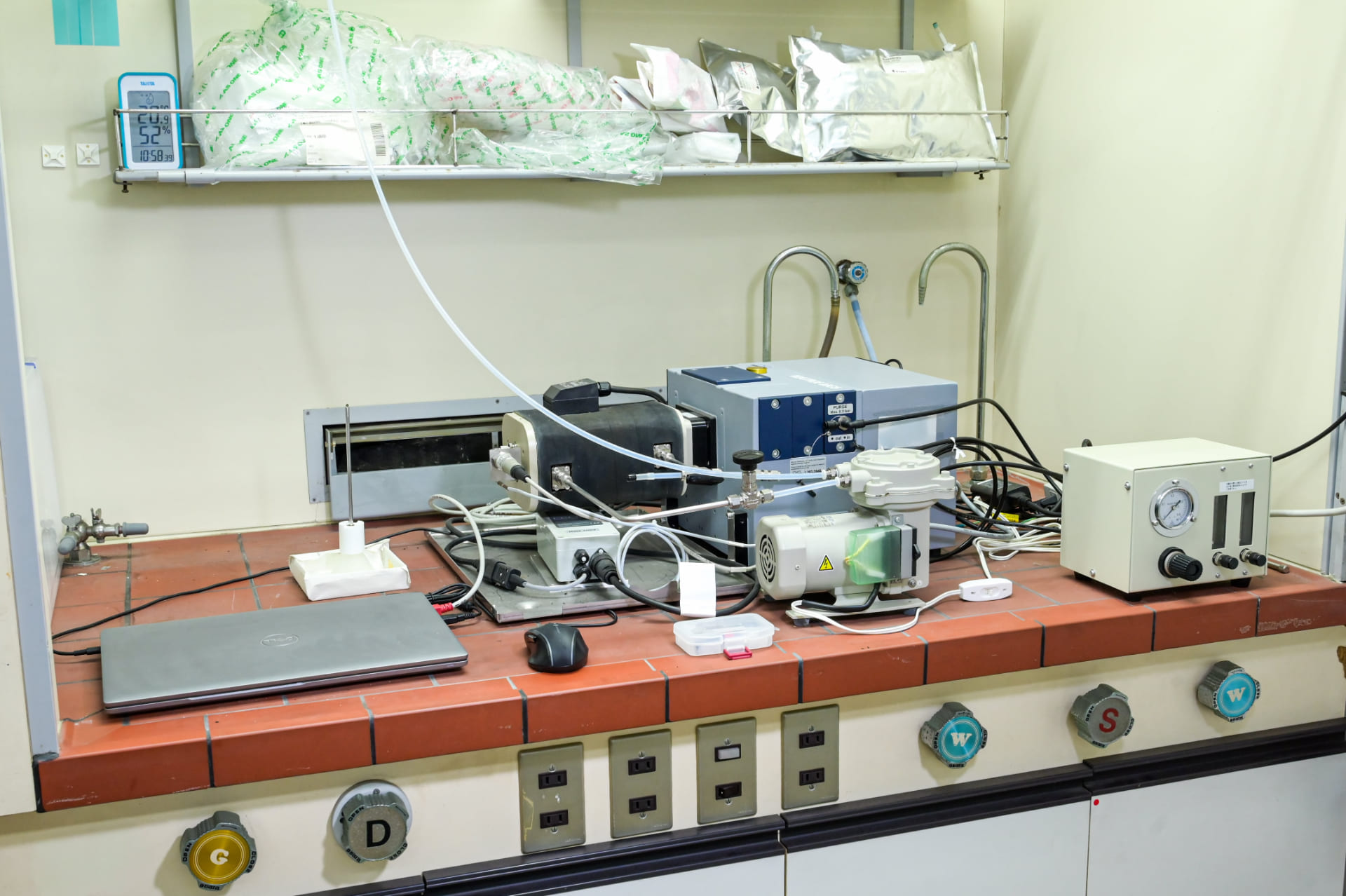 High-Performance Automatic Gas Analysis FT-IR MATRIX-HG5
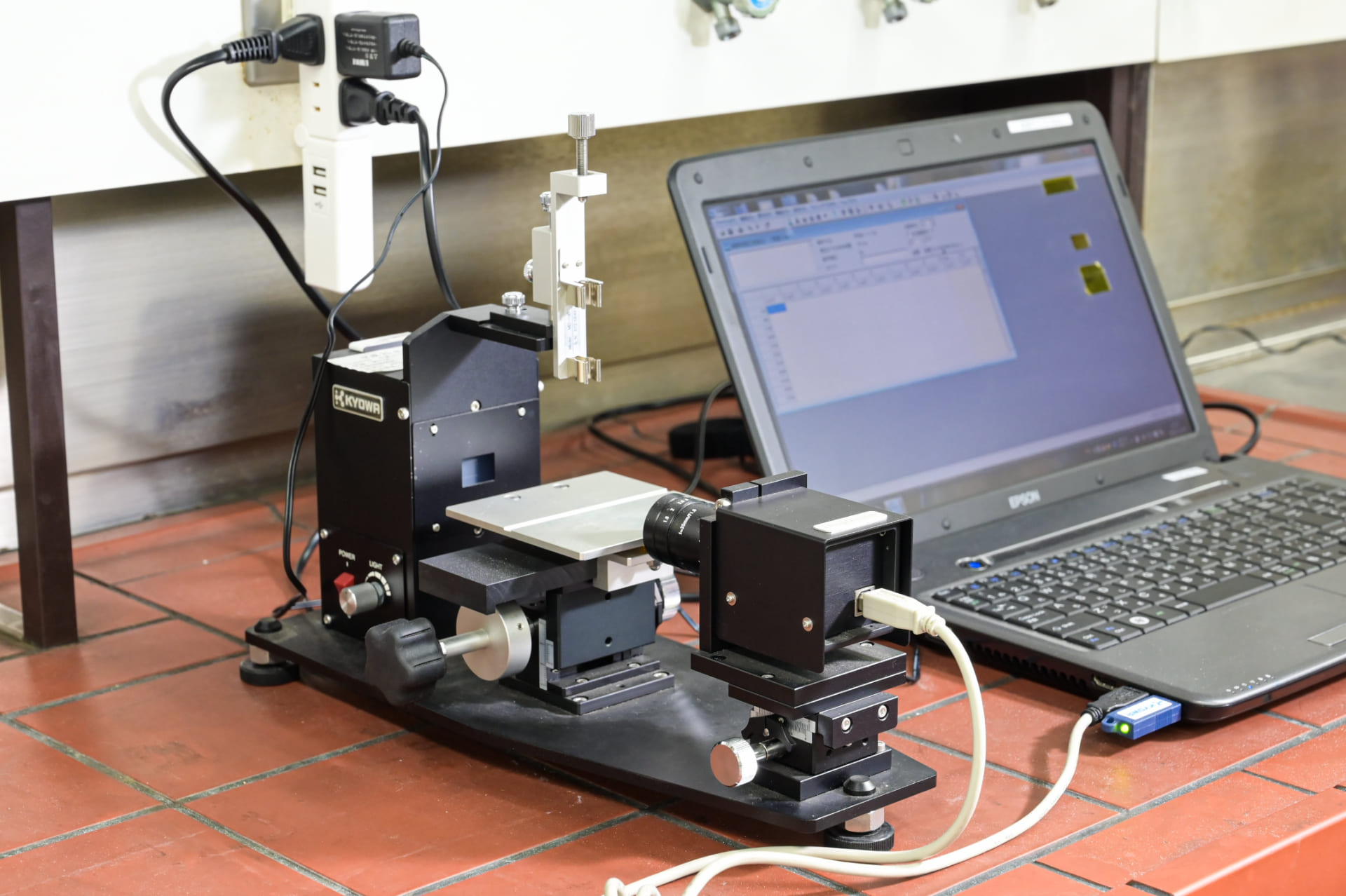 Automatic Contact Angle Meter
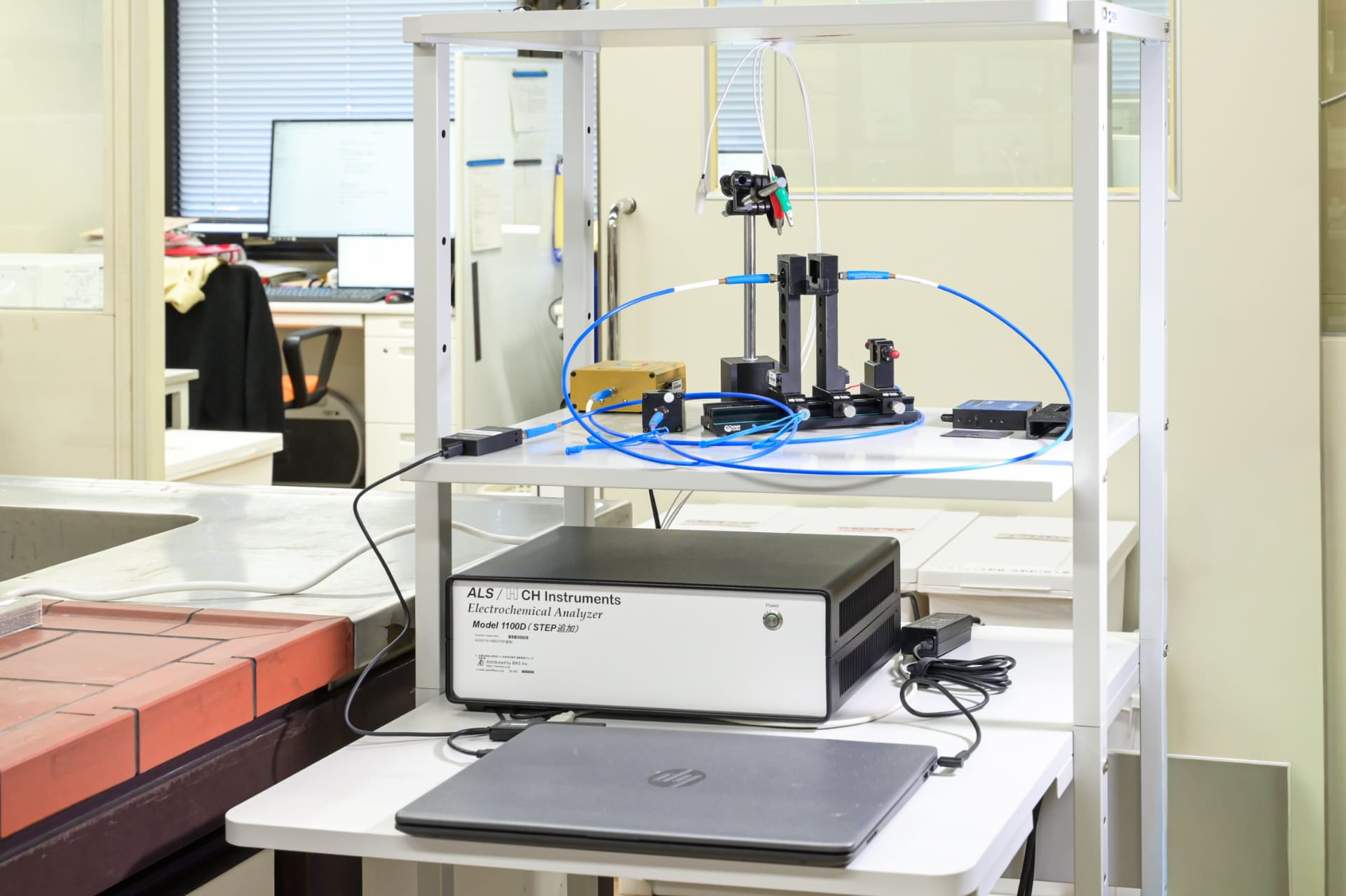 Optical Properties + Electrochemical Measurement Device
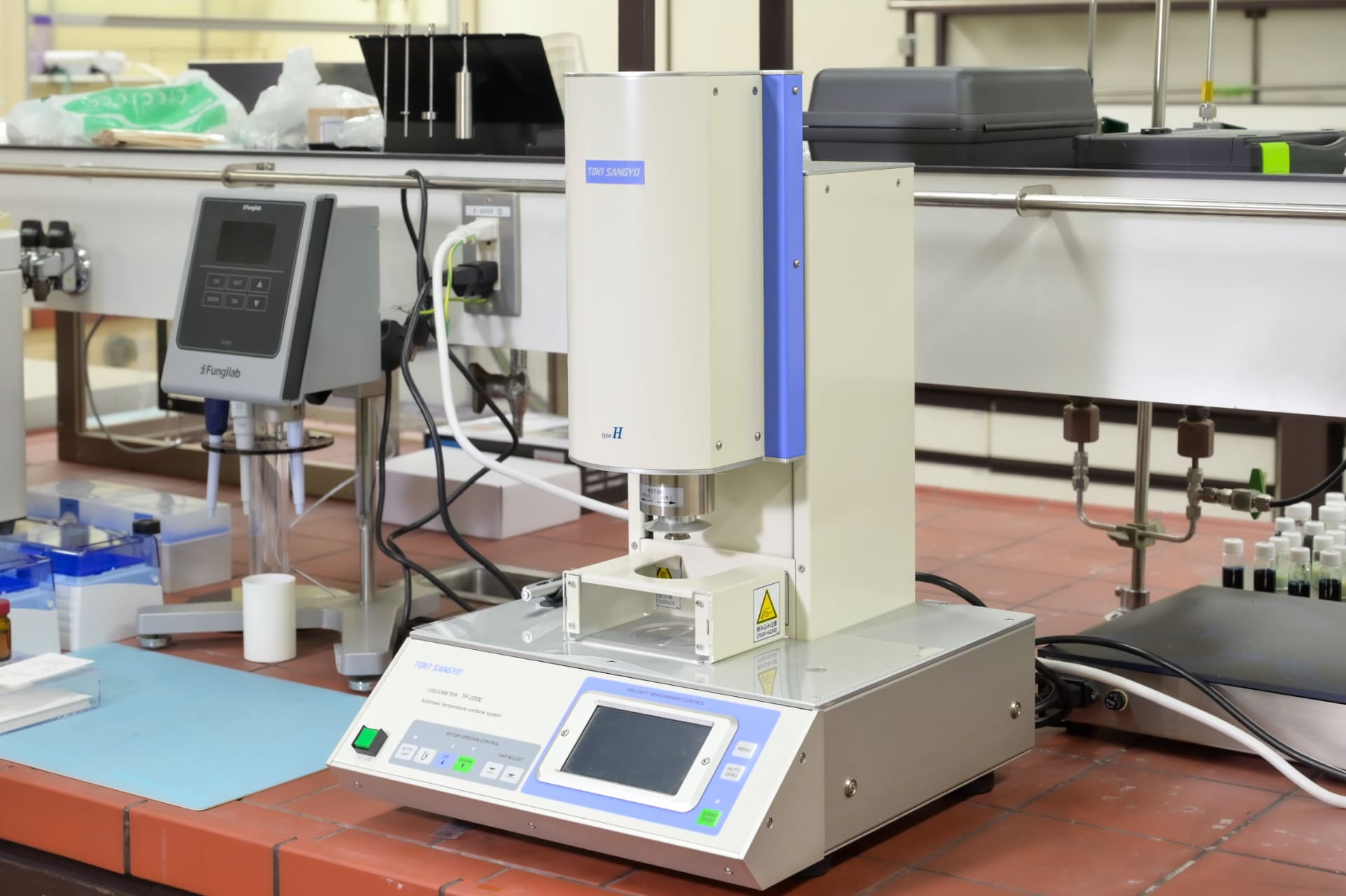 Type E Viscometer (Cone Plate)
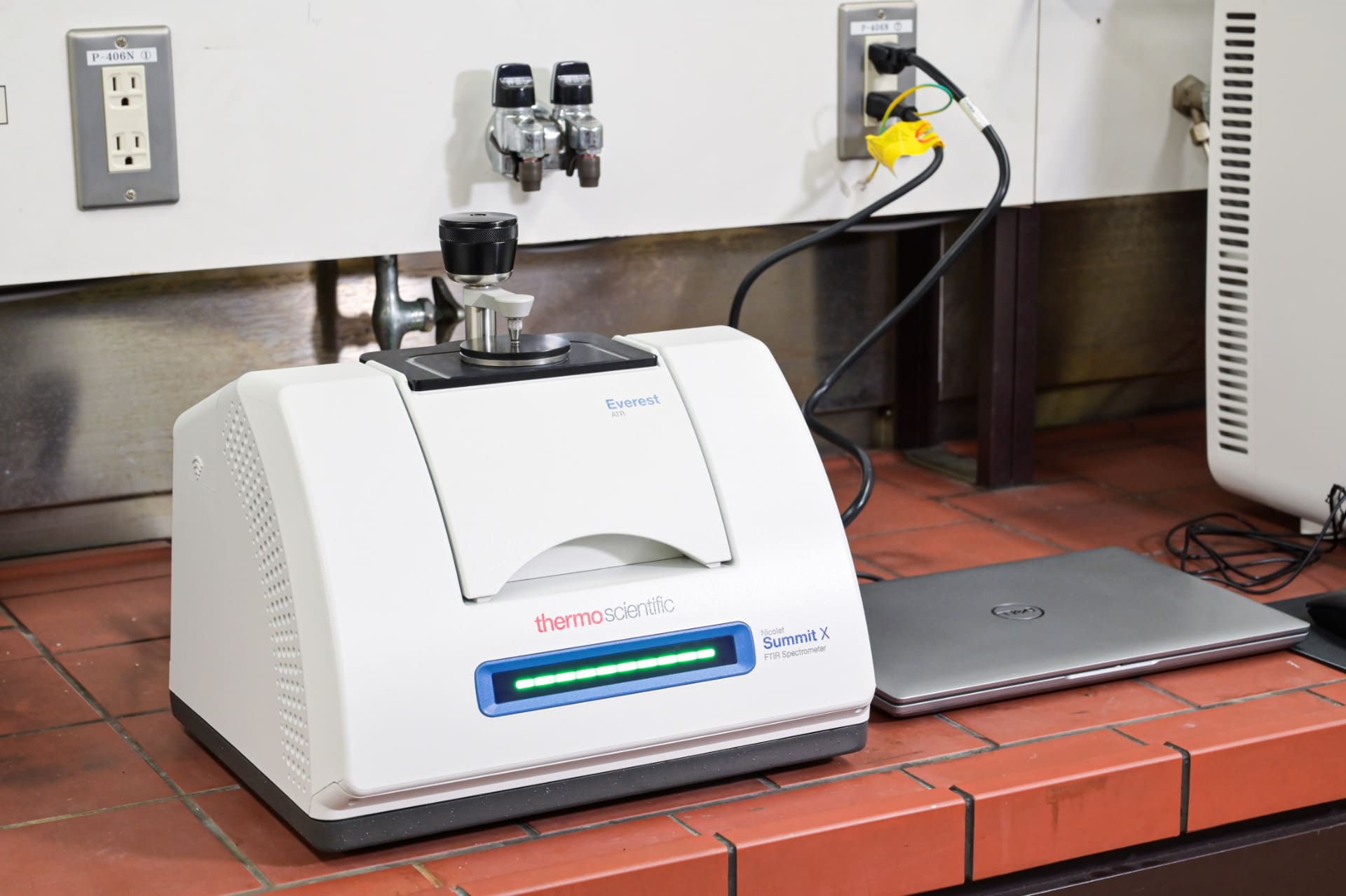 Fourier Transform Infrared Spectrometer (FT-IR)
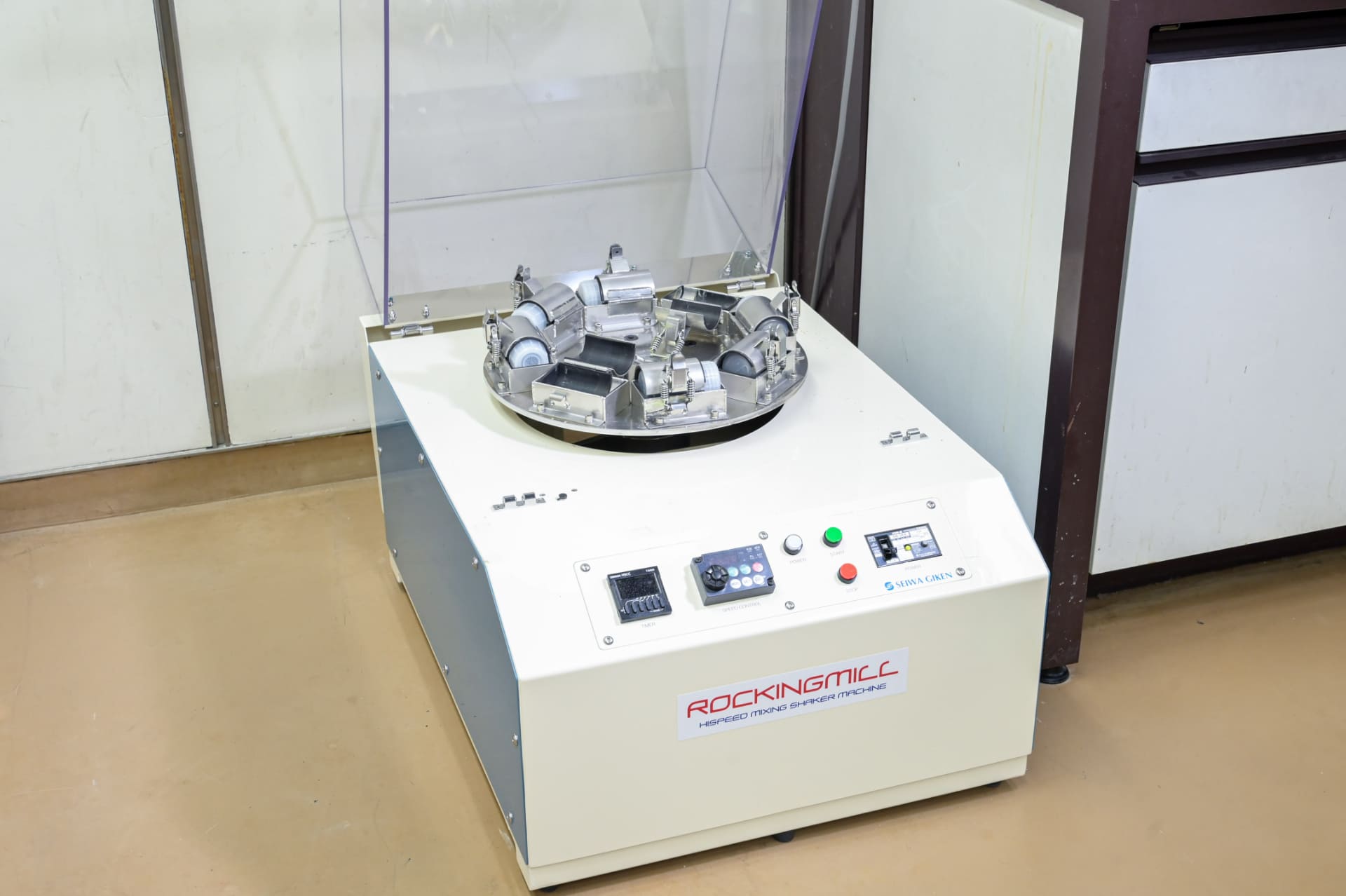 Rocking Mill
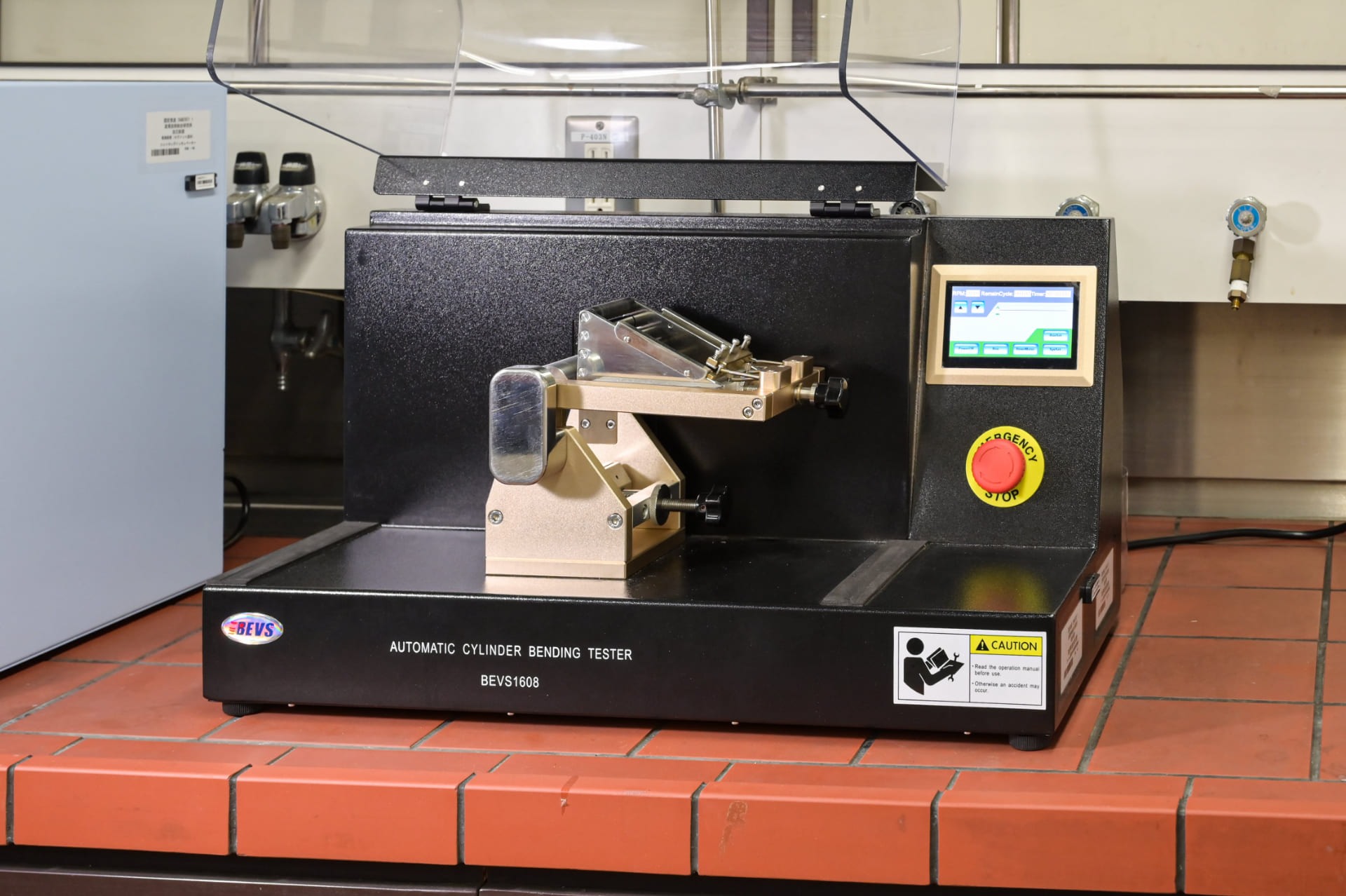 Automatic Cylindrical Mandrel Bending Tester
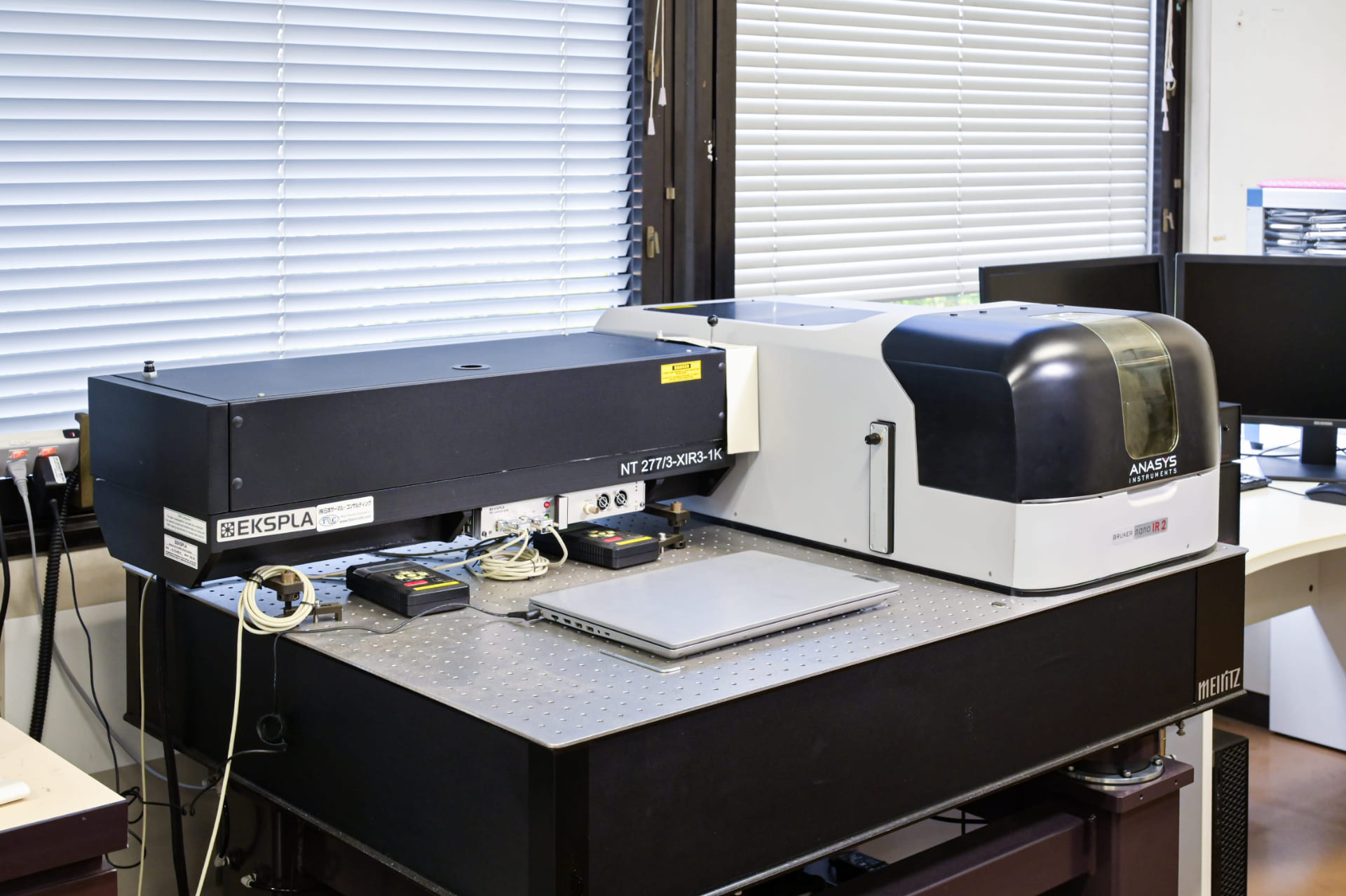 AFM Infrared Spectroscopy System
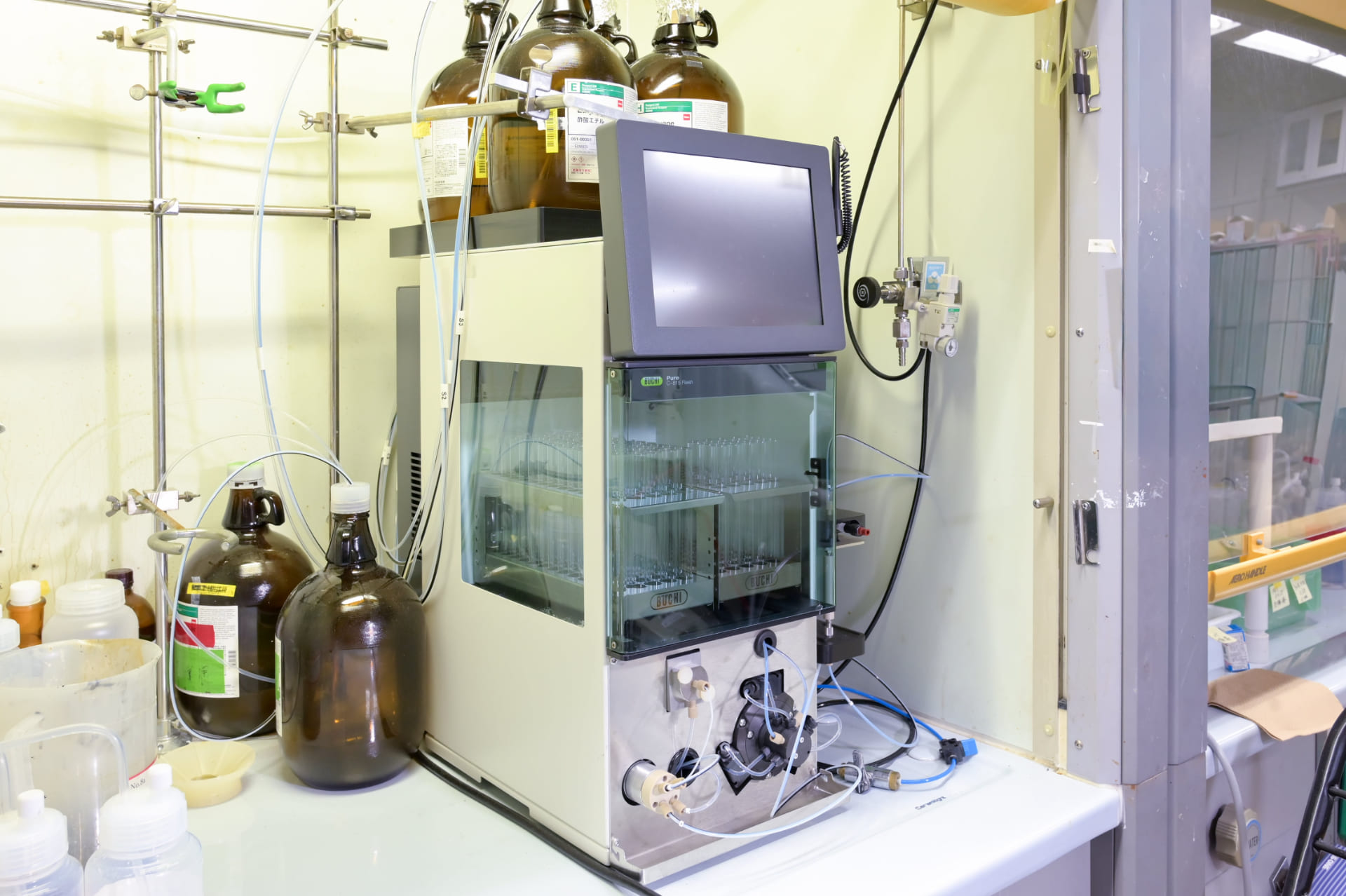 Fractional Chromatography System
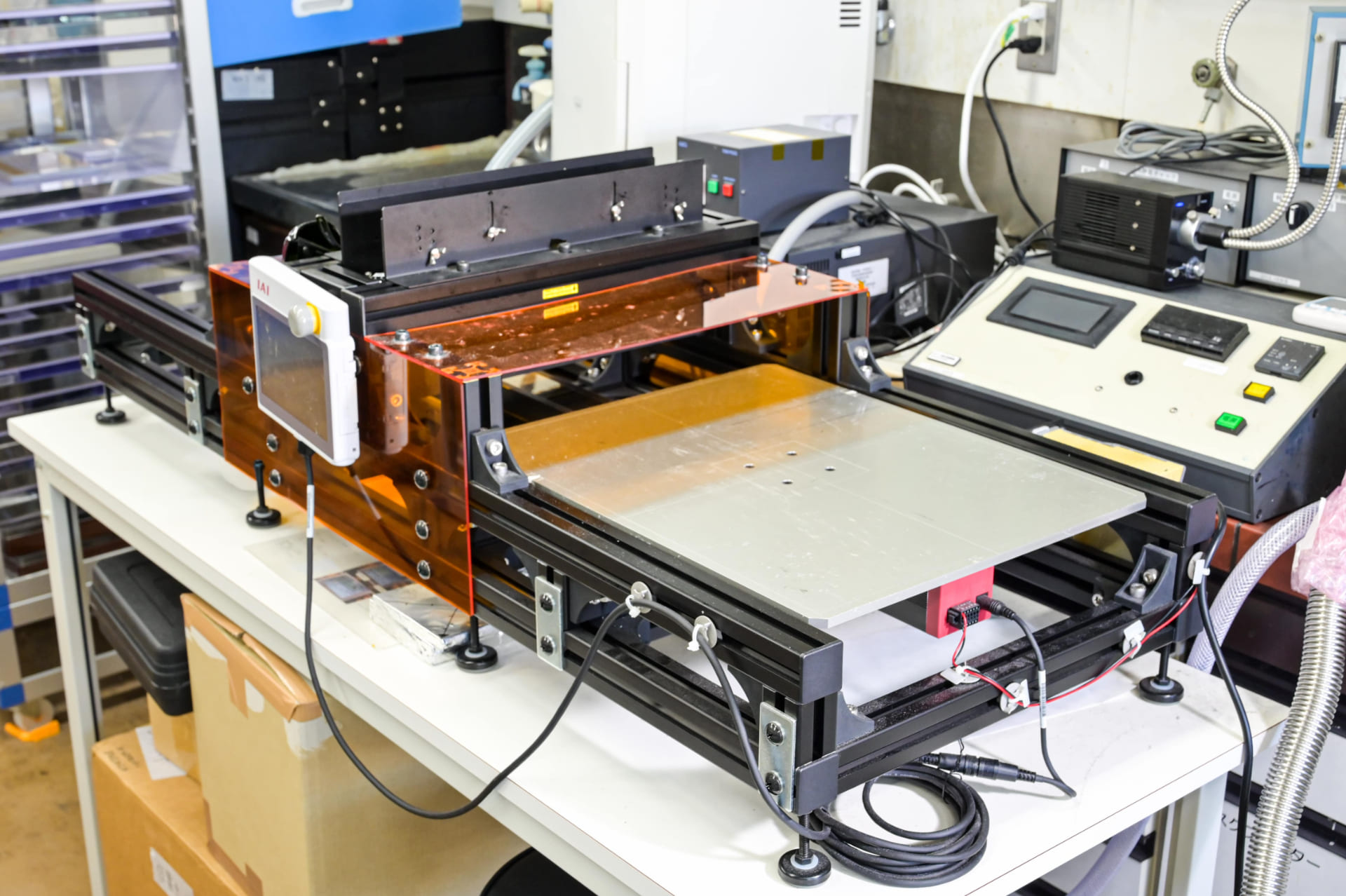 Line-Type Large-Area Ultraviolet Irradiation Device
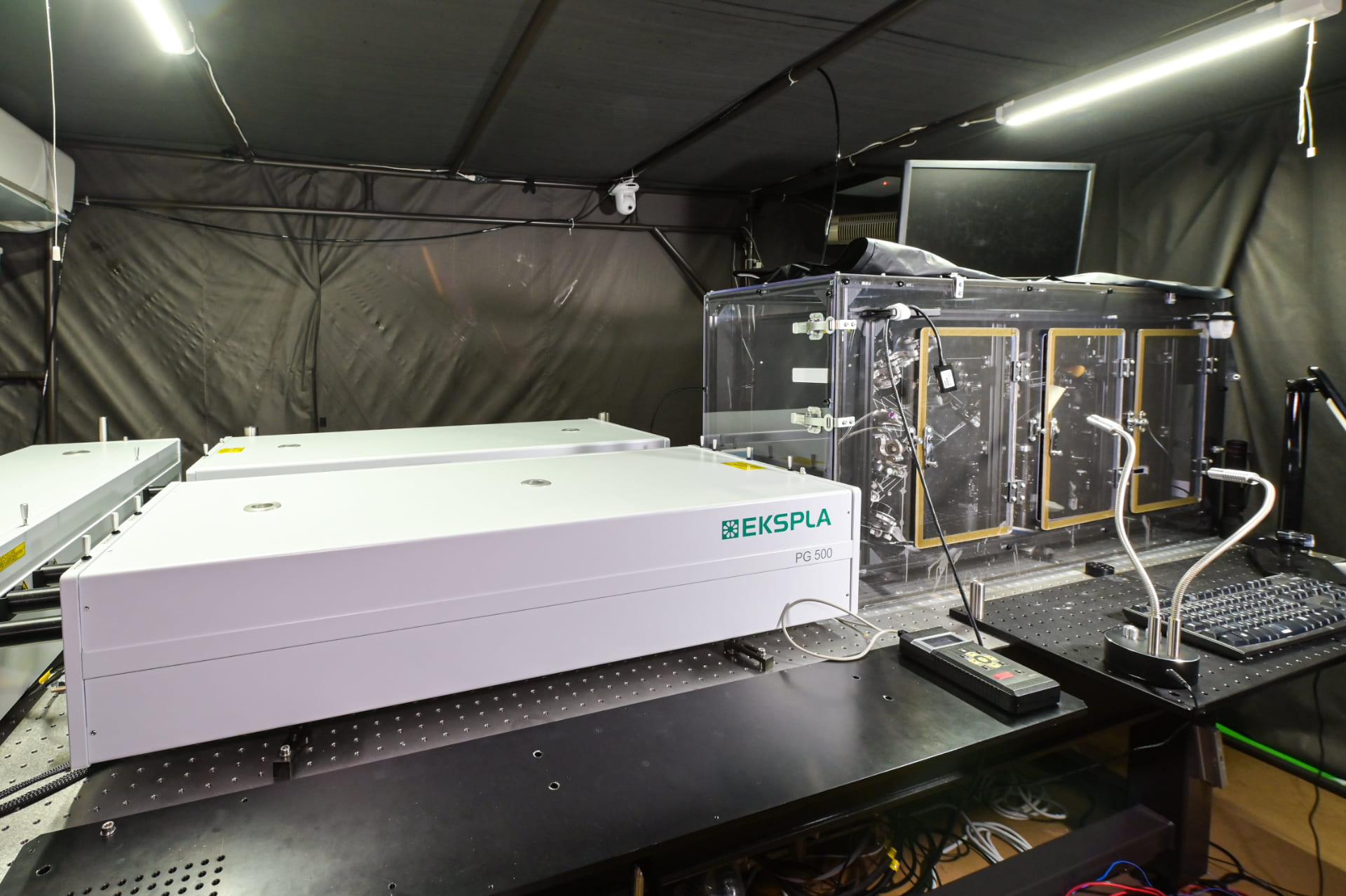 Vibration-Harmonic Frequency Generation Spectrometer
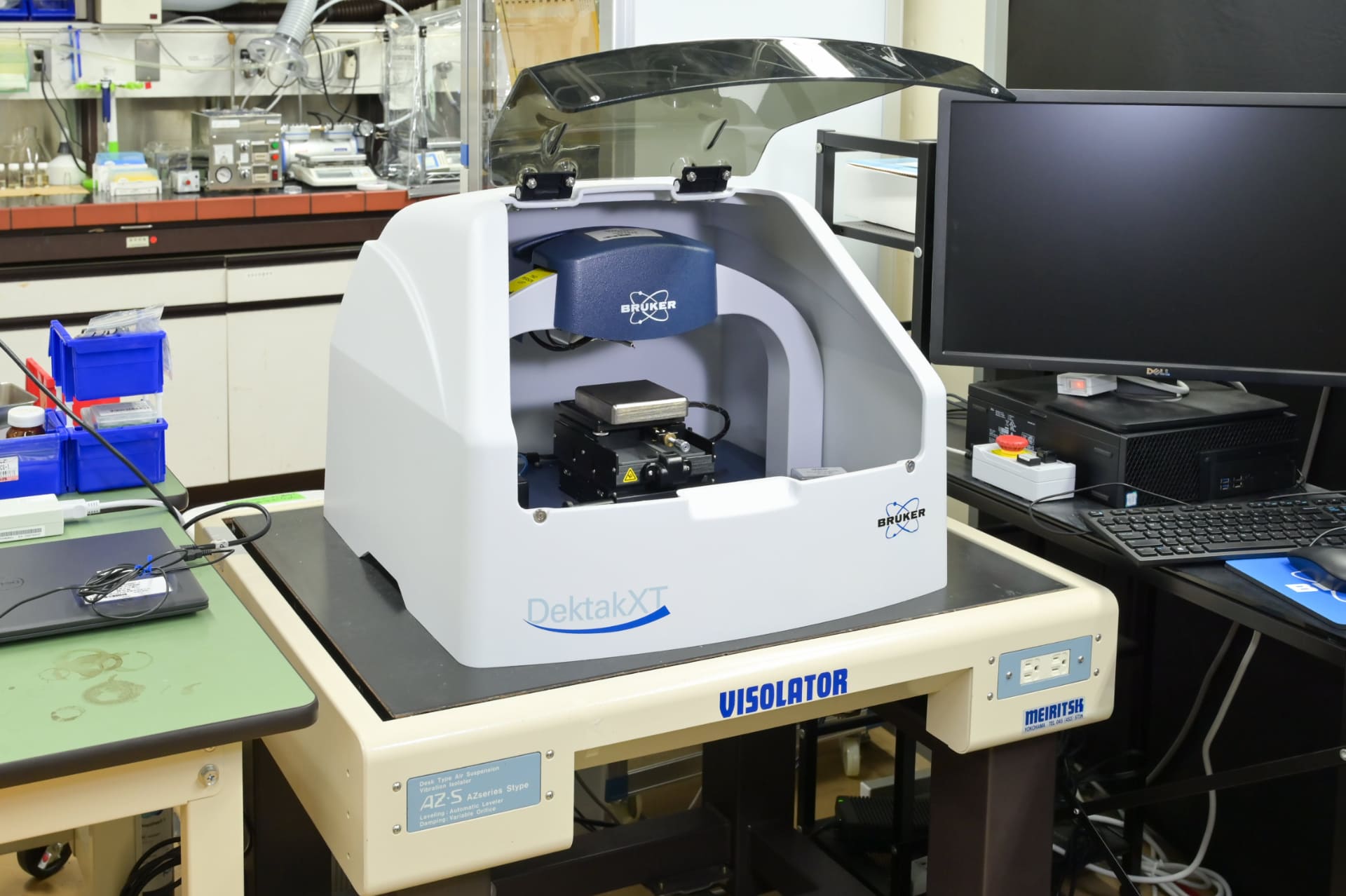 Film Thickness Step Difference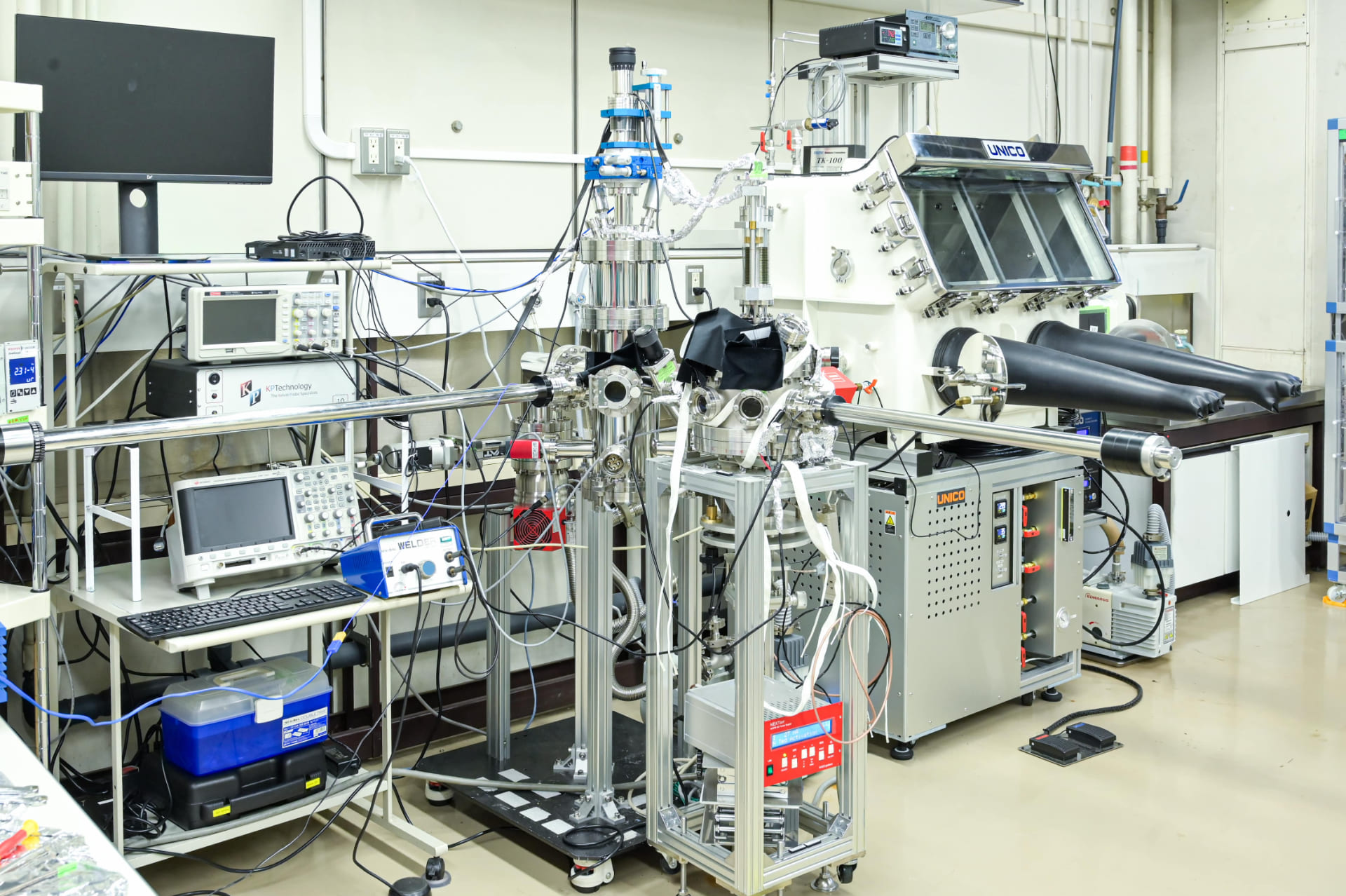
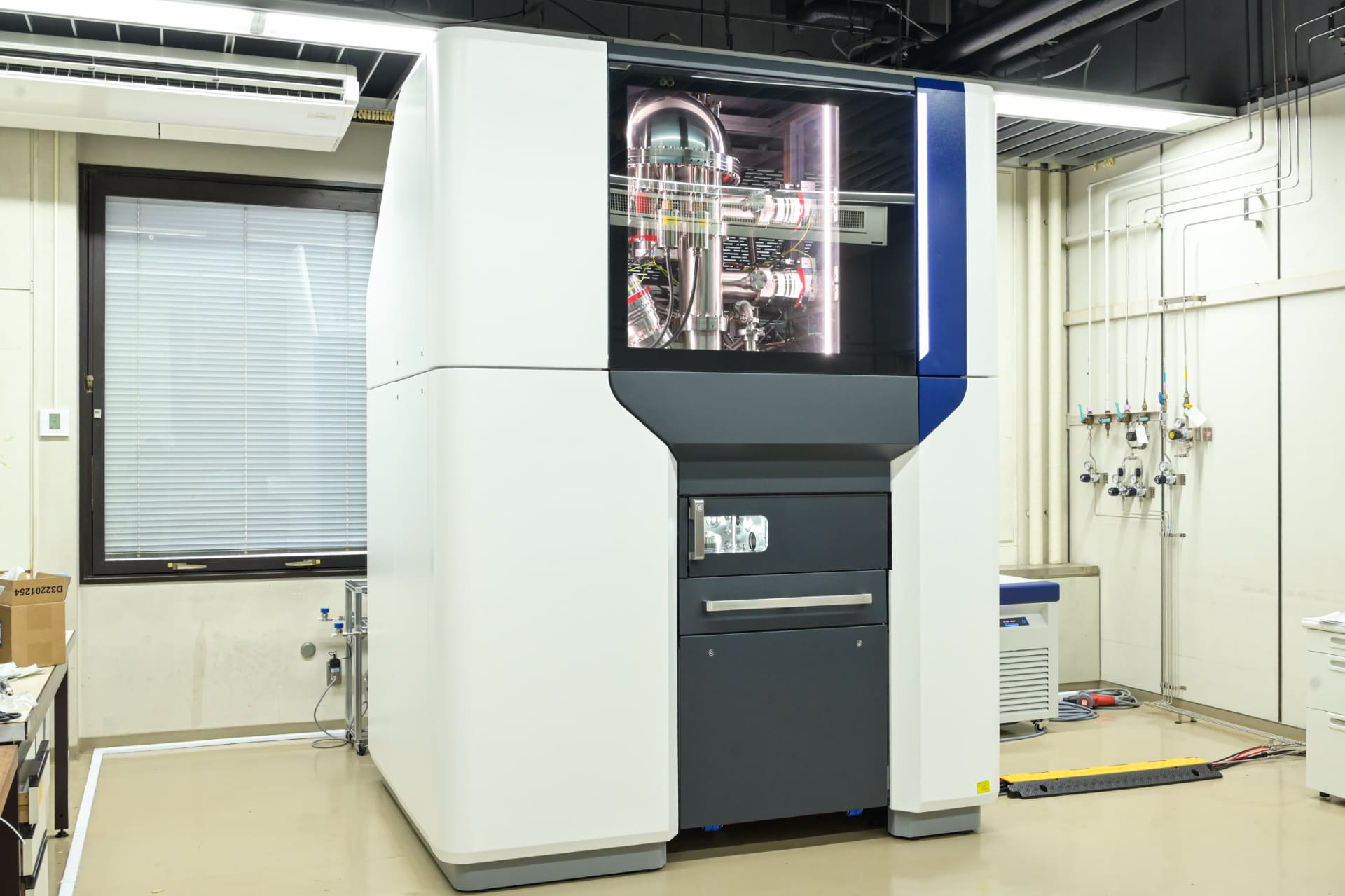 Quasi-Atmospheric Pressure X-ray Photoelectron Spectrometer
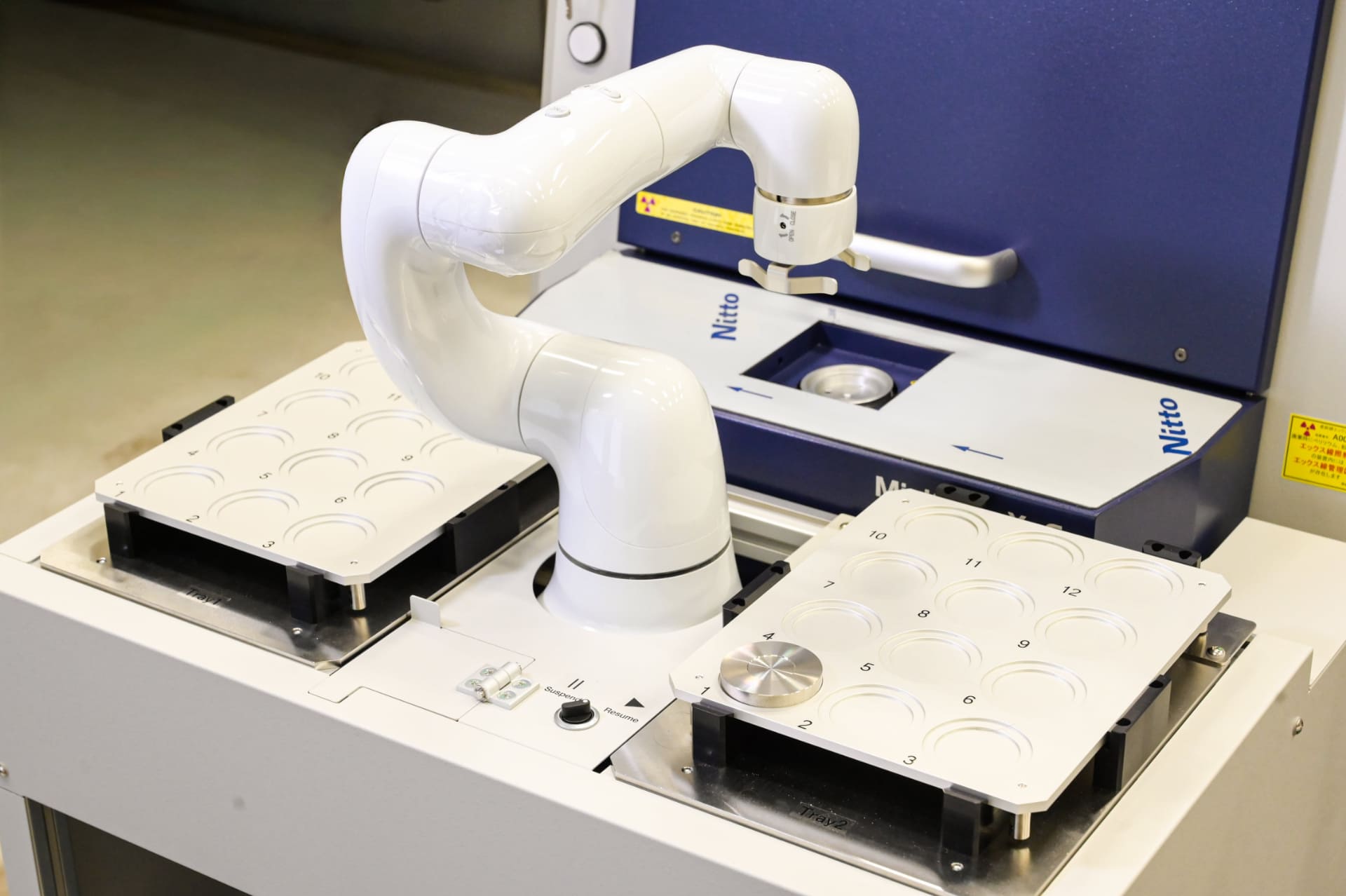
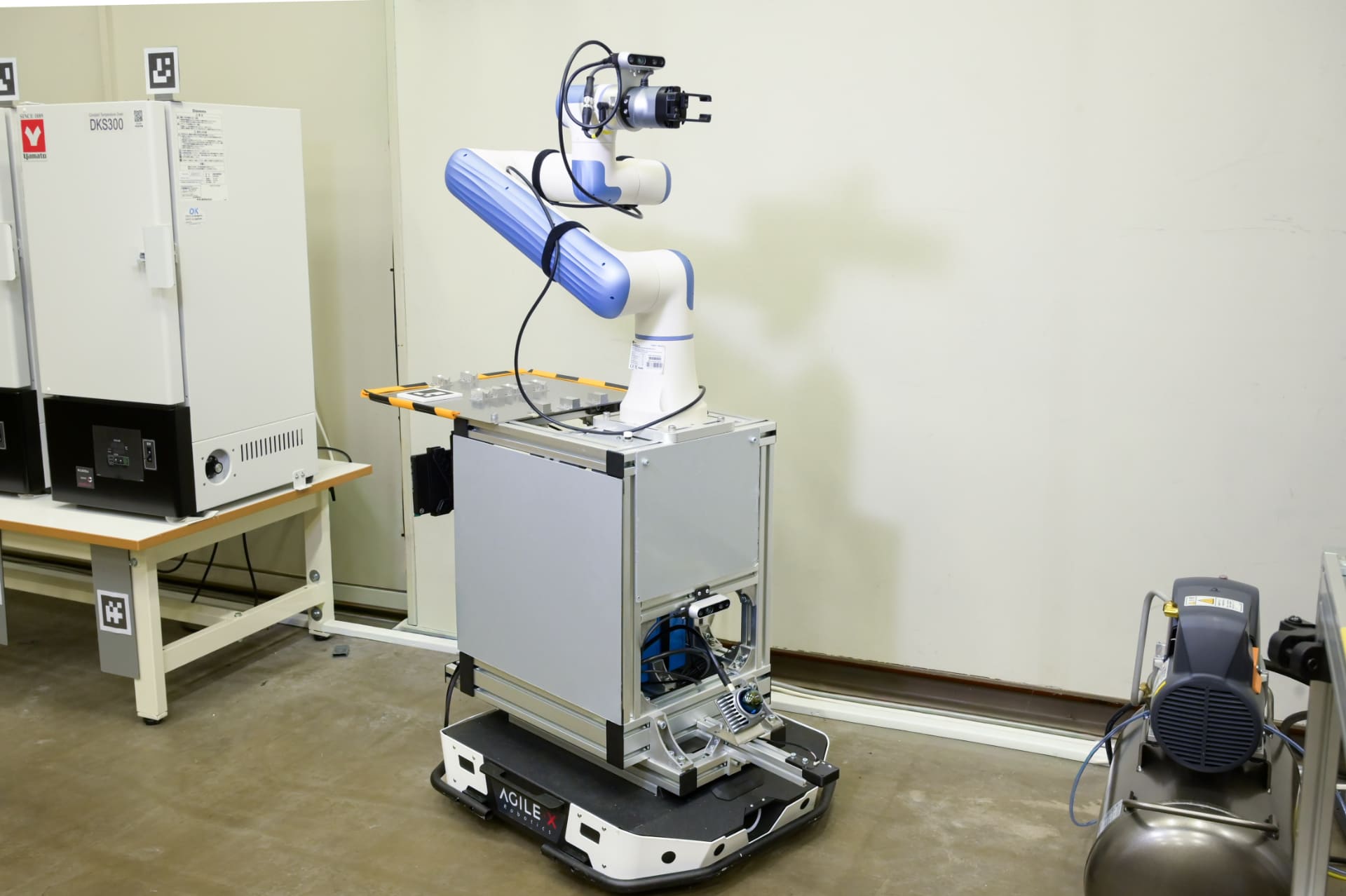 Collaborative robot
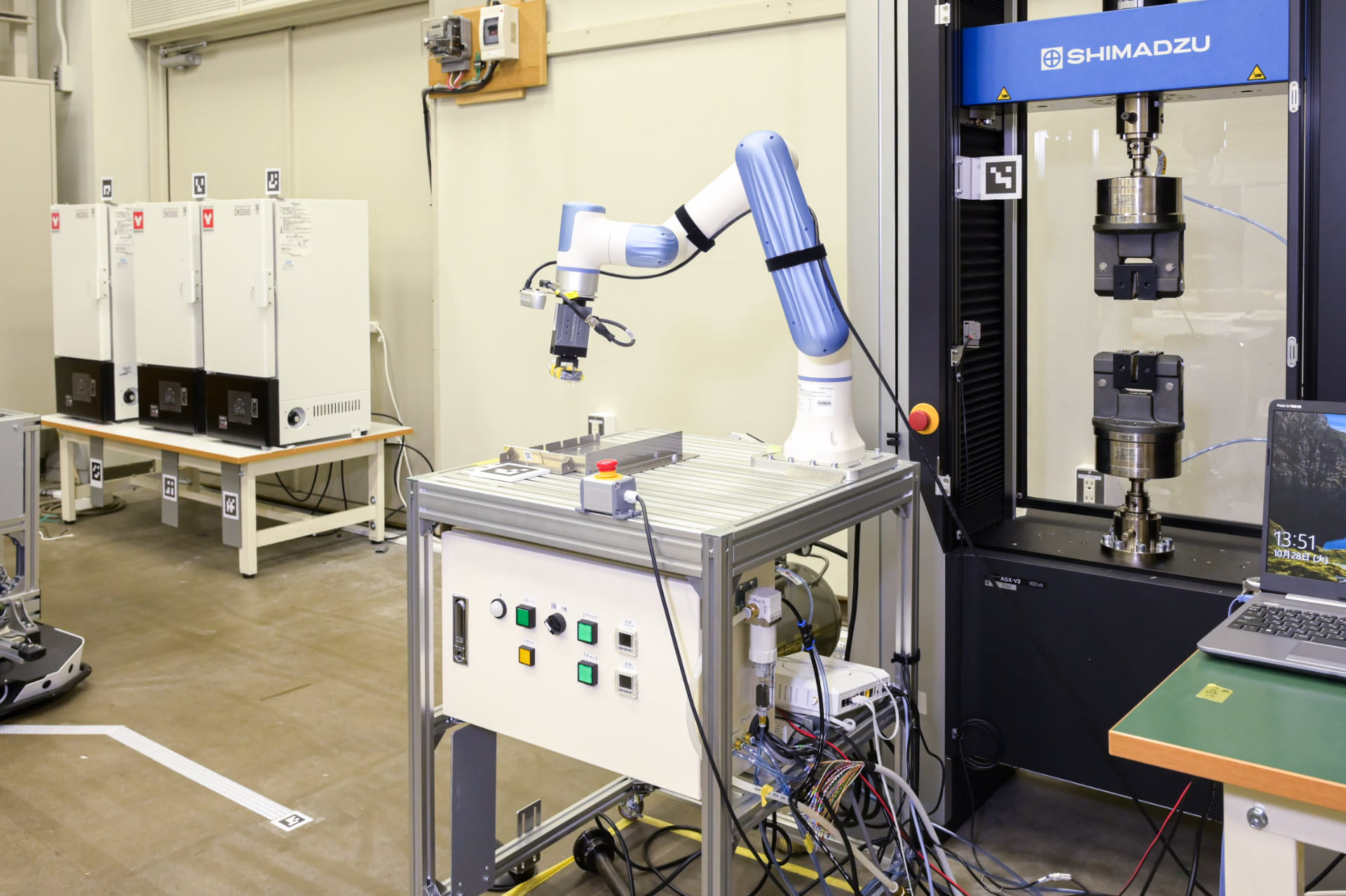 Automated Experiment System
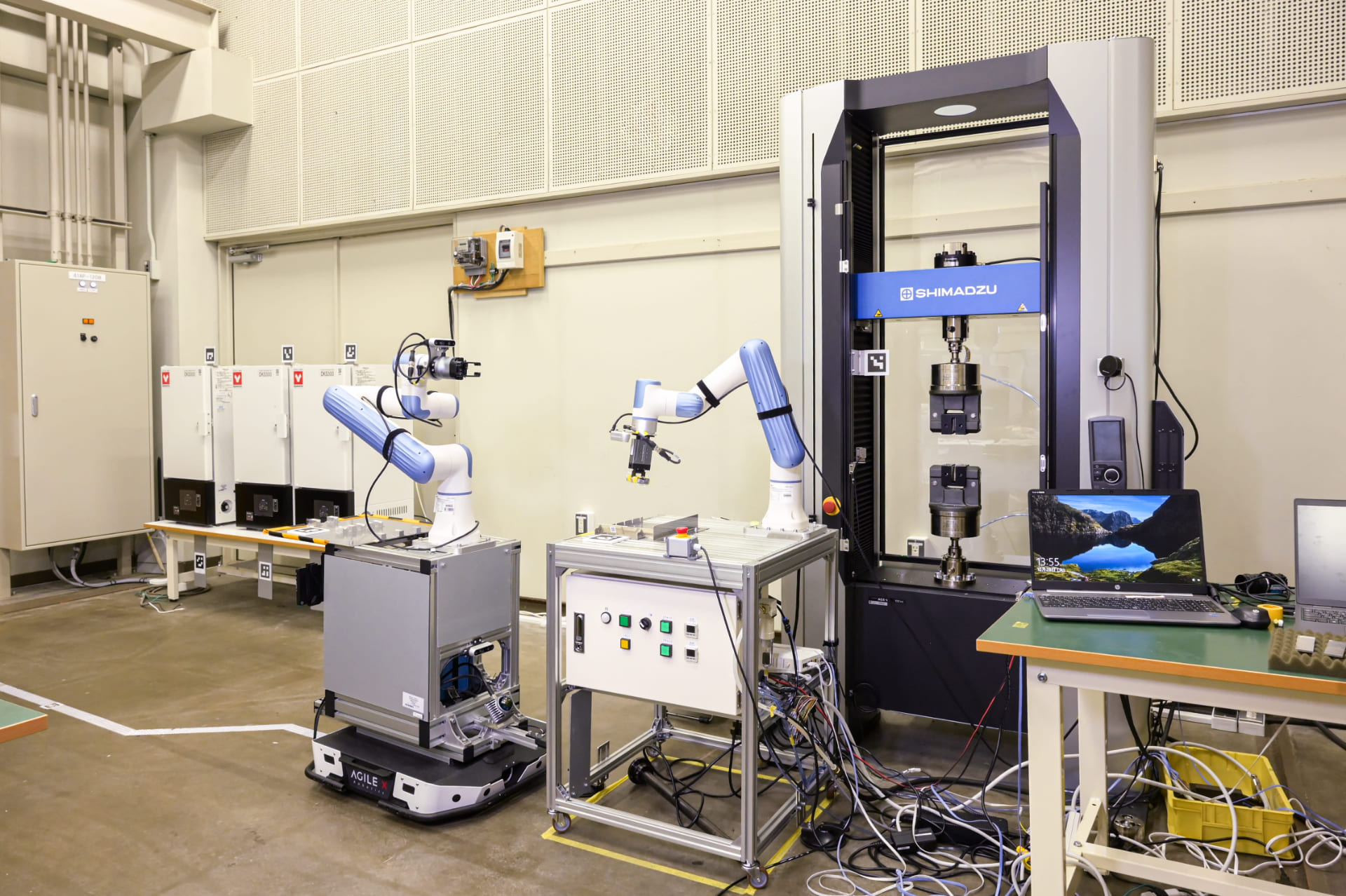 Fully Automatic Degradation Tensile Testing Machine
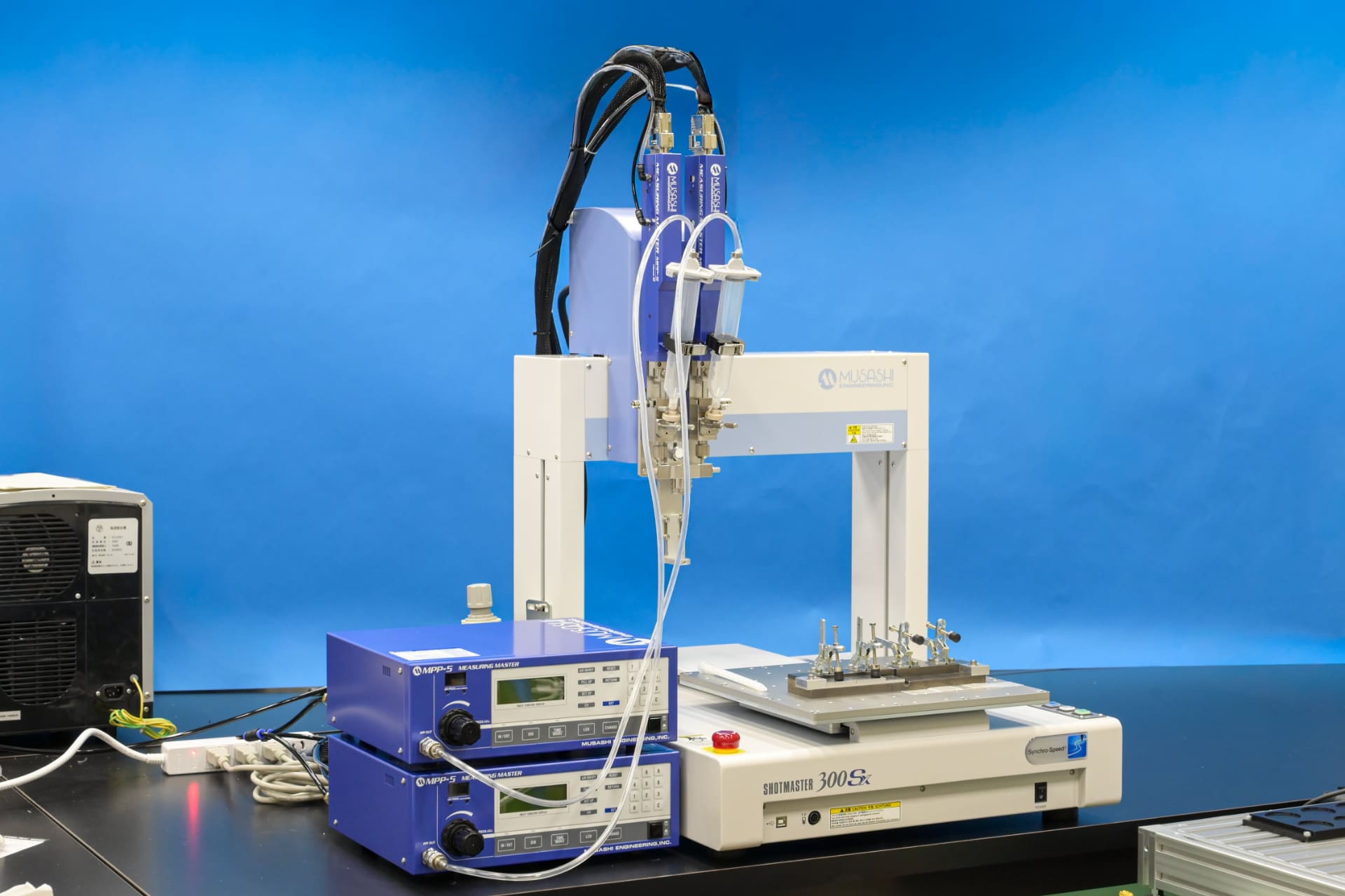 Dispenser
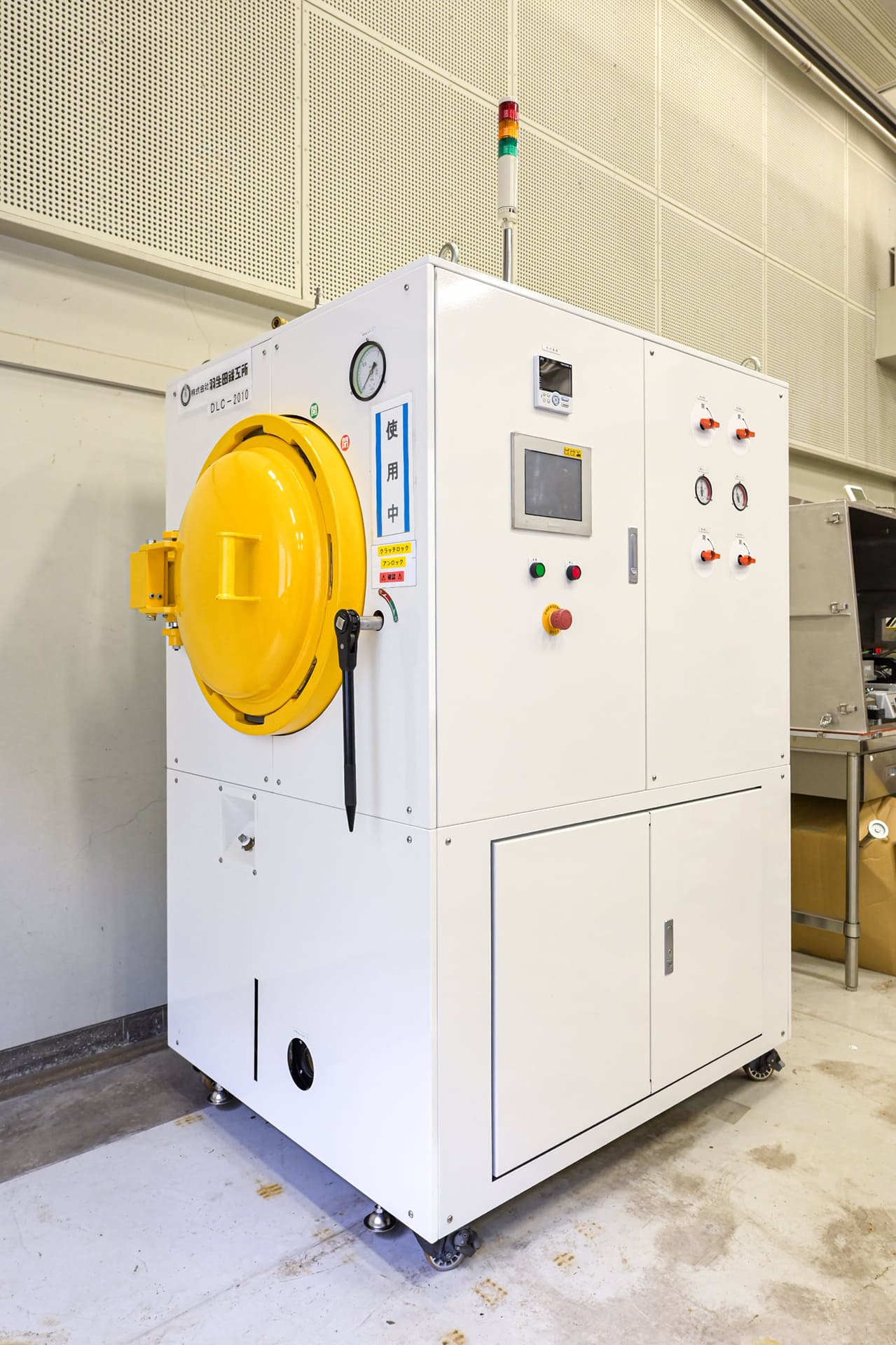 Autoclave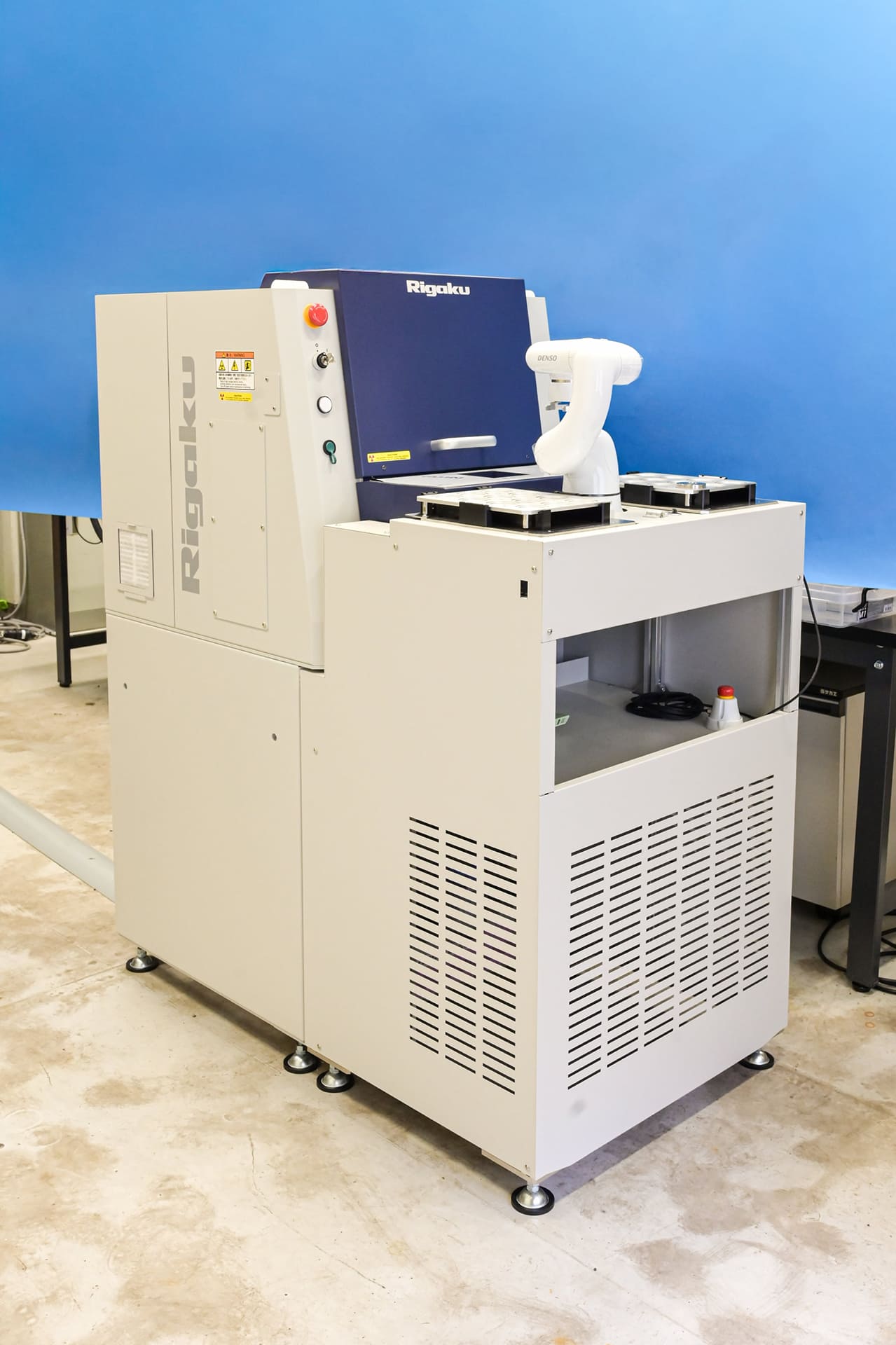
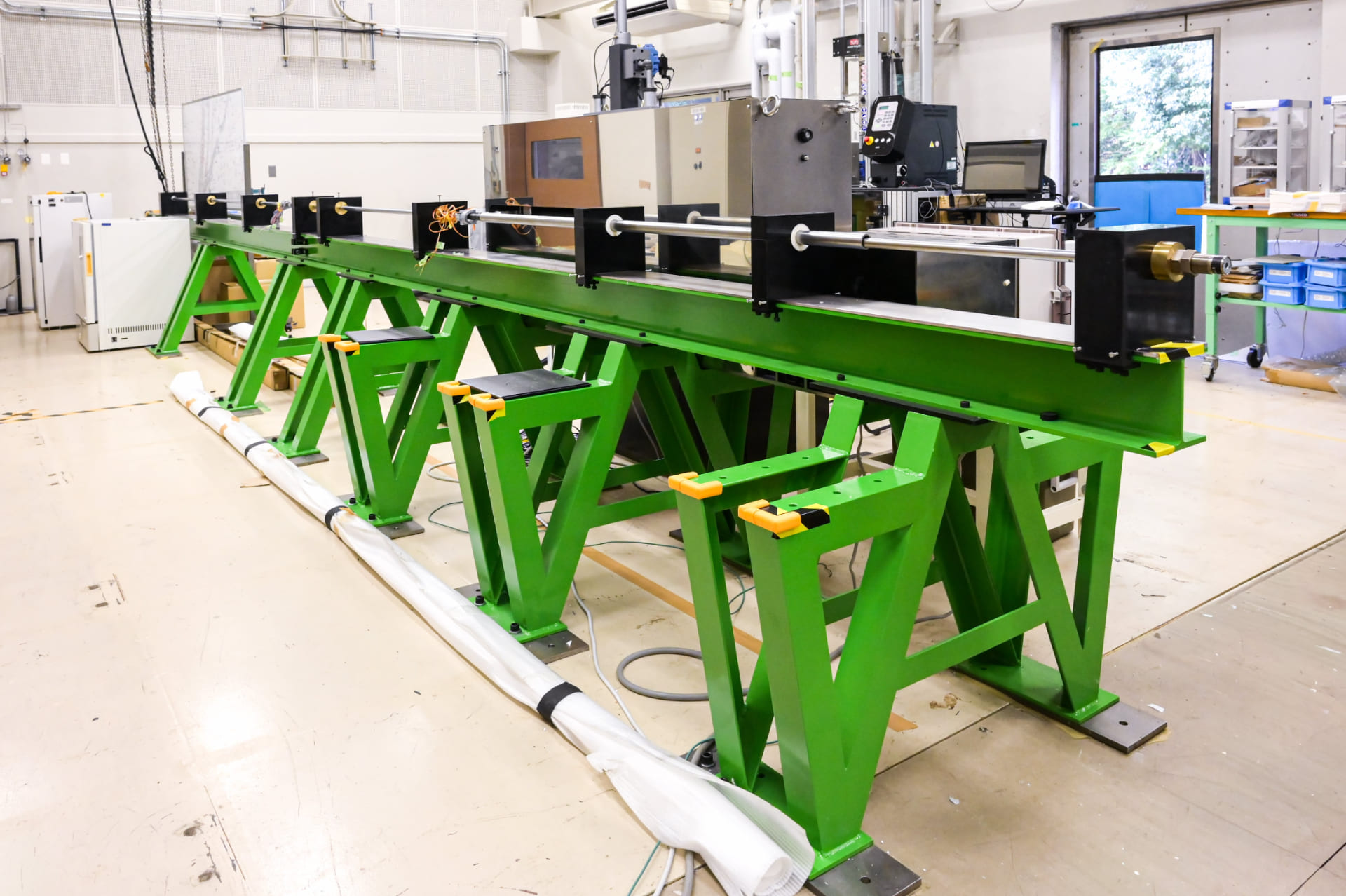 Hopkinson Bar Type Impact Tensile Testing Machine
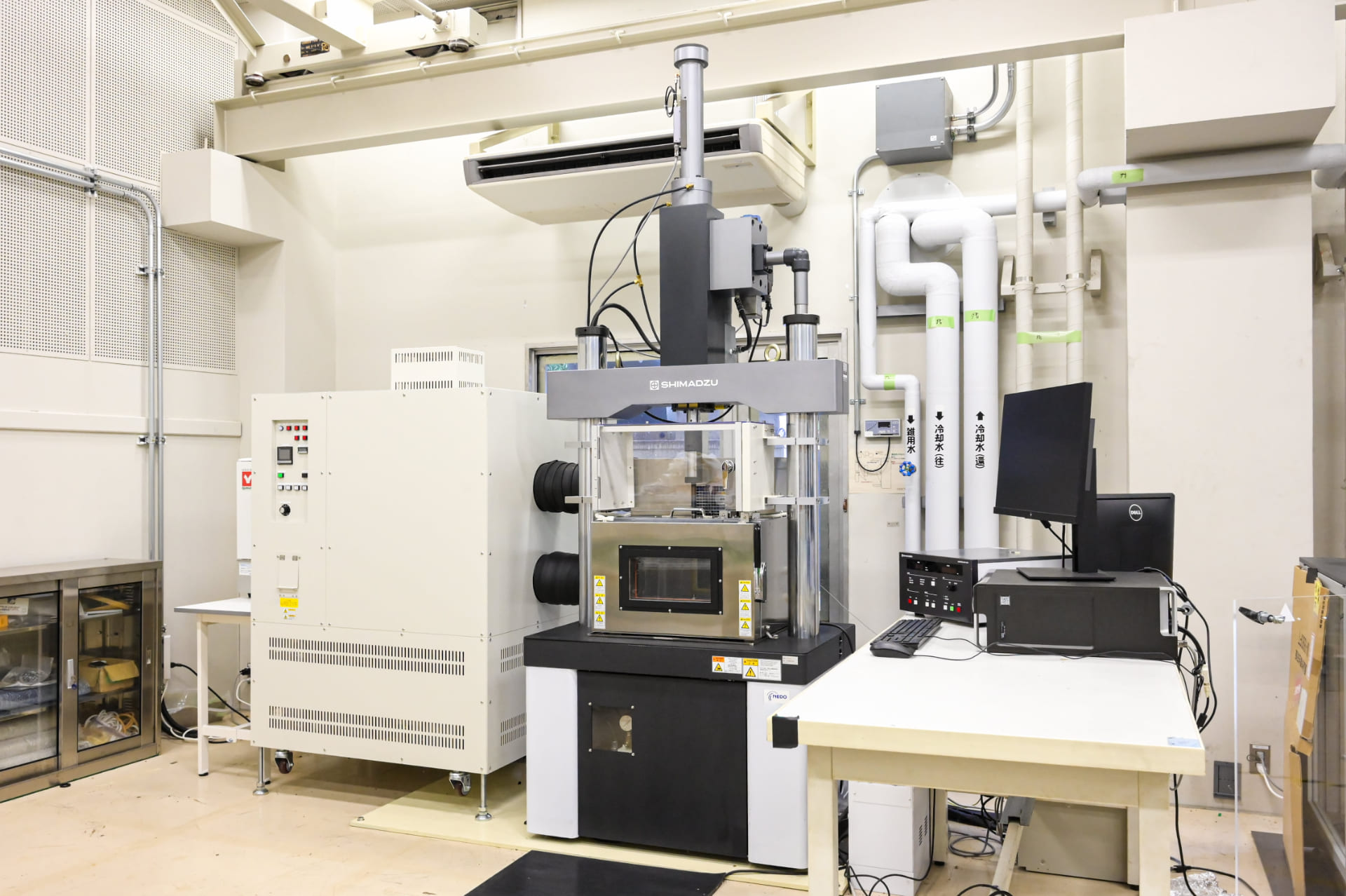 Temperature-Controlled Shock Tensile Testing Machine
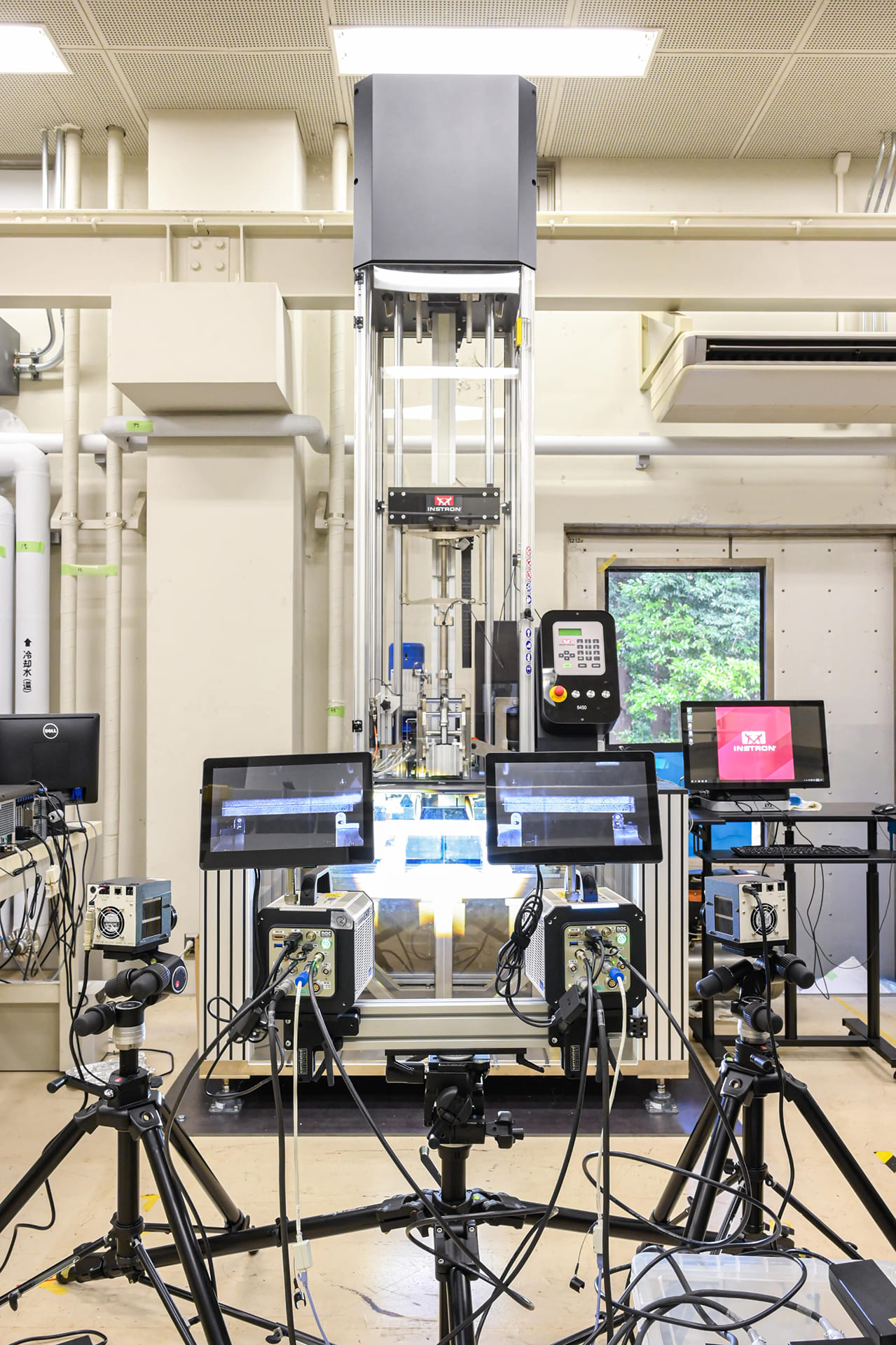 Drop Weight Impact Tester
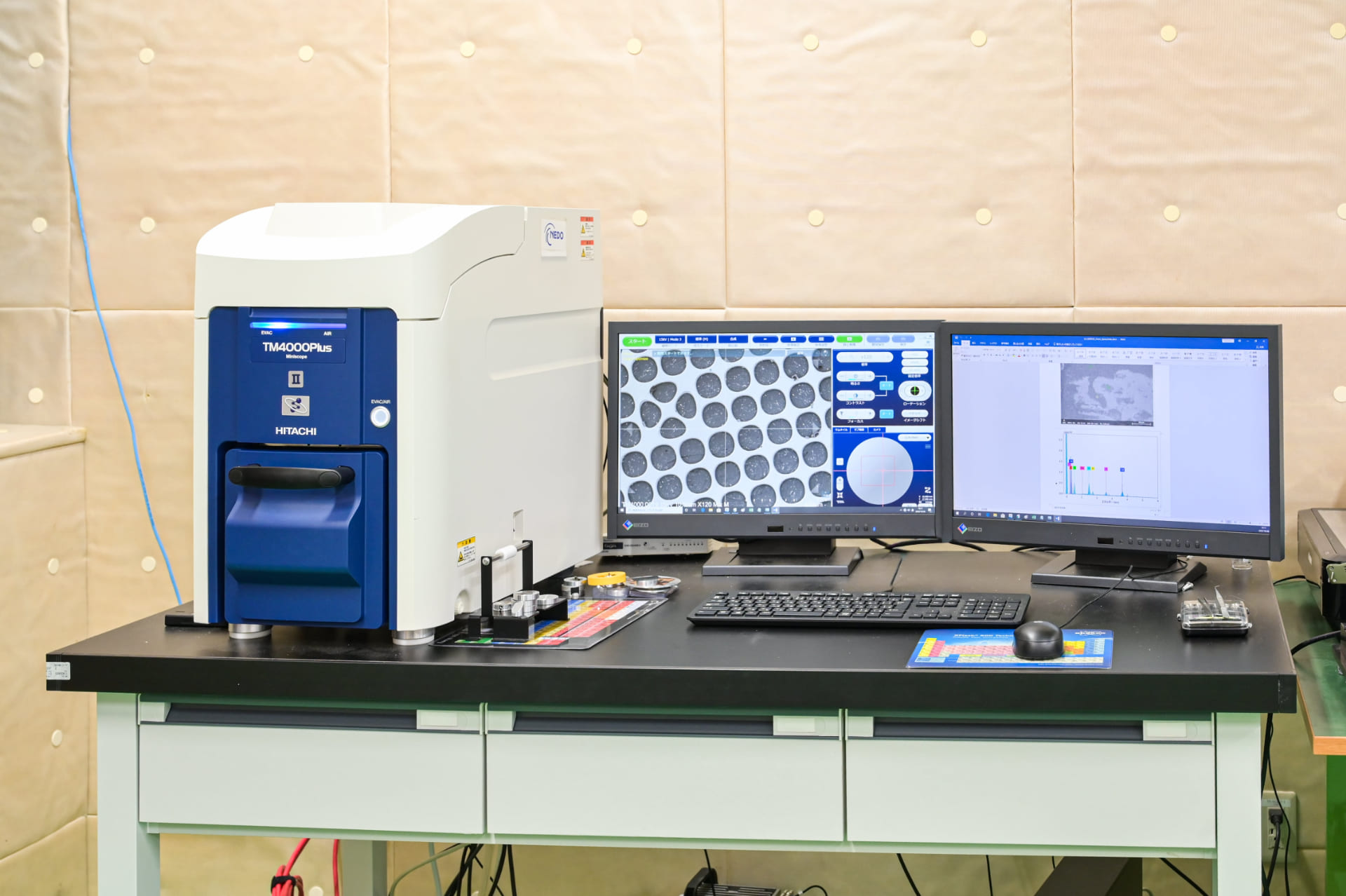 Benchtop Electron Microscope
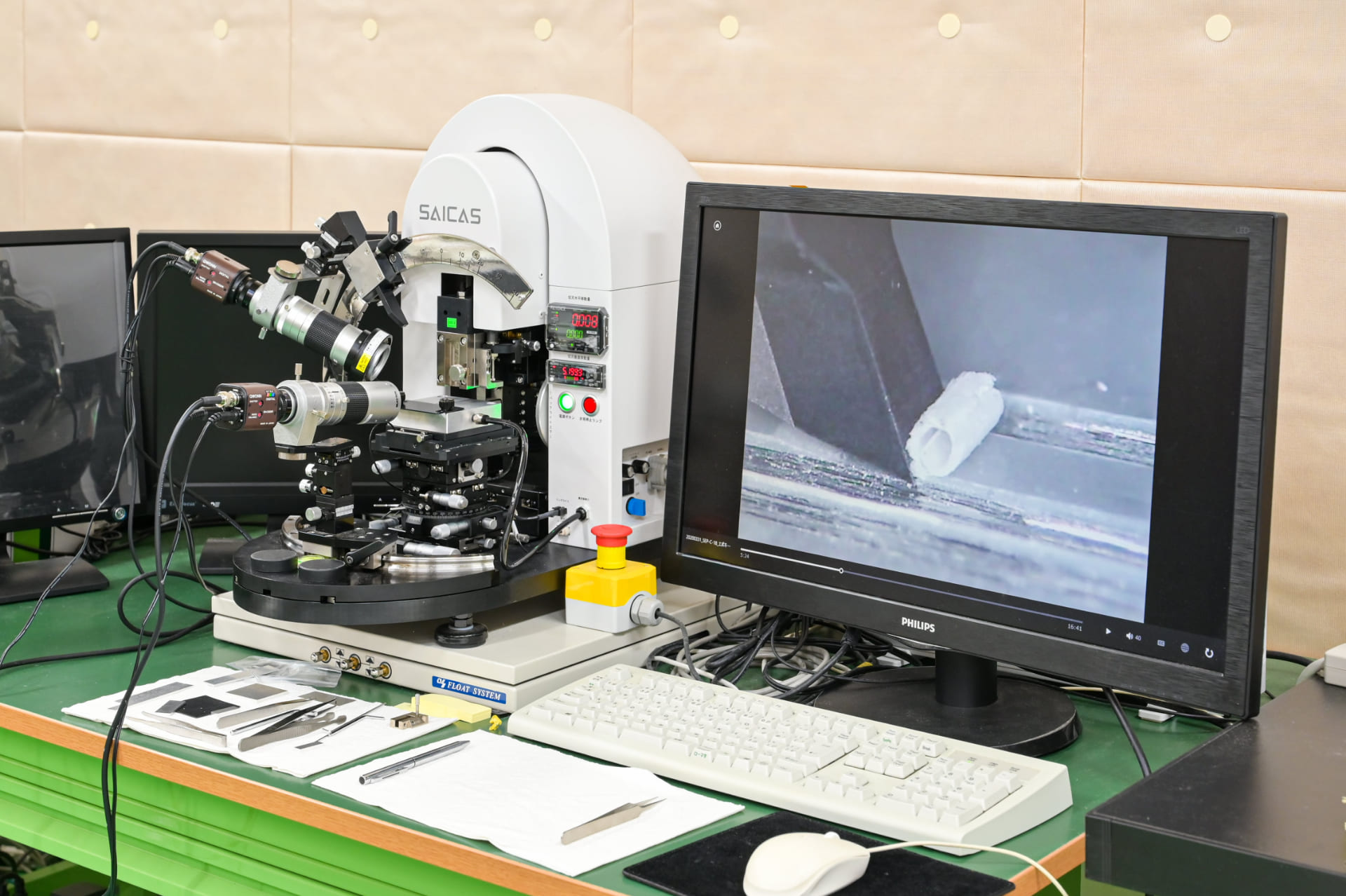 Surface and Interface Characterization Analysis System (SAICAS)
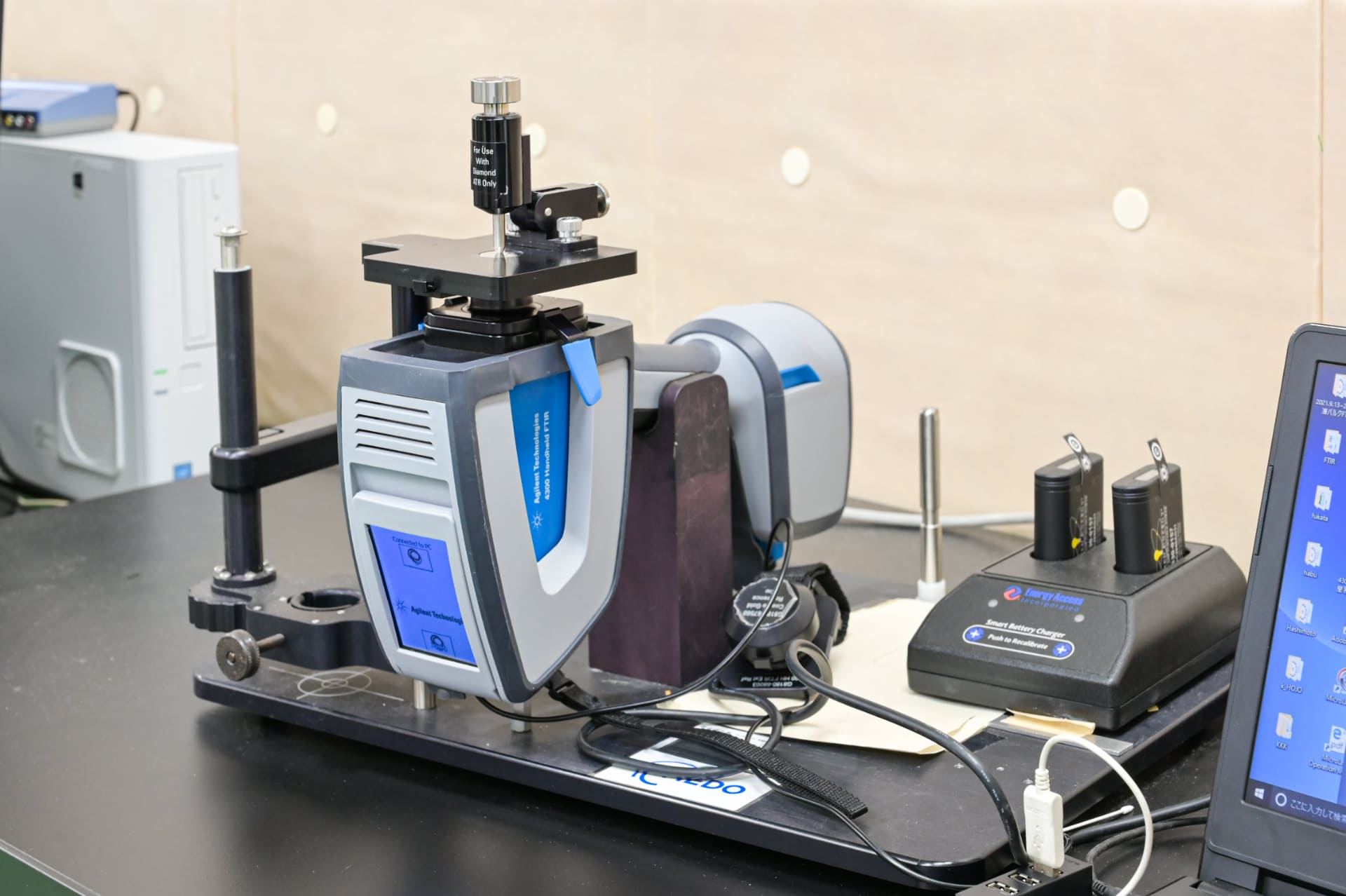 Portable FT-IR Spectrometer
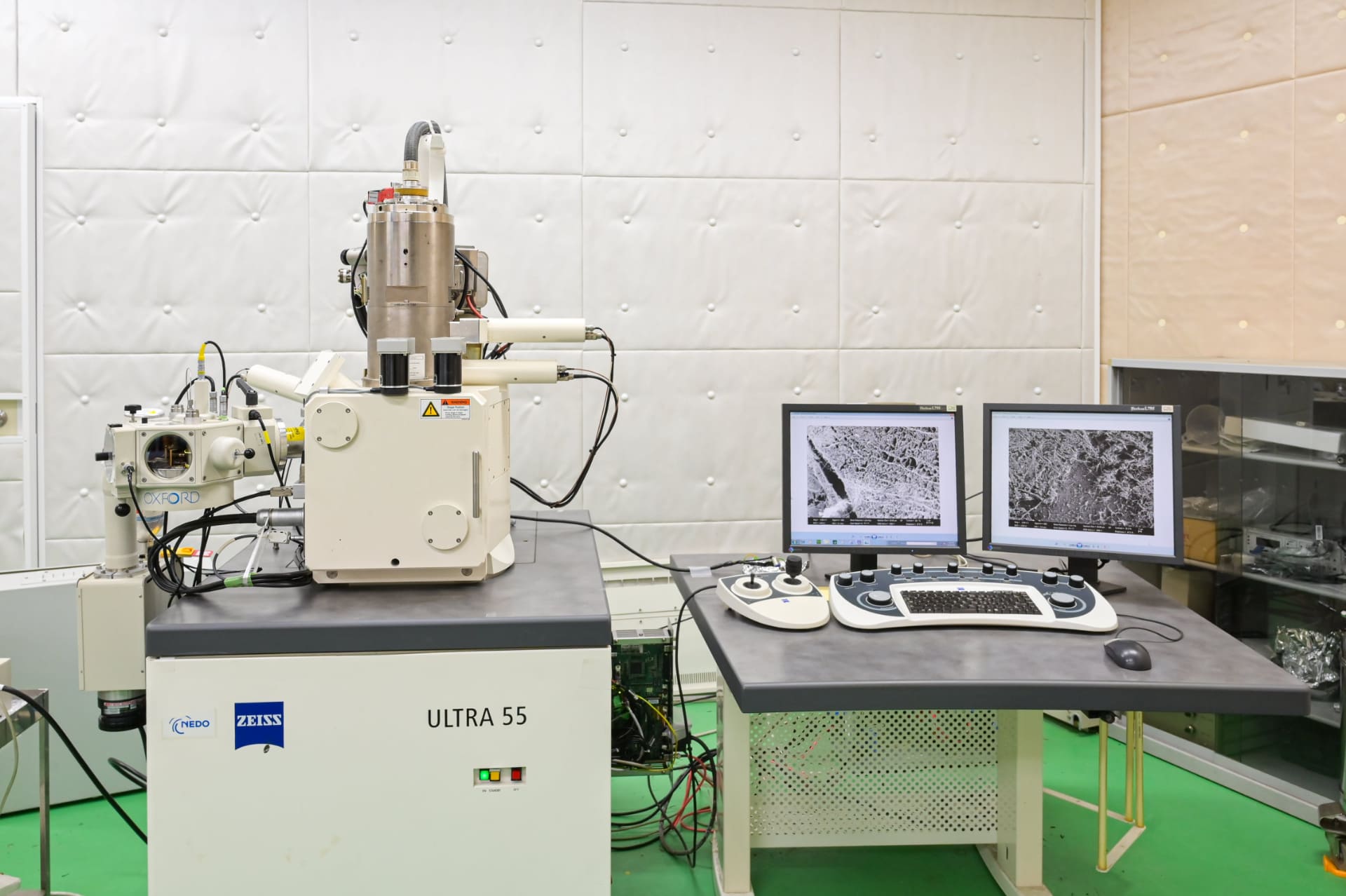 Field Emission Scanning Electron Microscope FE-SEM
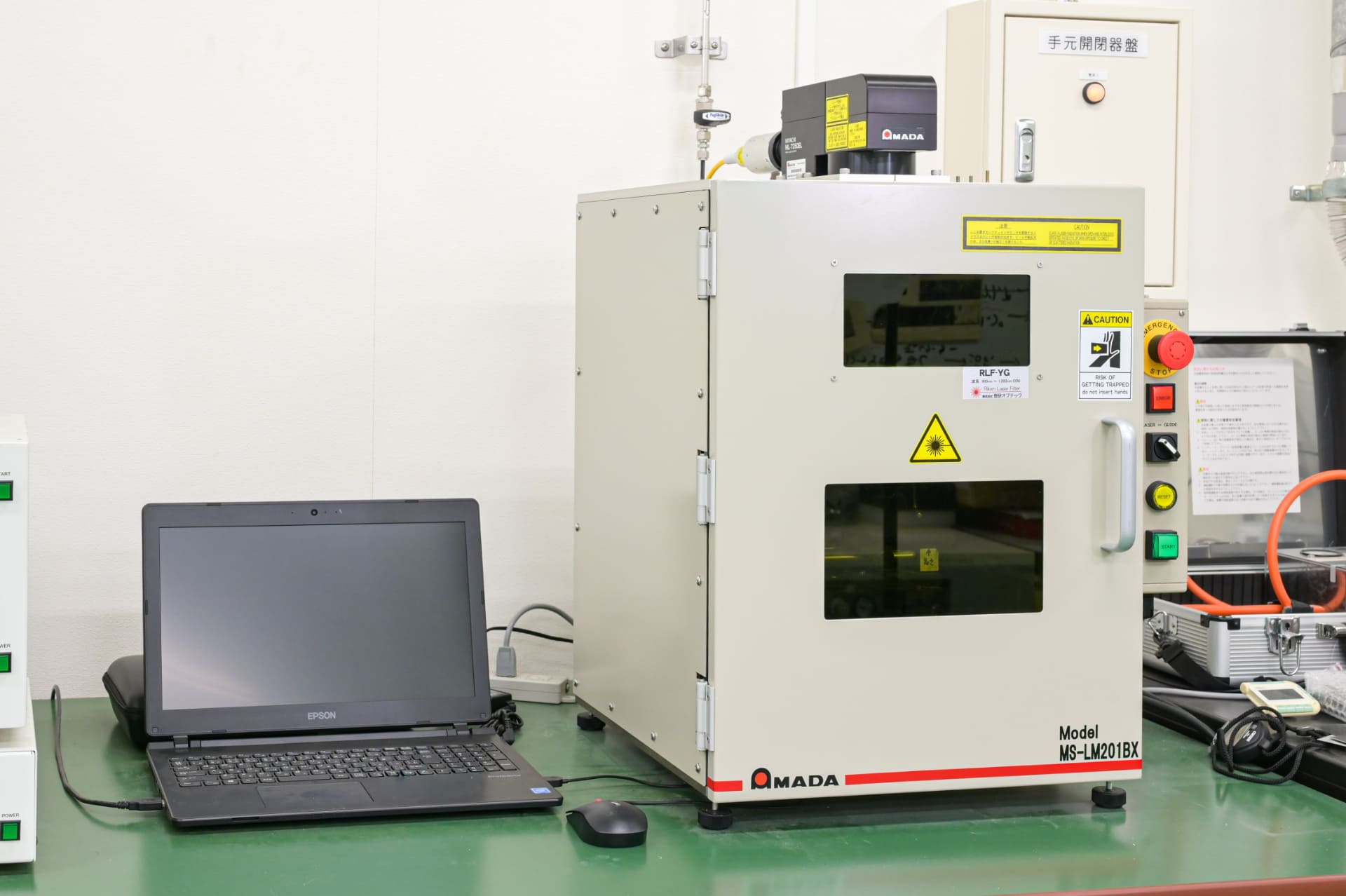 Laser processing machine
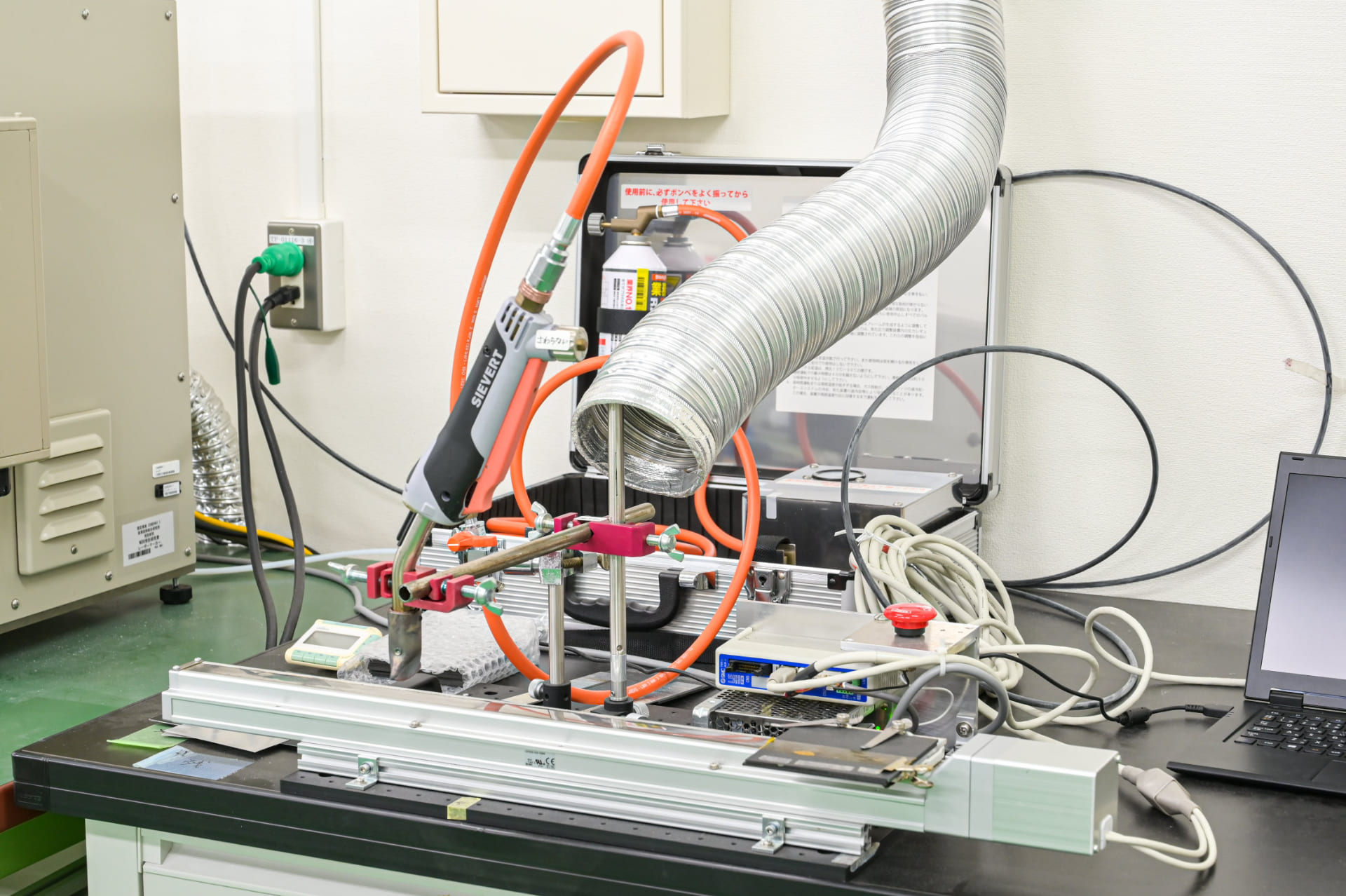 Frame Processing Device
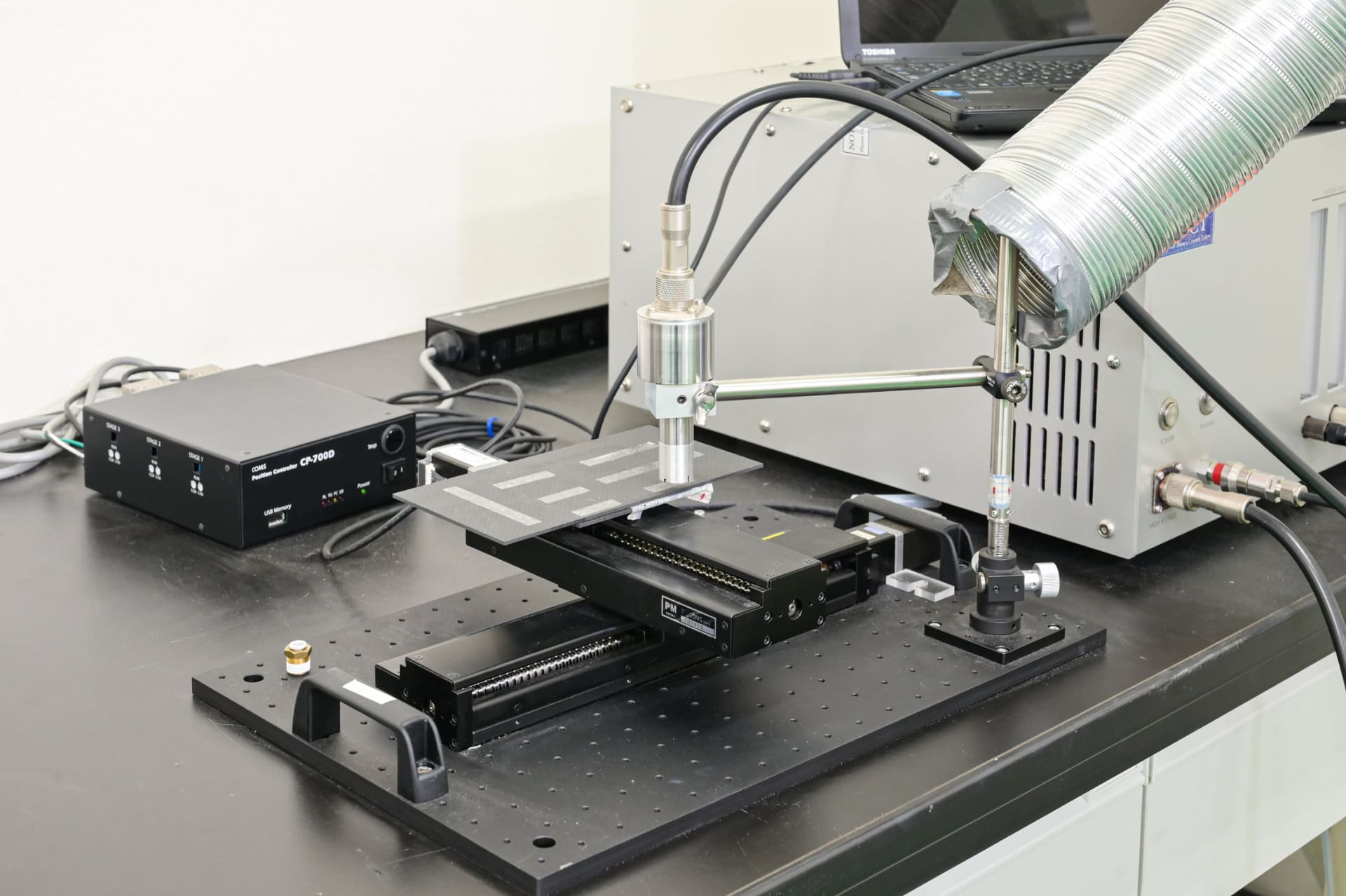 Plasma Treatment Device
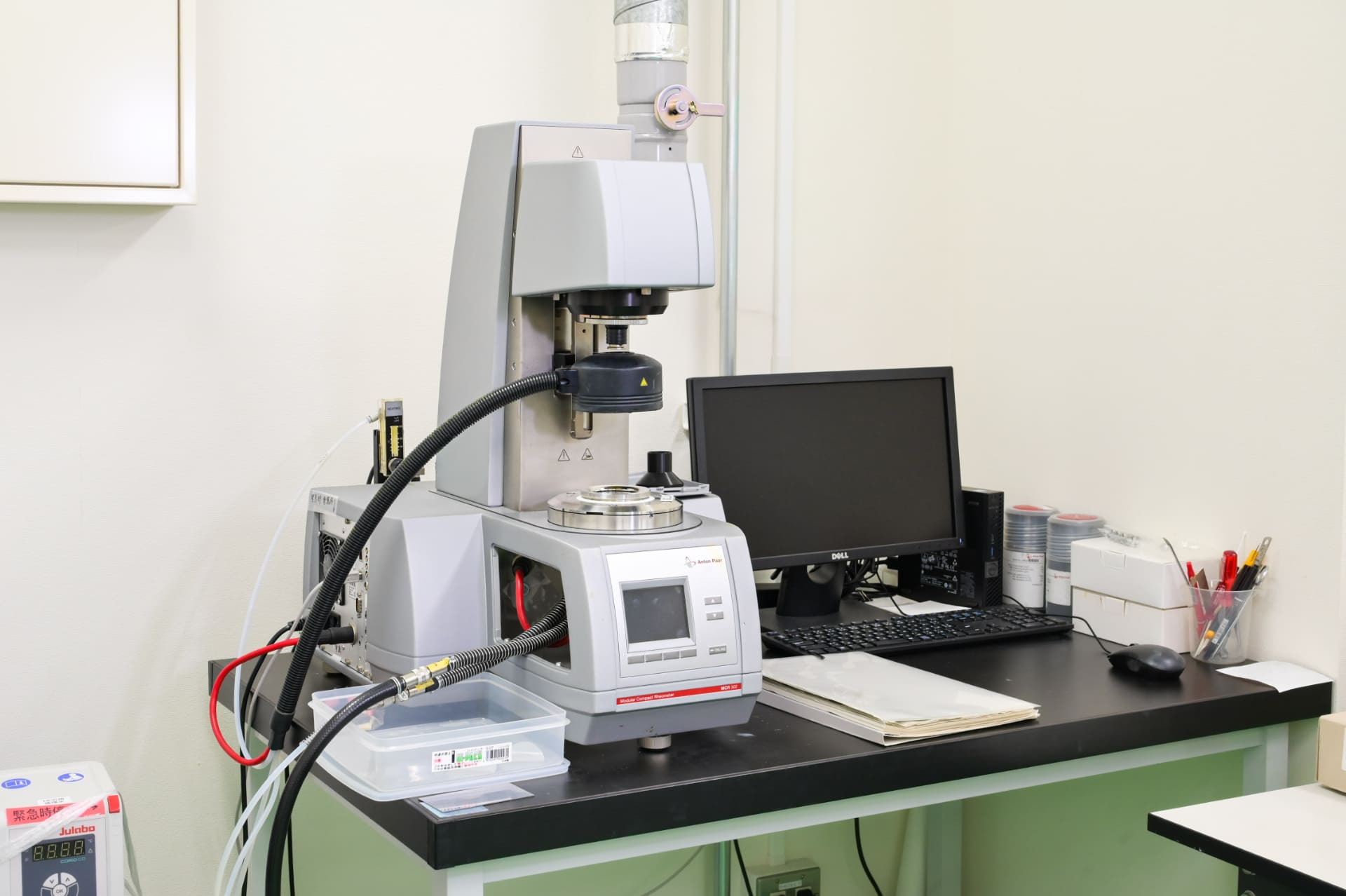 Viscoelasticity Measurement Device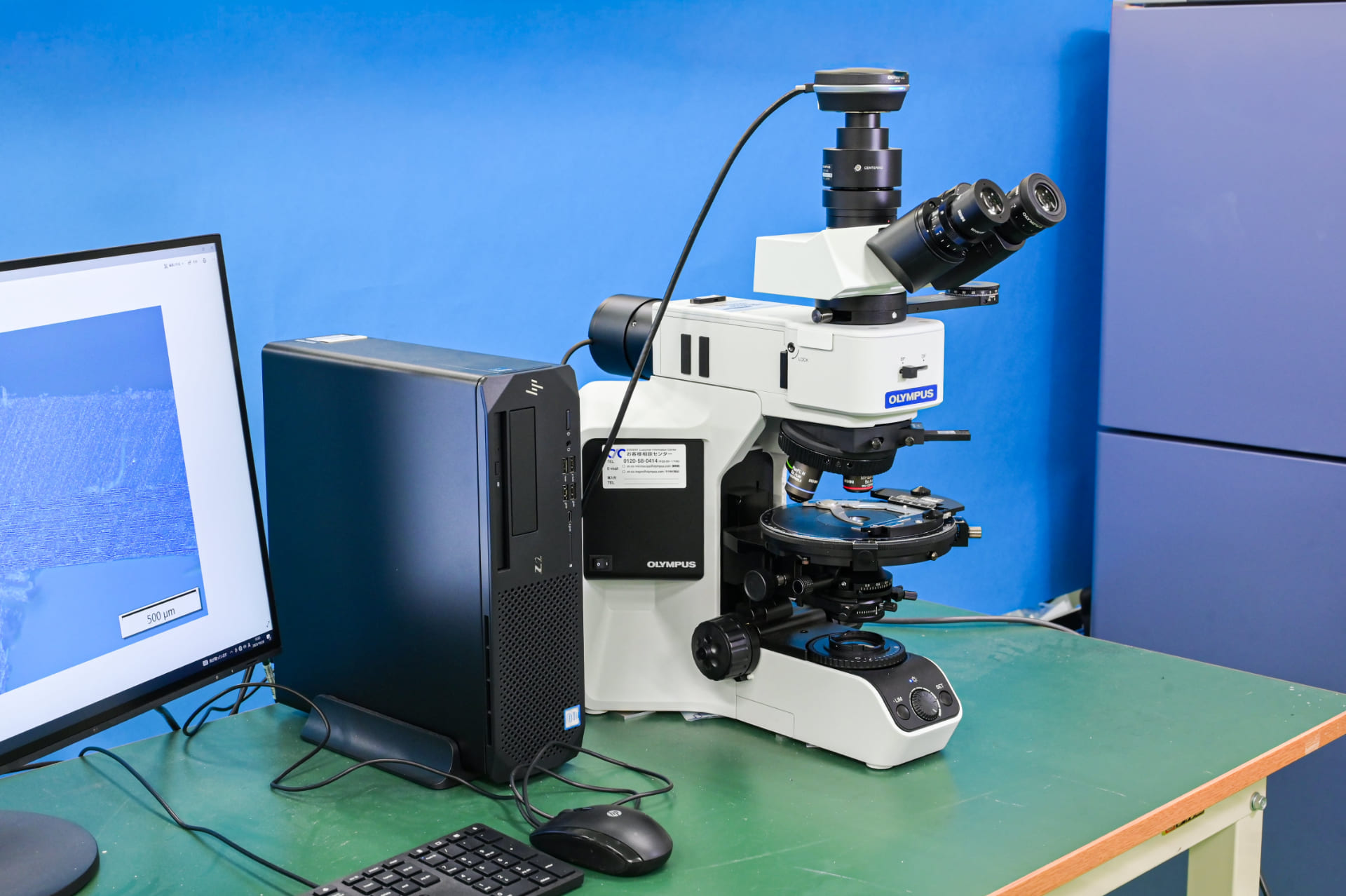
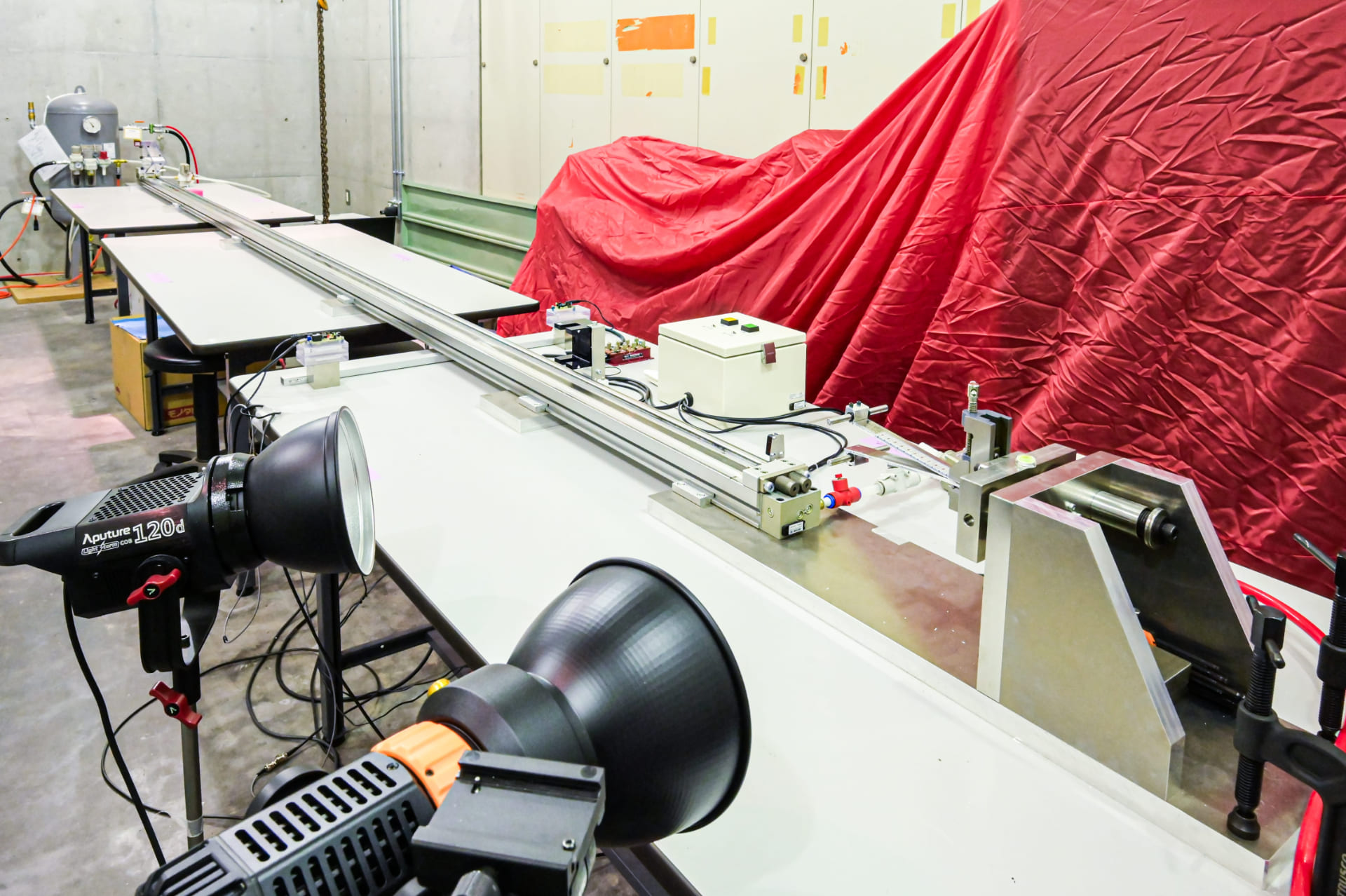 High-Speed DCB Tester
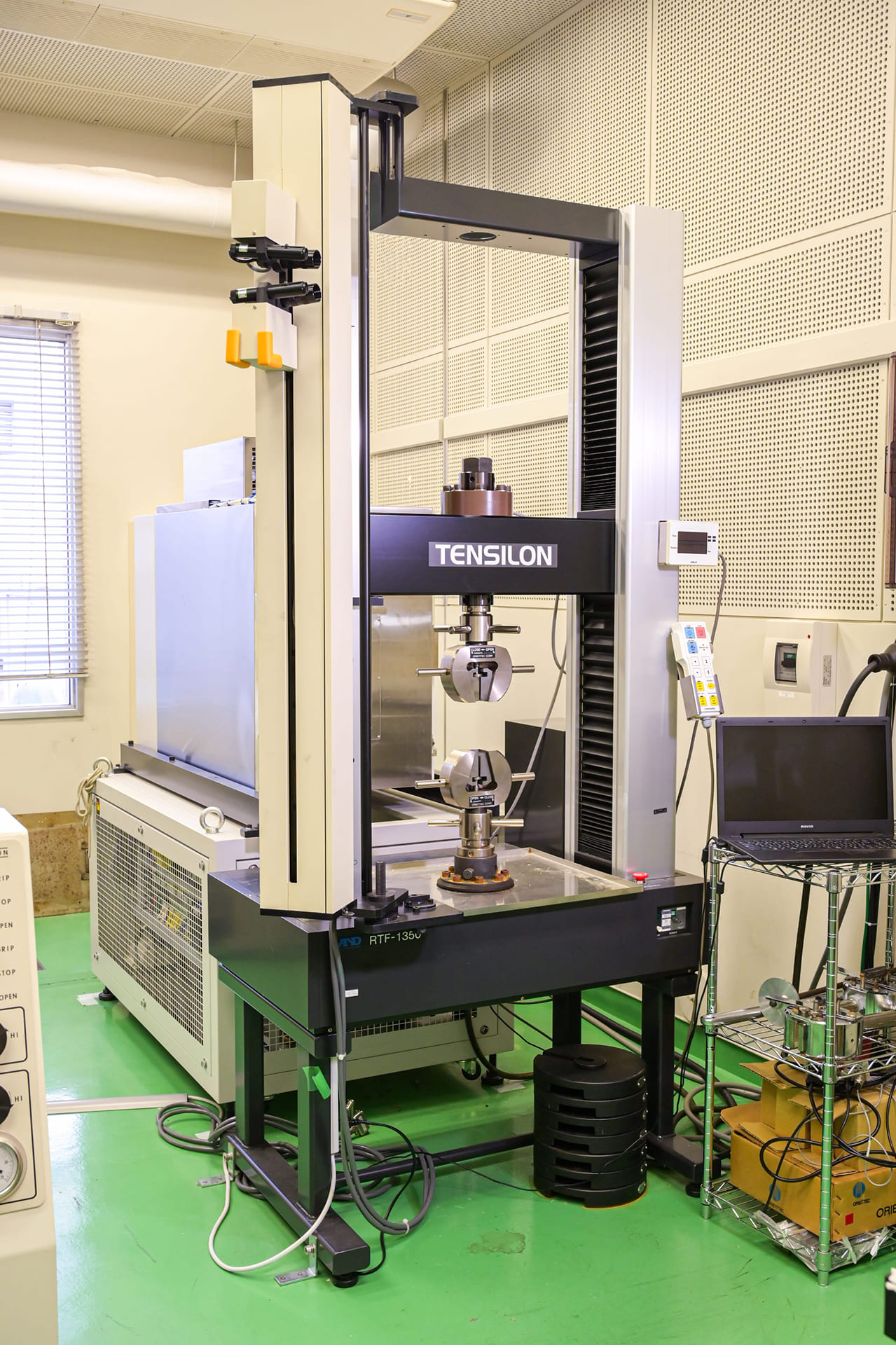 Tensile testing machine
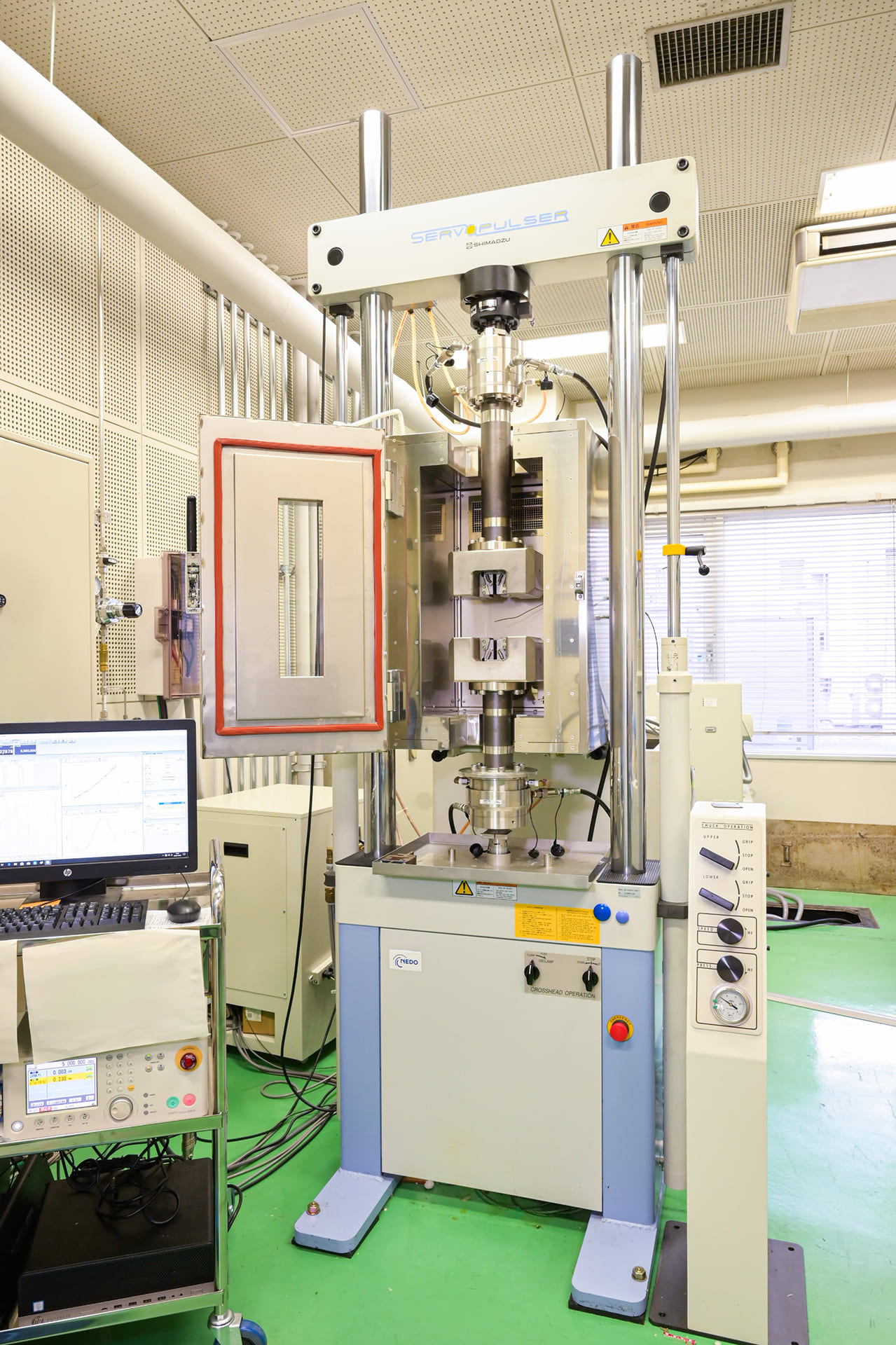 Fatigue Testing Machine with Heating/Cooling Furnace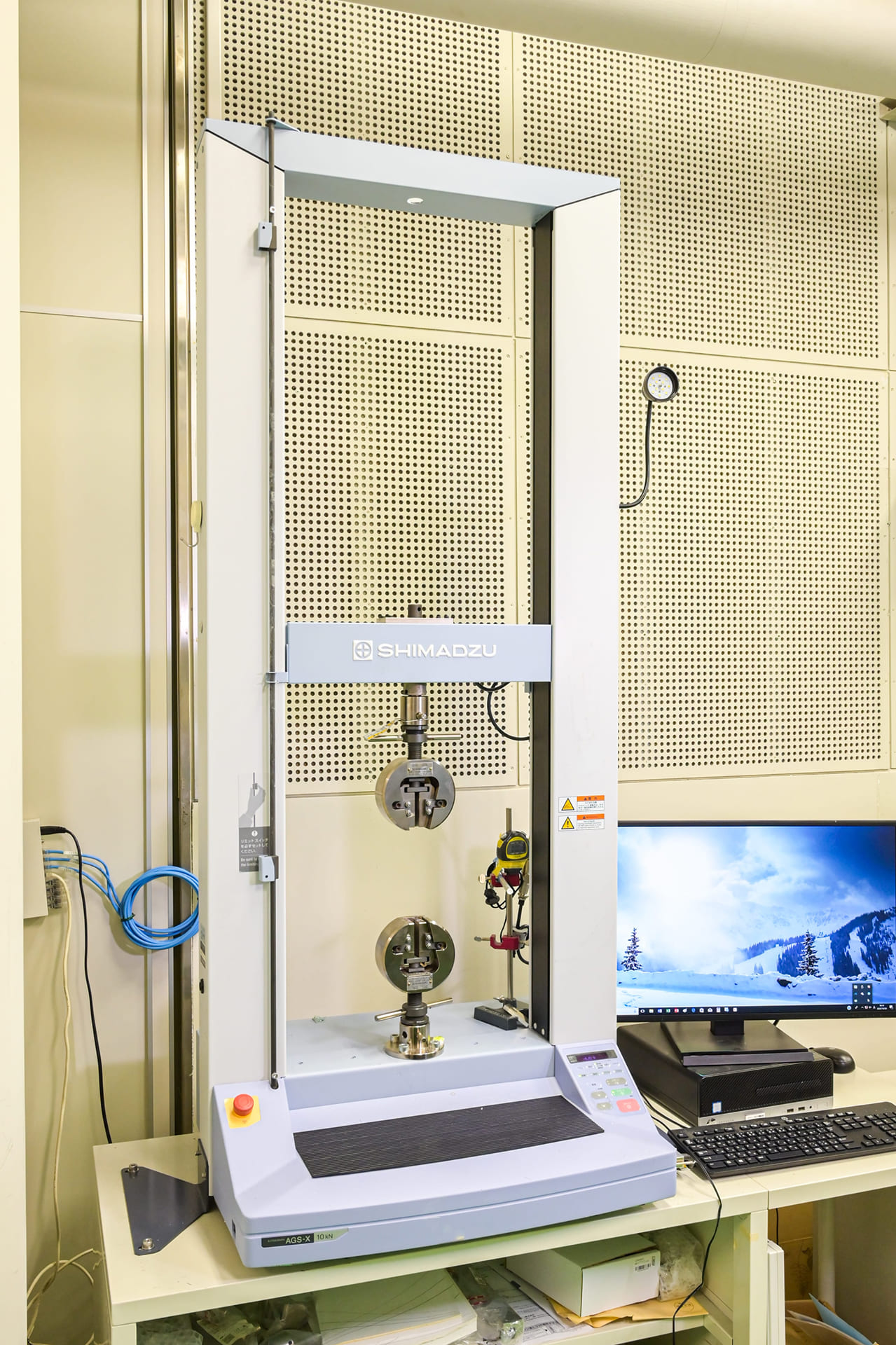
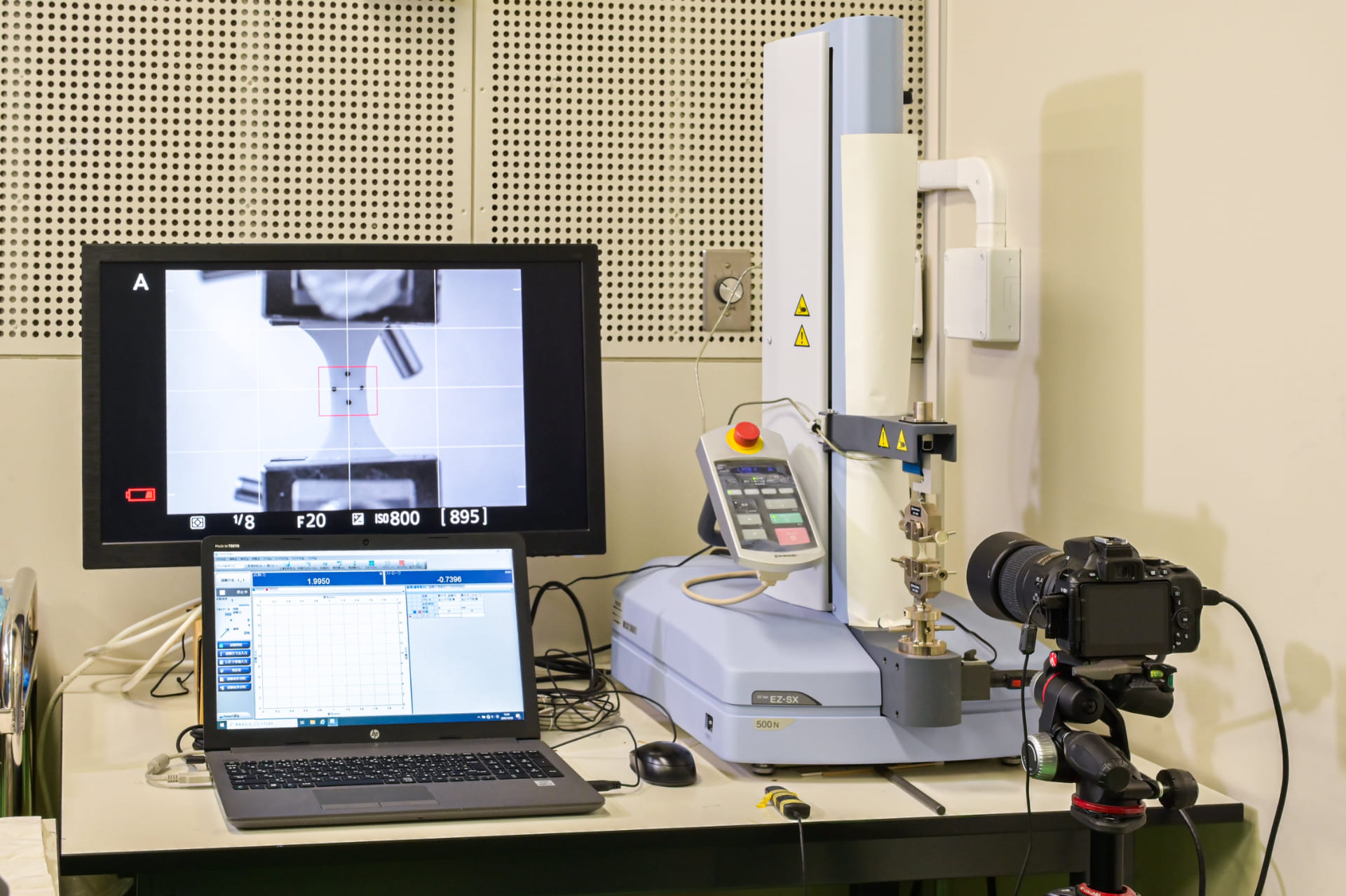
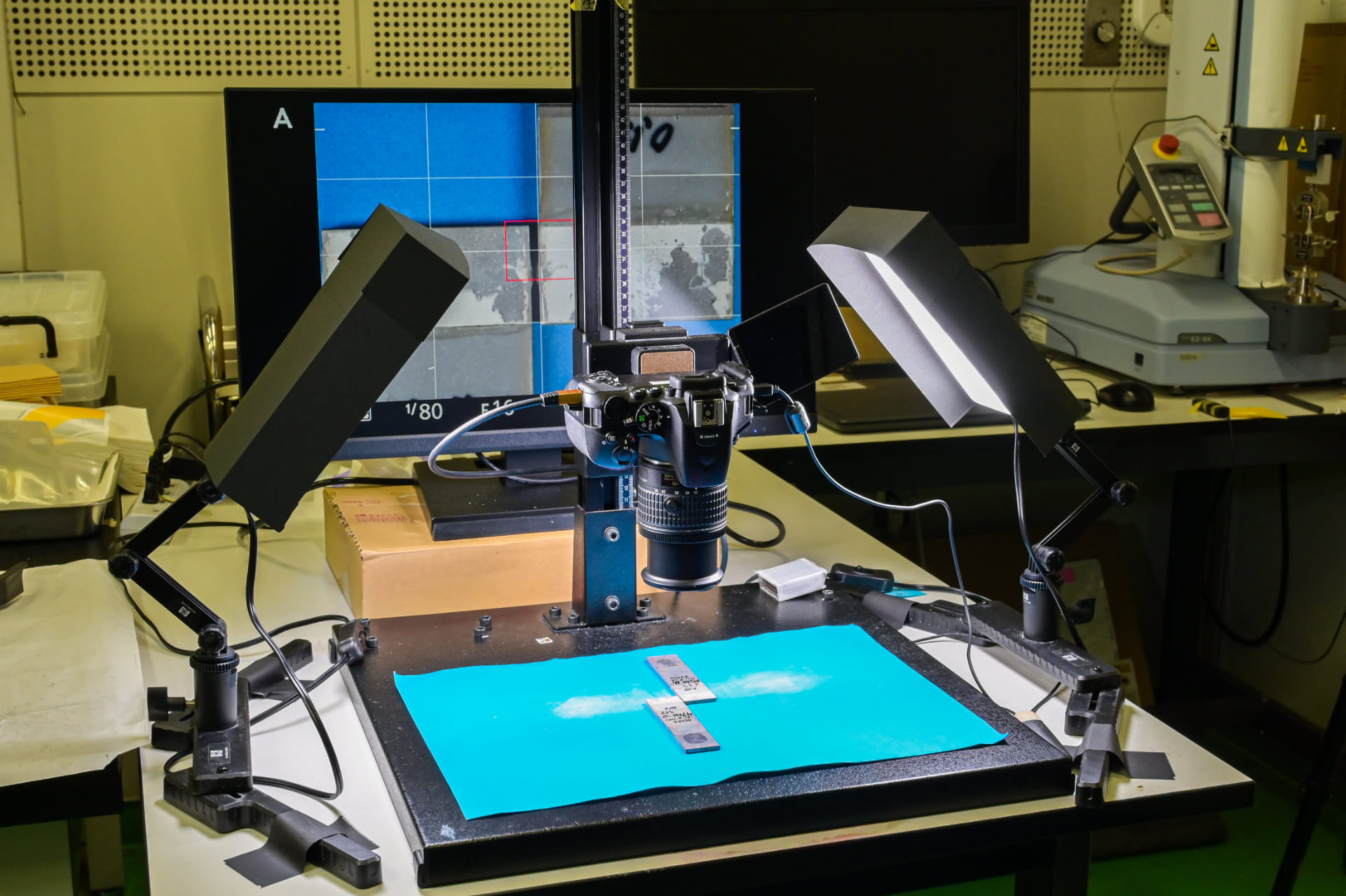 Fracture Surface Imaging Device
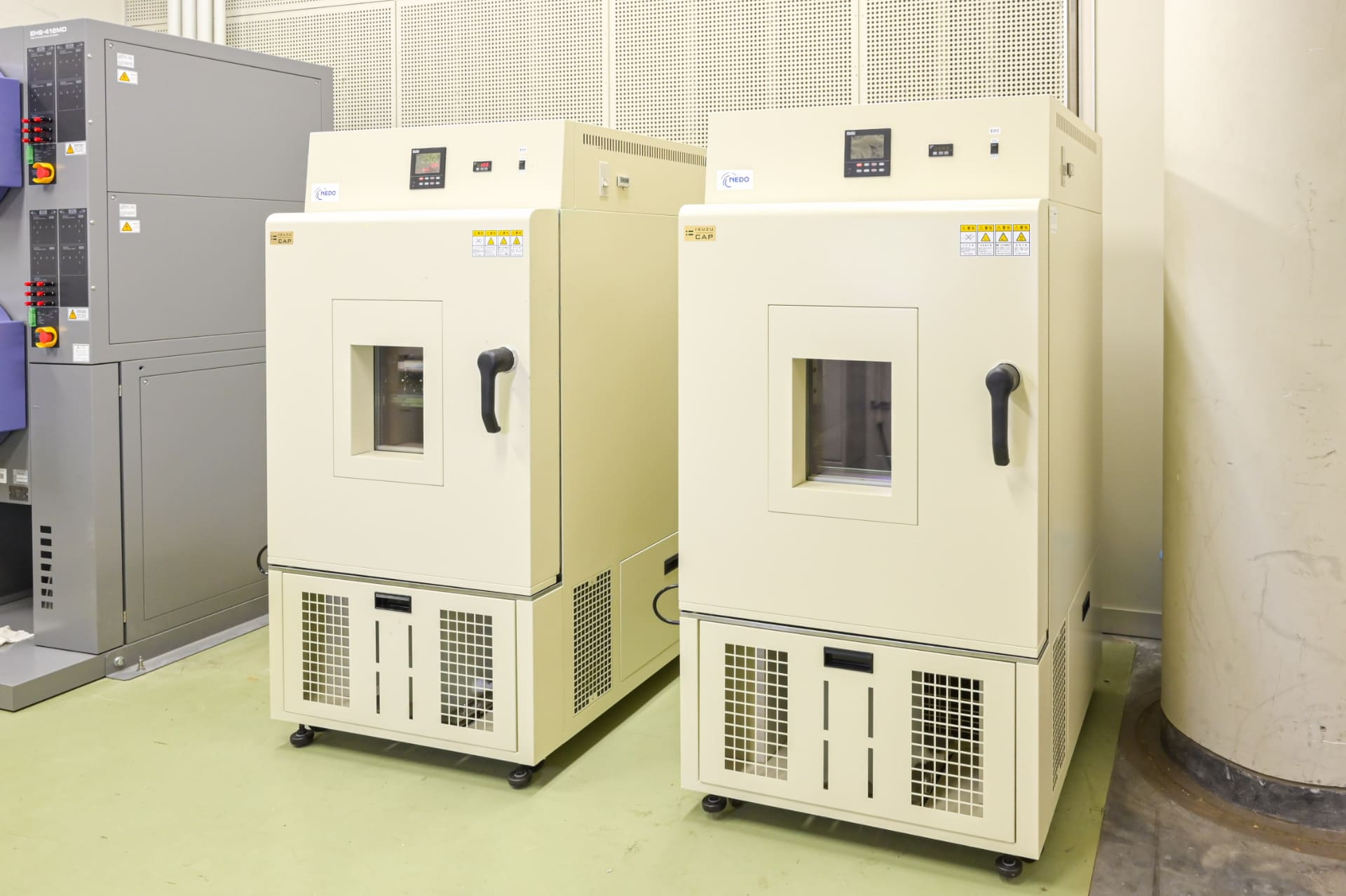 Constant Temperature and Humidity Machine
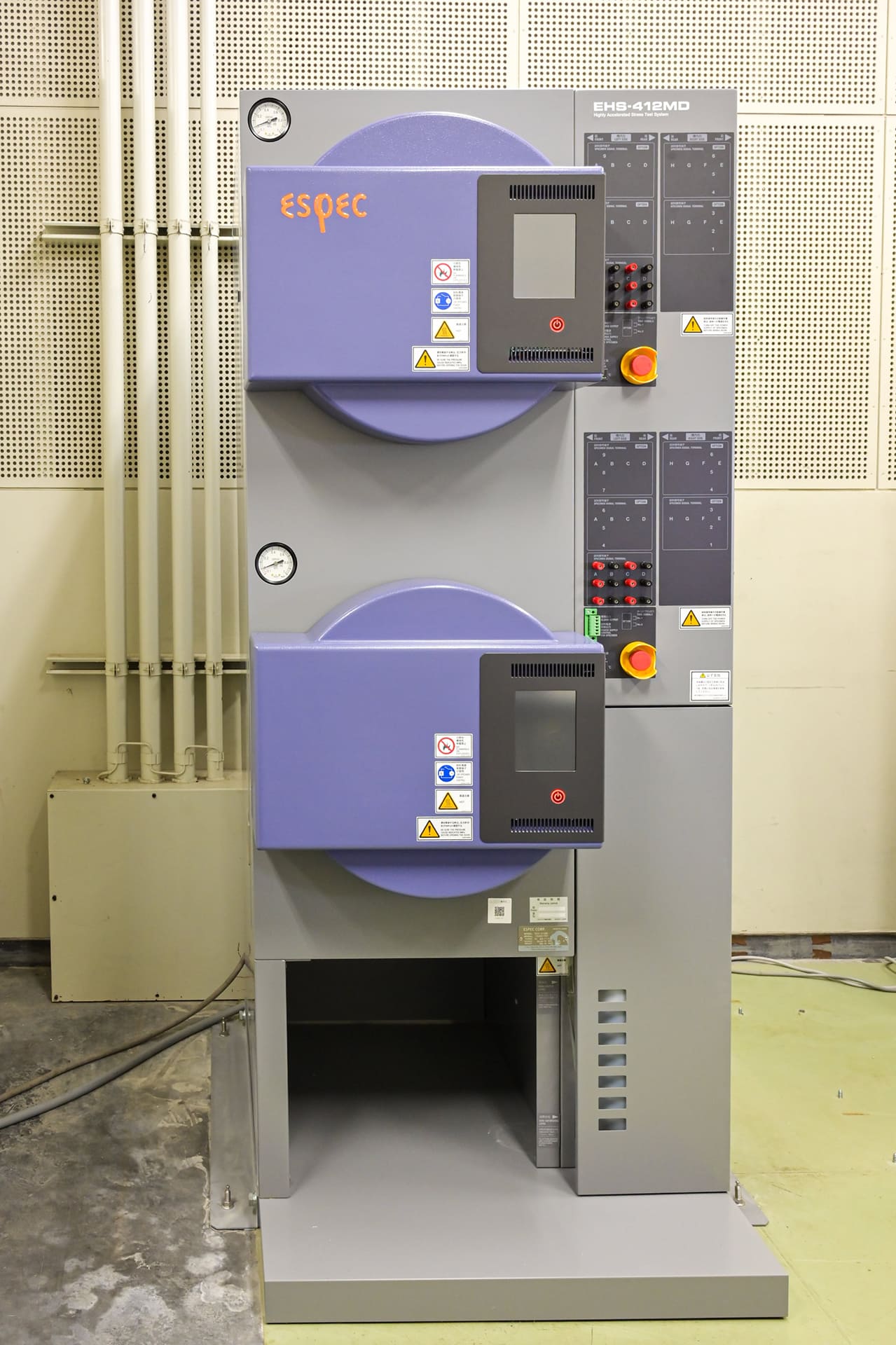 HAST Chamber
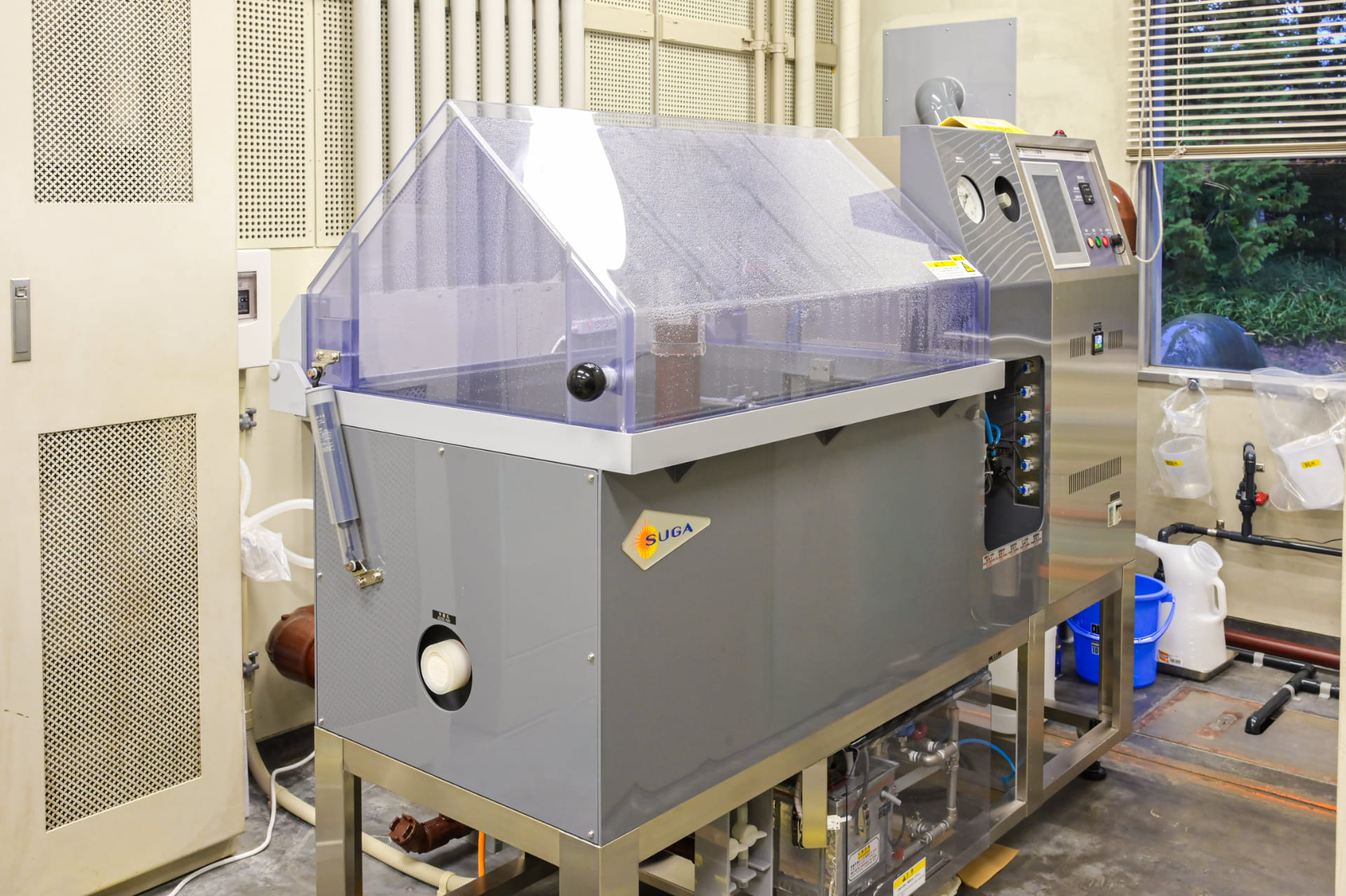 Salt Spray Test Chamber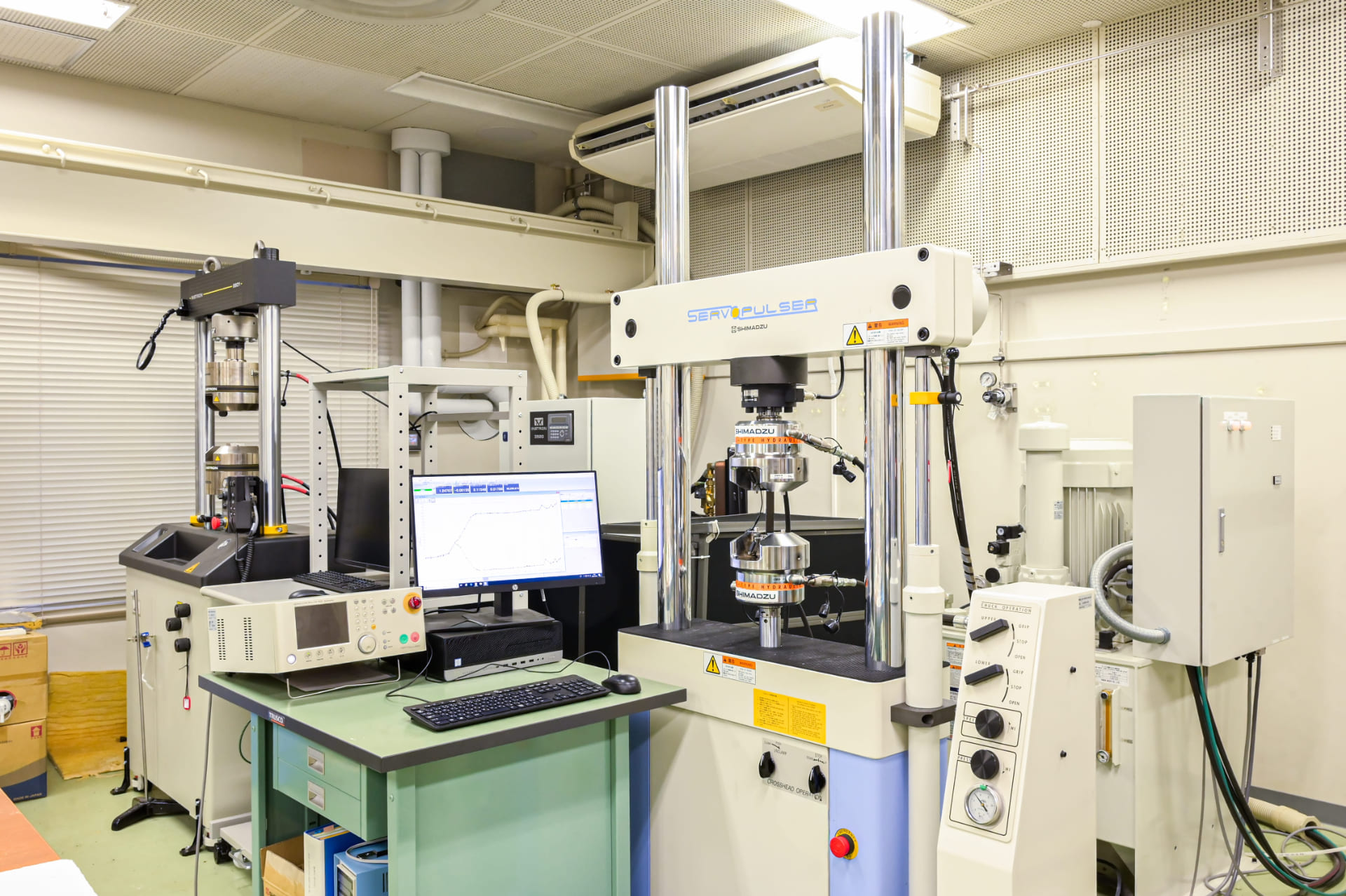
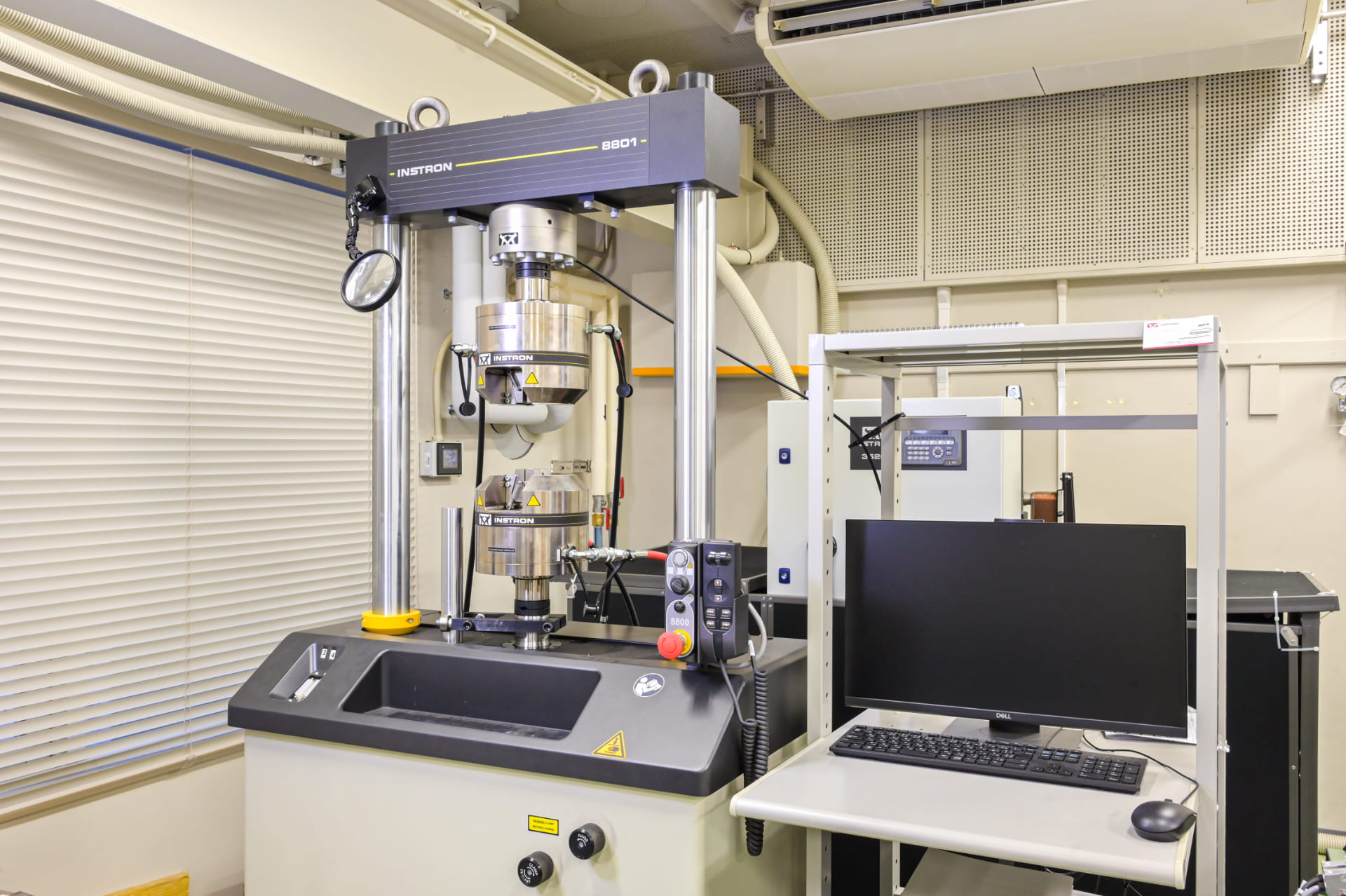 Fatigue Testing Machine
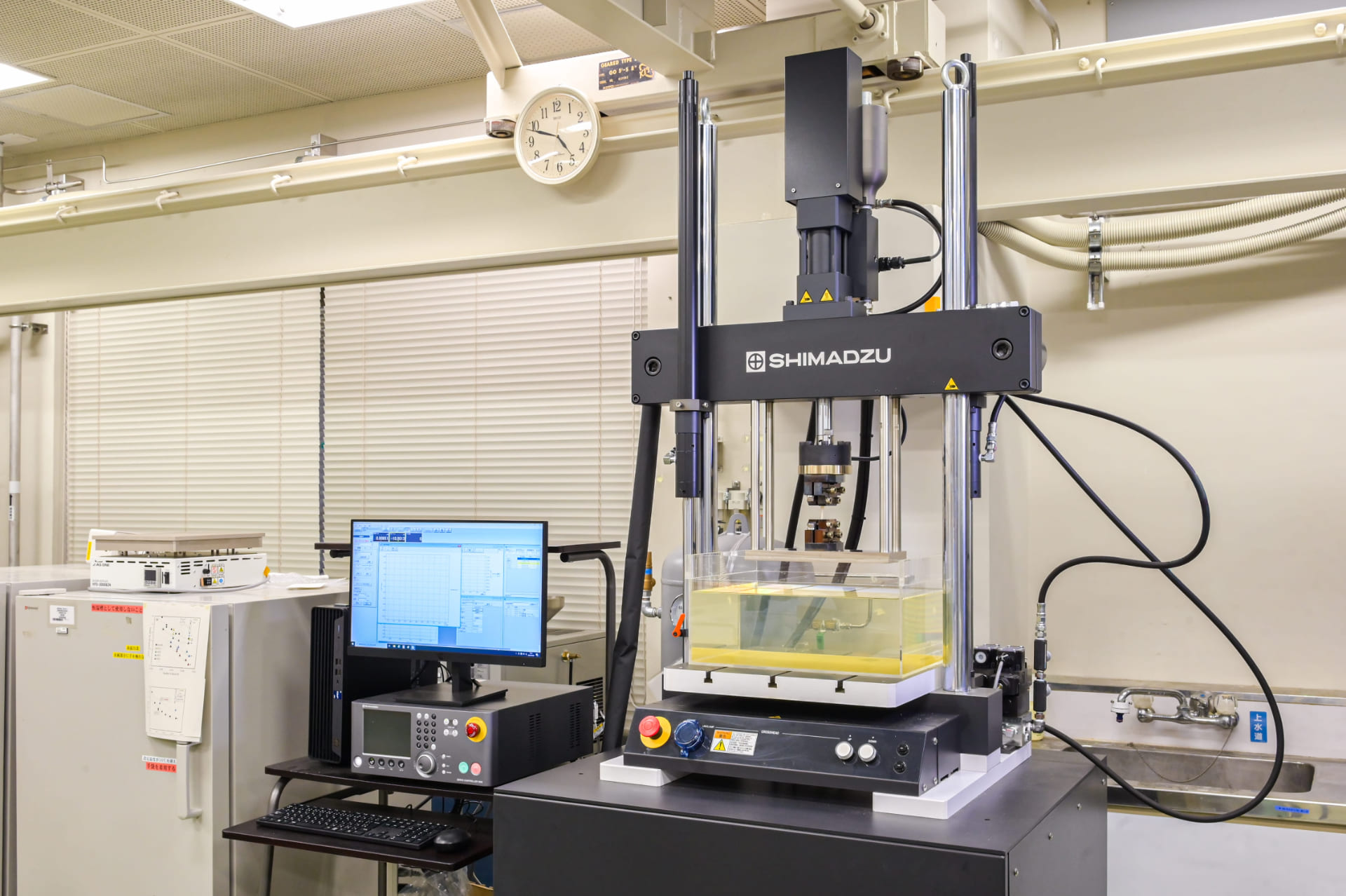 DCB Tester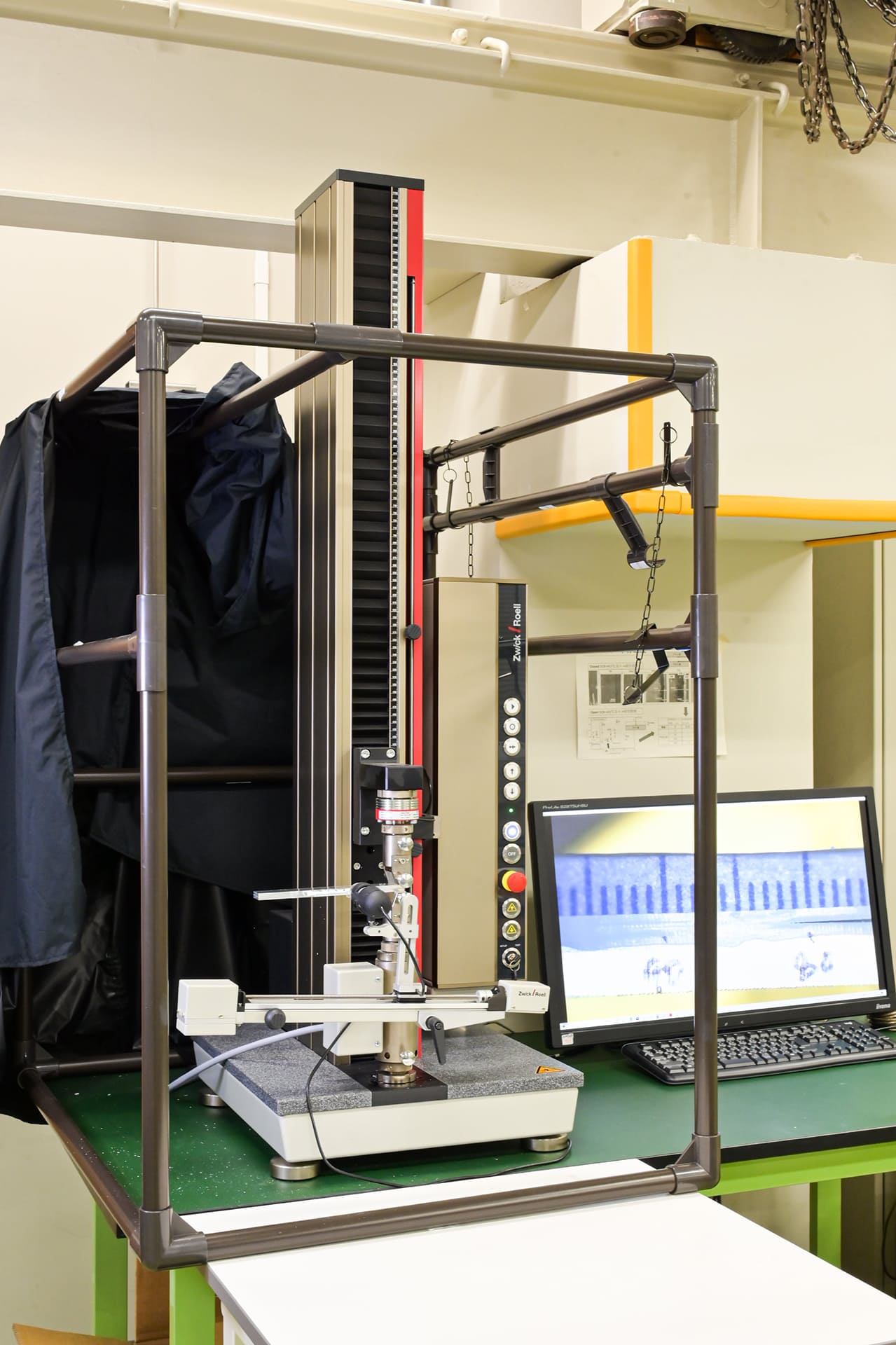
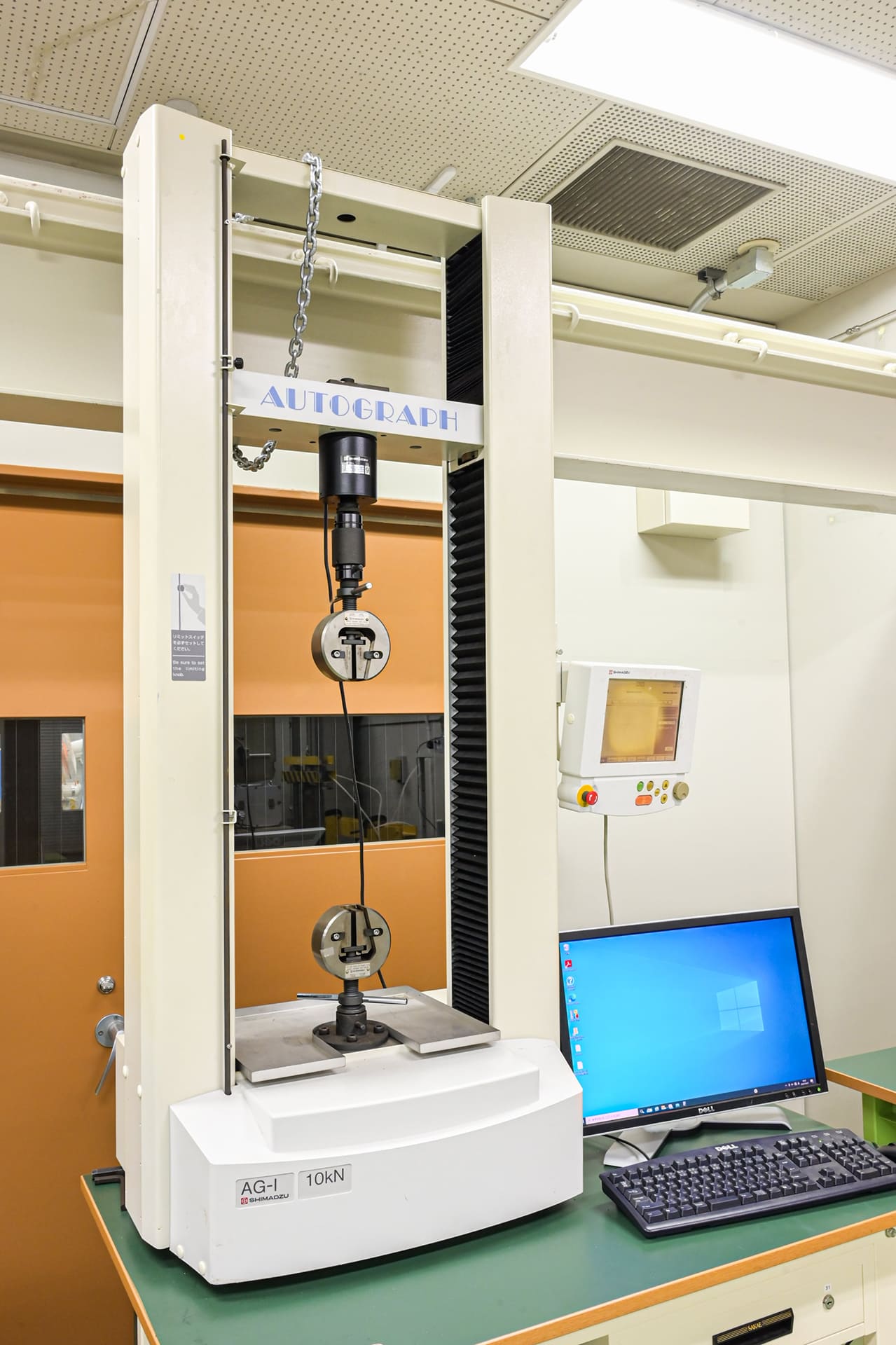
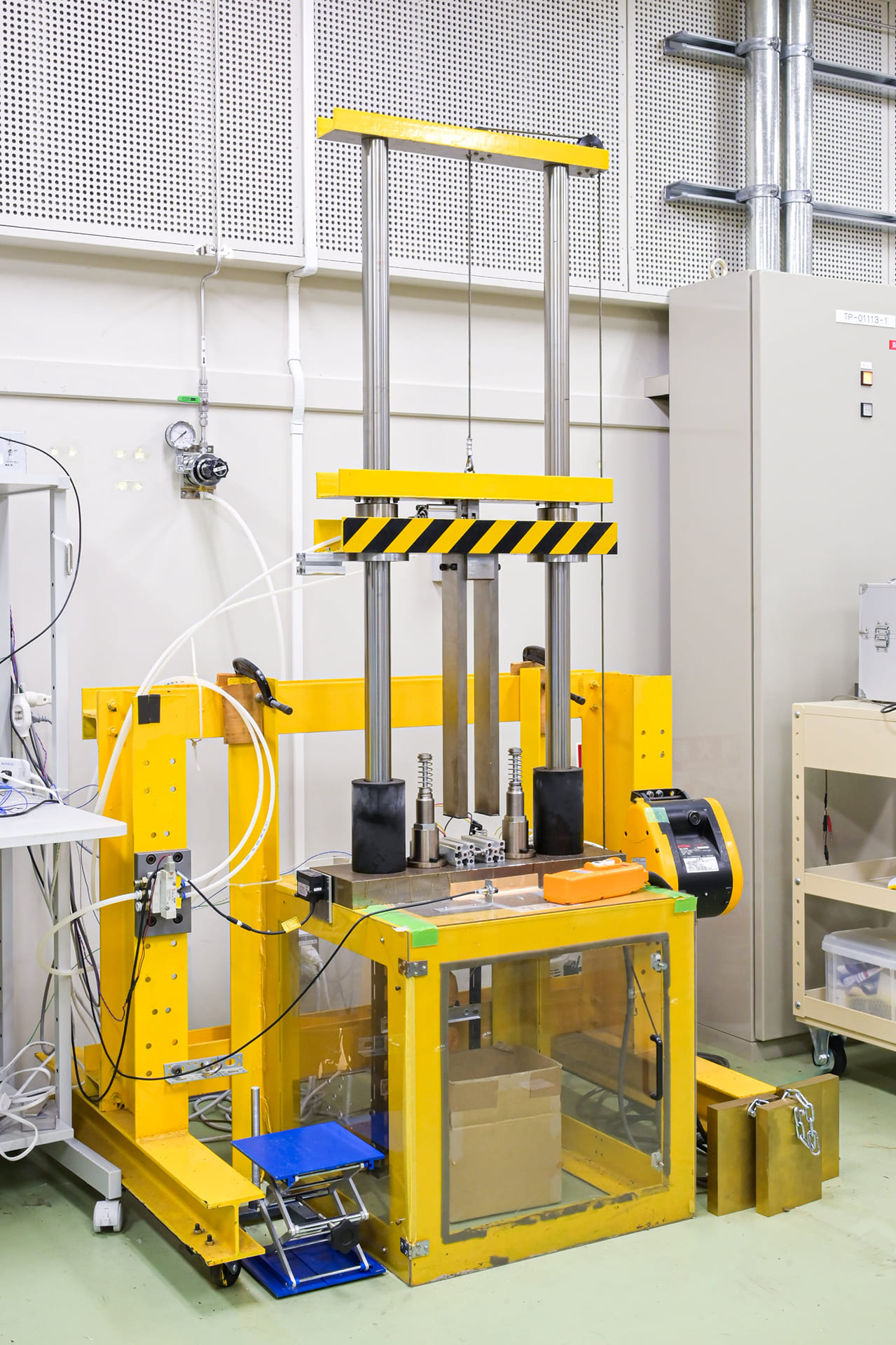
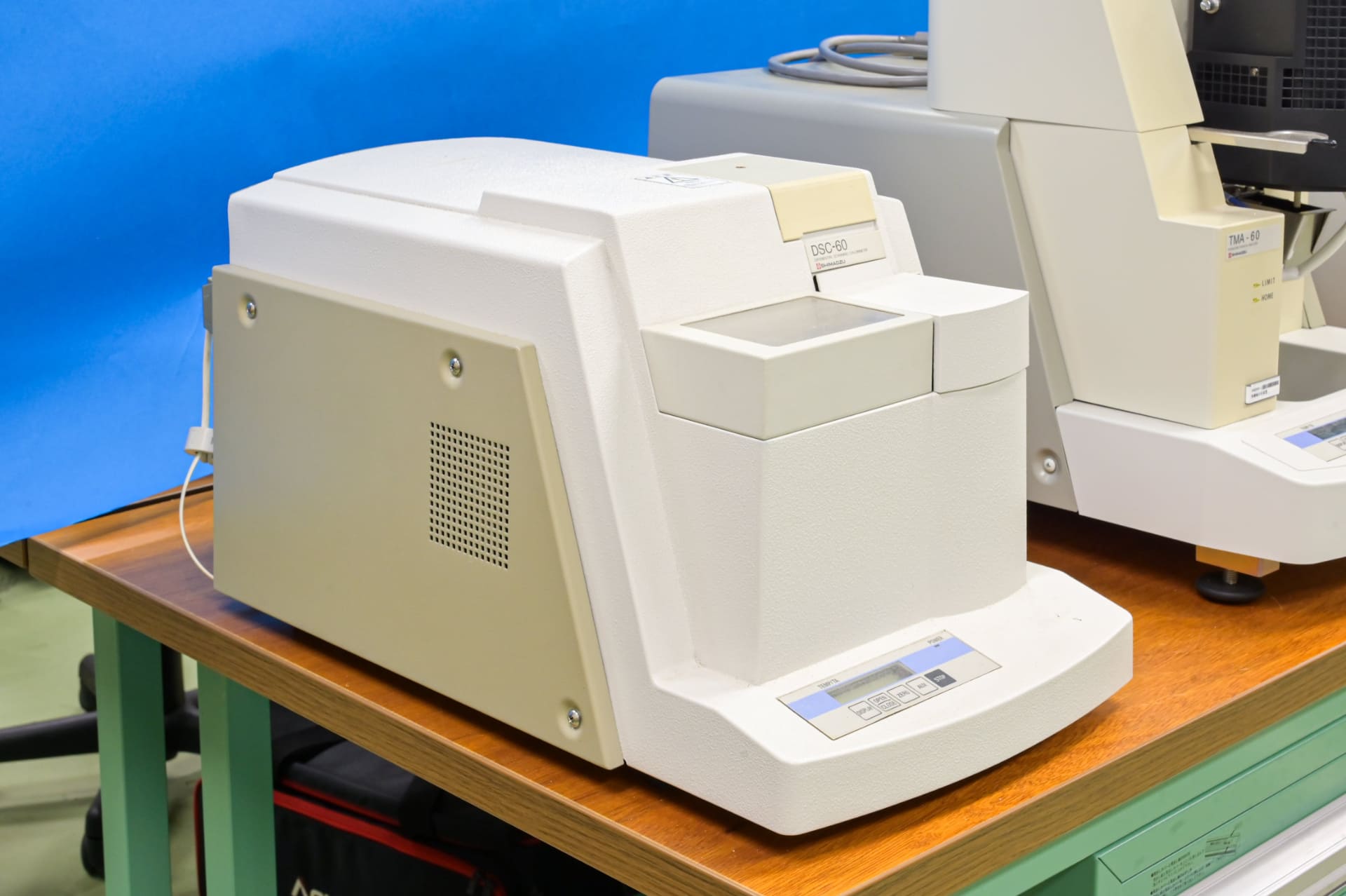 DSC-60 Differential Scanning Calorimeter
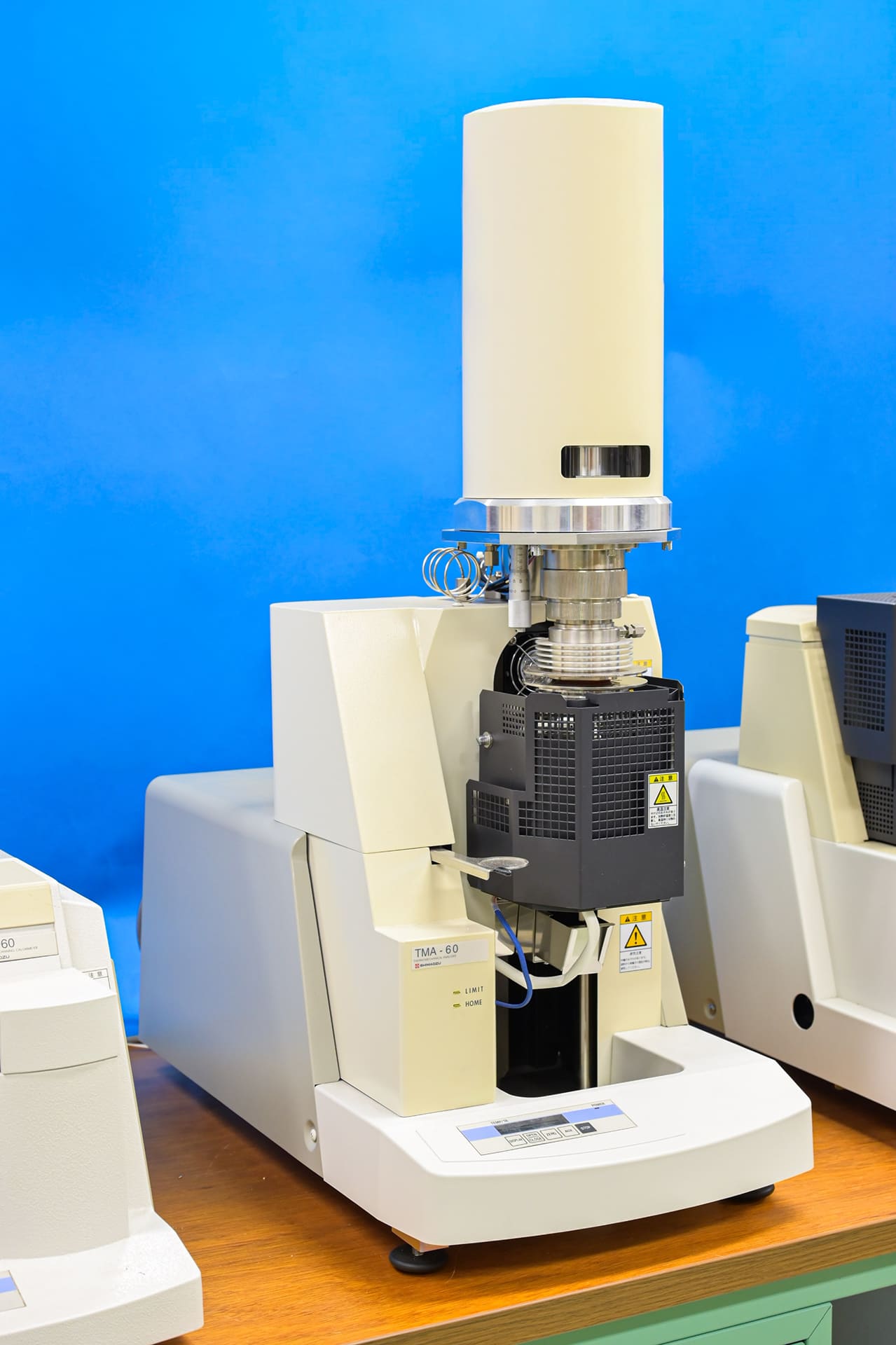 TMA-60 Thermomechanical Analyzer
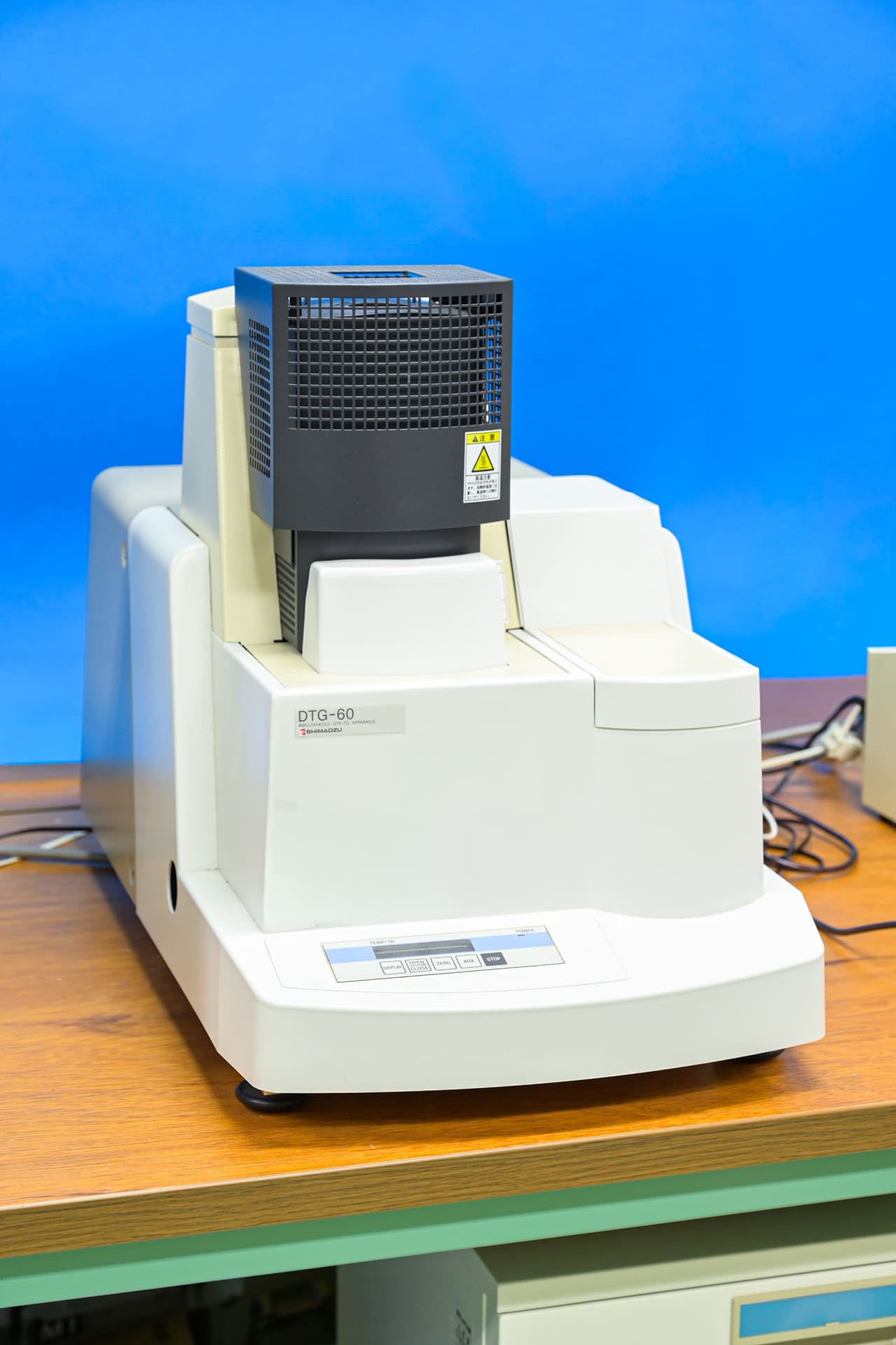 DTG-60 Differential Thermal Analysis and Thermogravimetric Analysis Simultaneous Measurement Syste