Engine Systems Research Group

Experimental Facilities for Combustion Evaluation

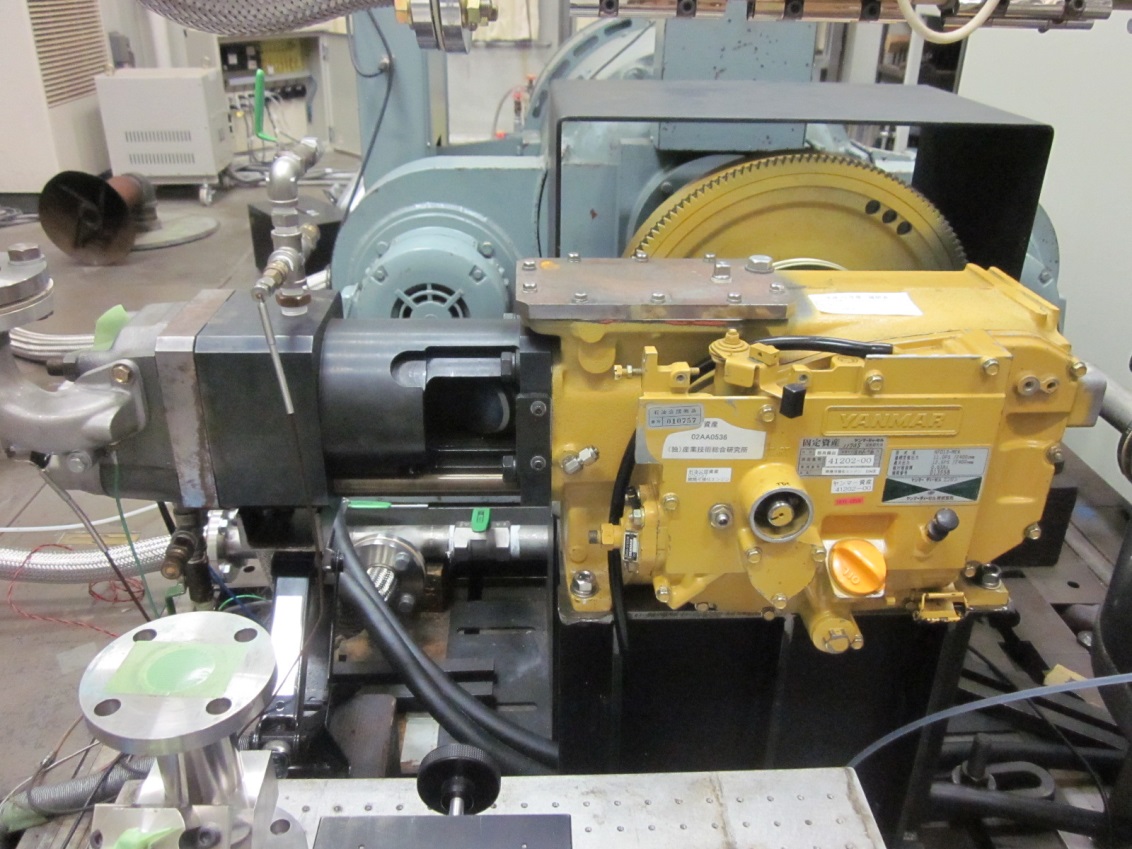
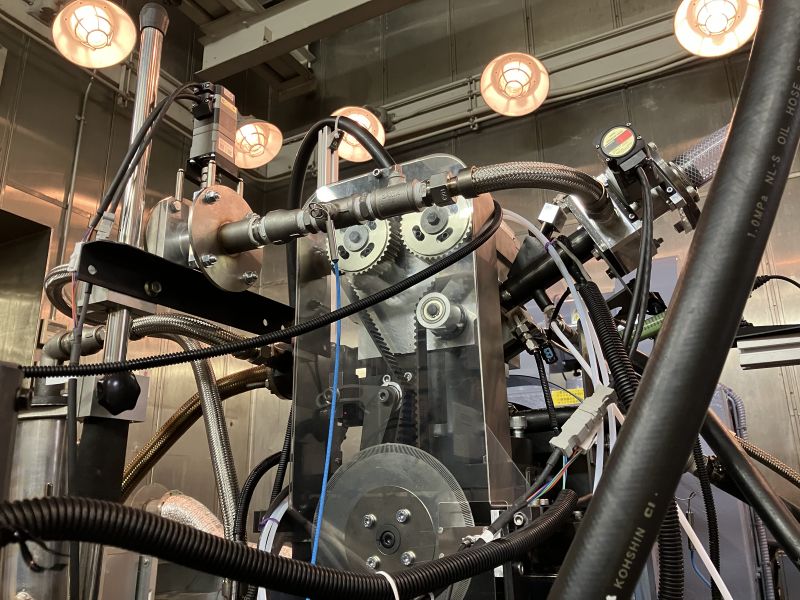
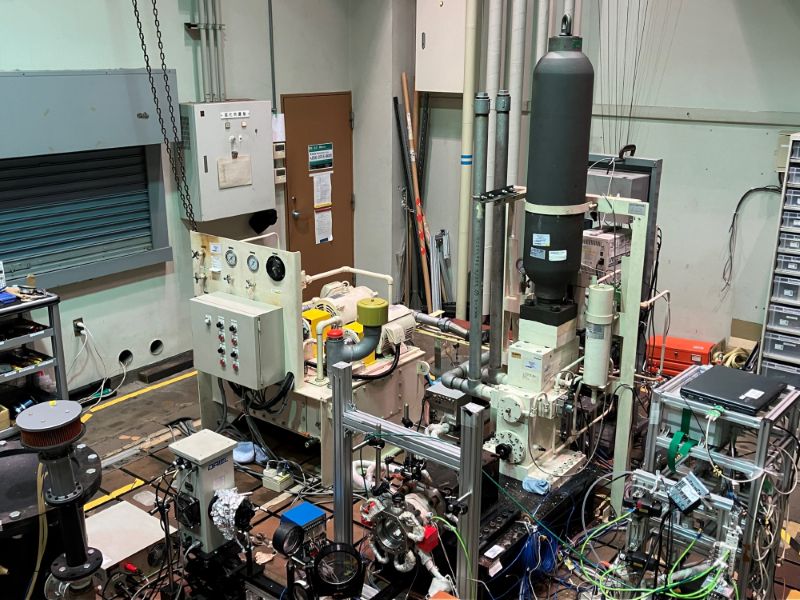
Single-Cylinder Gasoline Engine (for Combustion Evaluation)

Single-Cylinder Gasoline Engine (for Combustion Evaluation)

A direct-injection engine designed to evaluate fundamental combustion characteristics such as thermal efficiency and emissions. The system allows for adjustments of parameters including compression ratio, intake air temperature, and EGR rate.
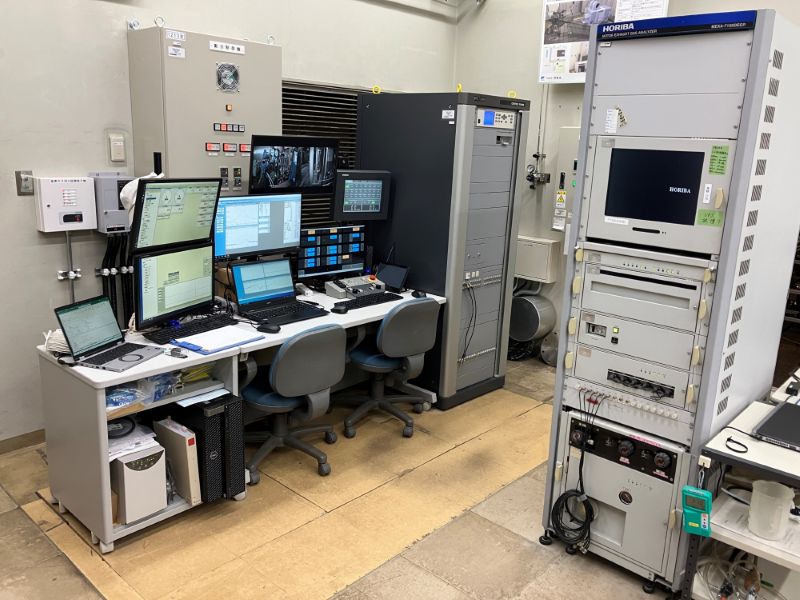
Engine Dynamometer Control Panel and Exhaust Gas Analyzers

Engine Dynamometer Control Panel and Exhaust Gas Analyzers

A control panel that enables remote setting of engine operating conditions and the execution of various measurements. In coordination with combustion analysis systems and exhaust gas analyzers, it allows real-time control and measurement.

Rapid Compression–Expansion Machine

Rapid Compression–Expansion Machine

An apparatus designed to produce a single combustion event within the cylinder. It is capable of both flame-propagation combustion of premixed gases and compression-ignition combustion. Combustion behavior can be measured using pressure sensors and a high-speed camera.

In-Cylinder Combustion Visualization

Combustion Visualization Diesel Engine

Combustion Visualization Diesel Engine

Using an extended piston/cylinder configuration, direct-injection diesel combustion can be visualized from a bottom view with a high-speed video camera.

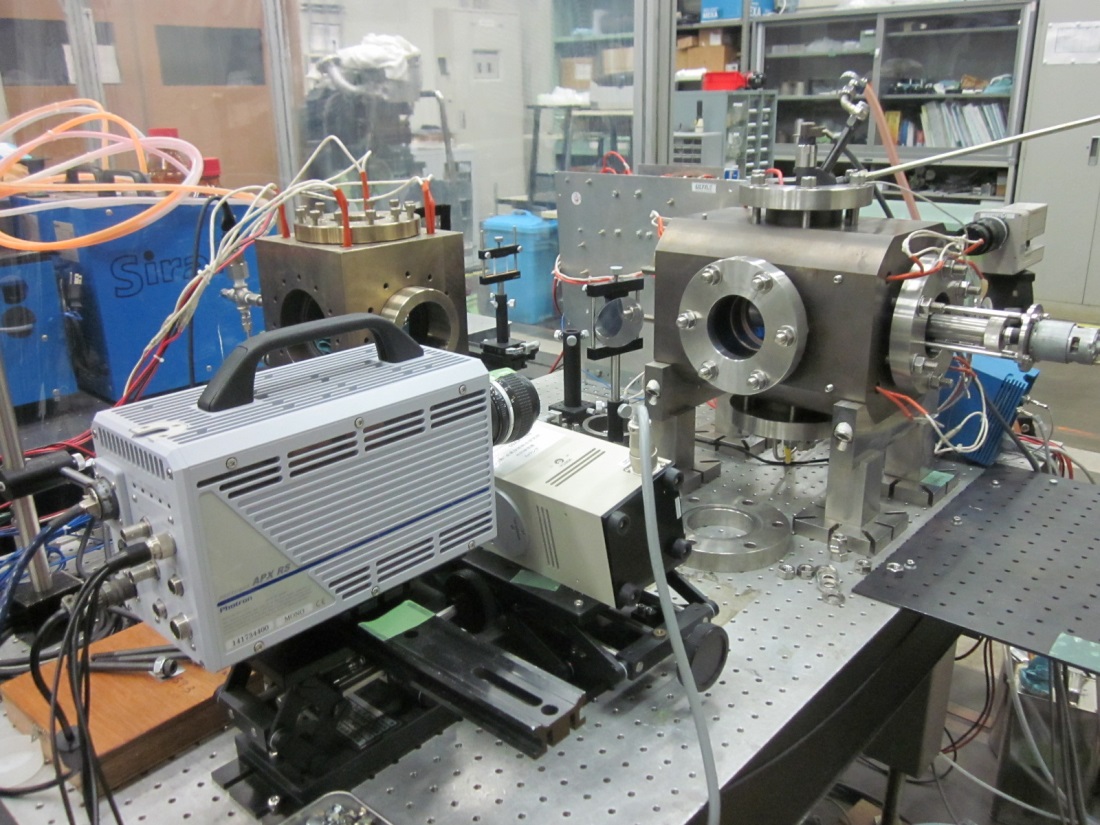
Constant-Volume Combustion Chamber for Fuel Spray Observation

Constant-Volume Combustion Chamber for Fuel Spray Observation

A high-temperature and high-pressure environment is created by supplying a premixed gas with an adjusted air–fuel ratio to a separate chamber and igniting it, thereby increasing temperature and pressure. Fuel is injected at the moment when the preset ambient conditions are reached, and the fuel spray development process can be observed using a high-speed video camera.

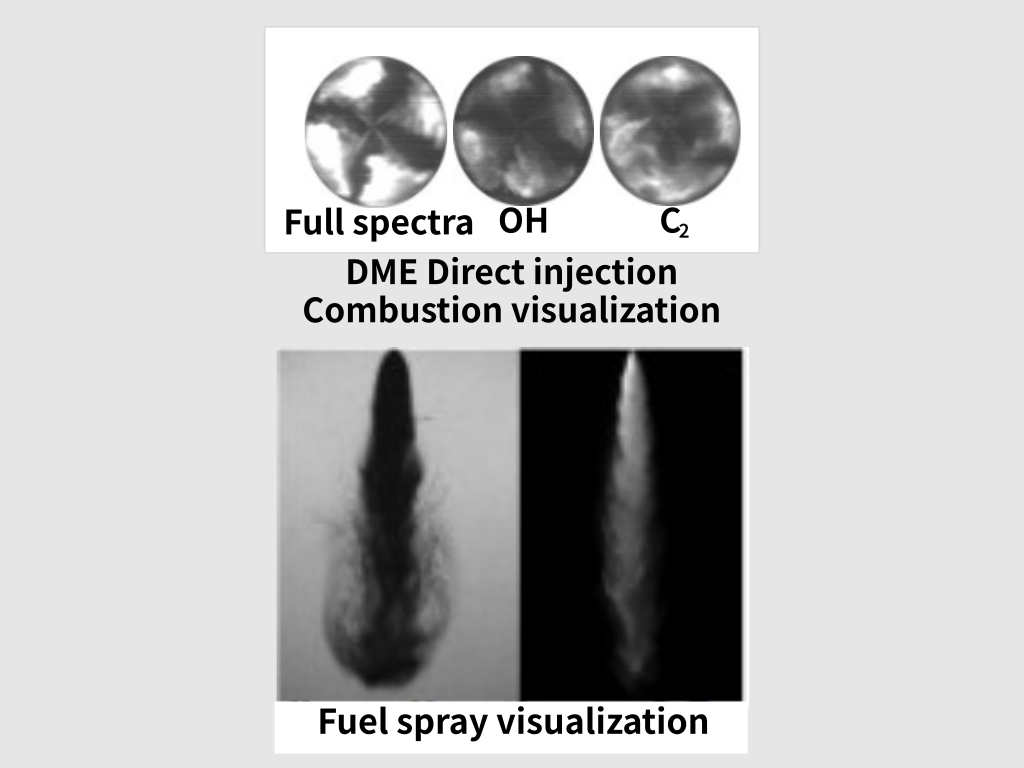
Observation of Combustion and Sprays

Observation of Combustion and Sprays

(Top) Visible-light, OH radical chemiluminescence, and C₂ radical chemiluminescence images of dimethyl ether (DME) diesel combustion observed using a combustion visualization diesel engine.
(Bottom) Gas–liquid phase spray and liquid-phase spray of DME fuel observed in a constant-volume combustion chamber.

Spray Measurements Using Advanced X-ray Diagnostic Techniques

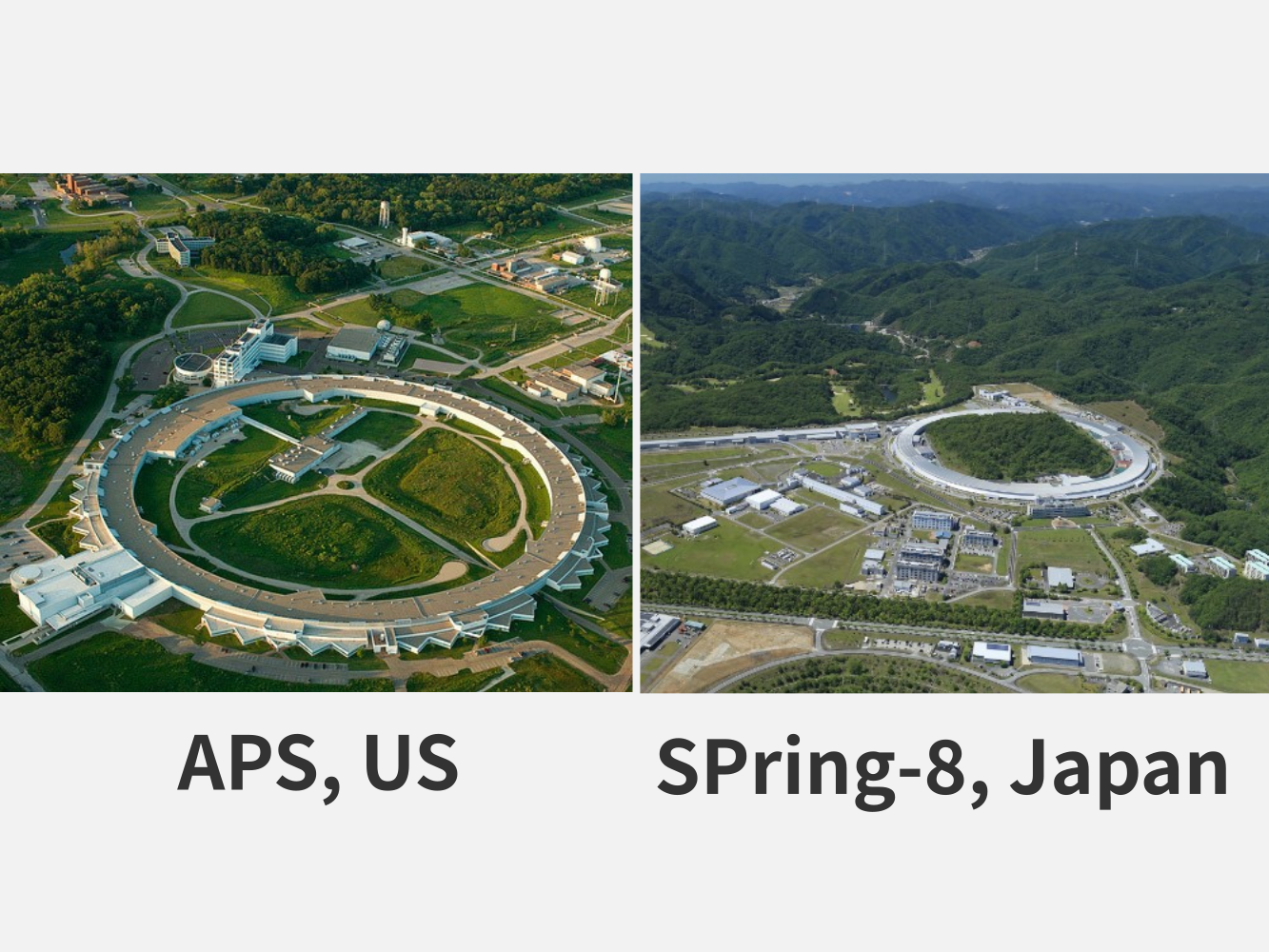
Synchrotron X-ray Light Sources

Synchrotron X-ray Light Sources

Fuel spray measurement techniques using synchrotron X-rays at facilities such as SPring-8 and Argonne National Laboratory (USA).

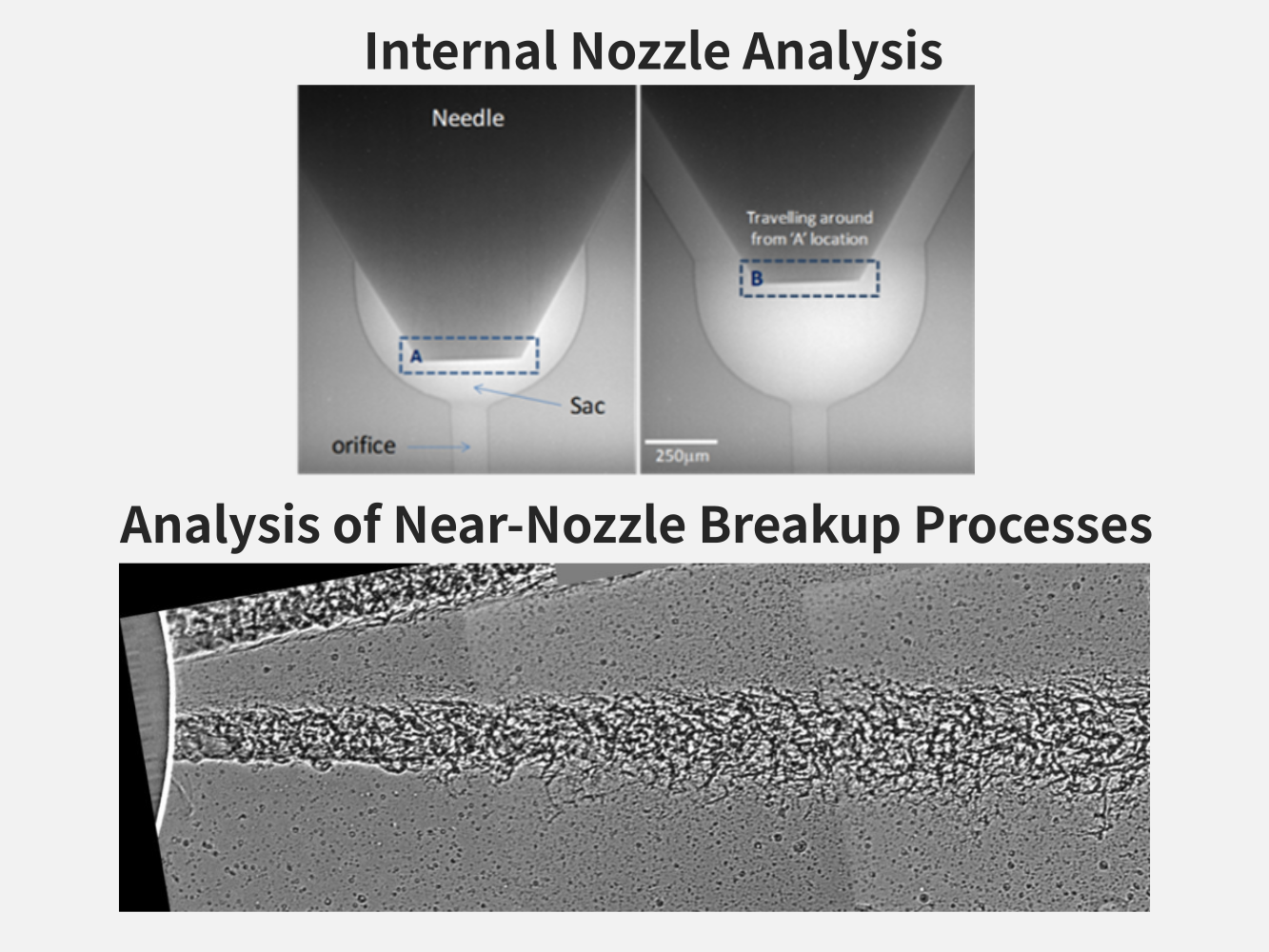
Internal Nozzle and Near-Nozzle Breakup Processes

Internal Nozzle and Near-Nozzle Breakup Processes

Visualization and quantitative analysis of fuel behavior in regions of high density and velocity inside the nozzle and immediately downstream of fuel injection.

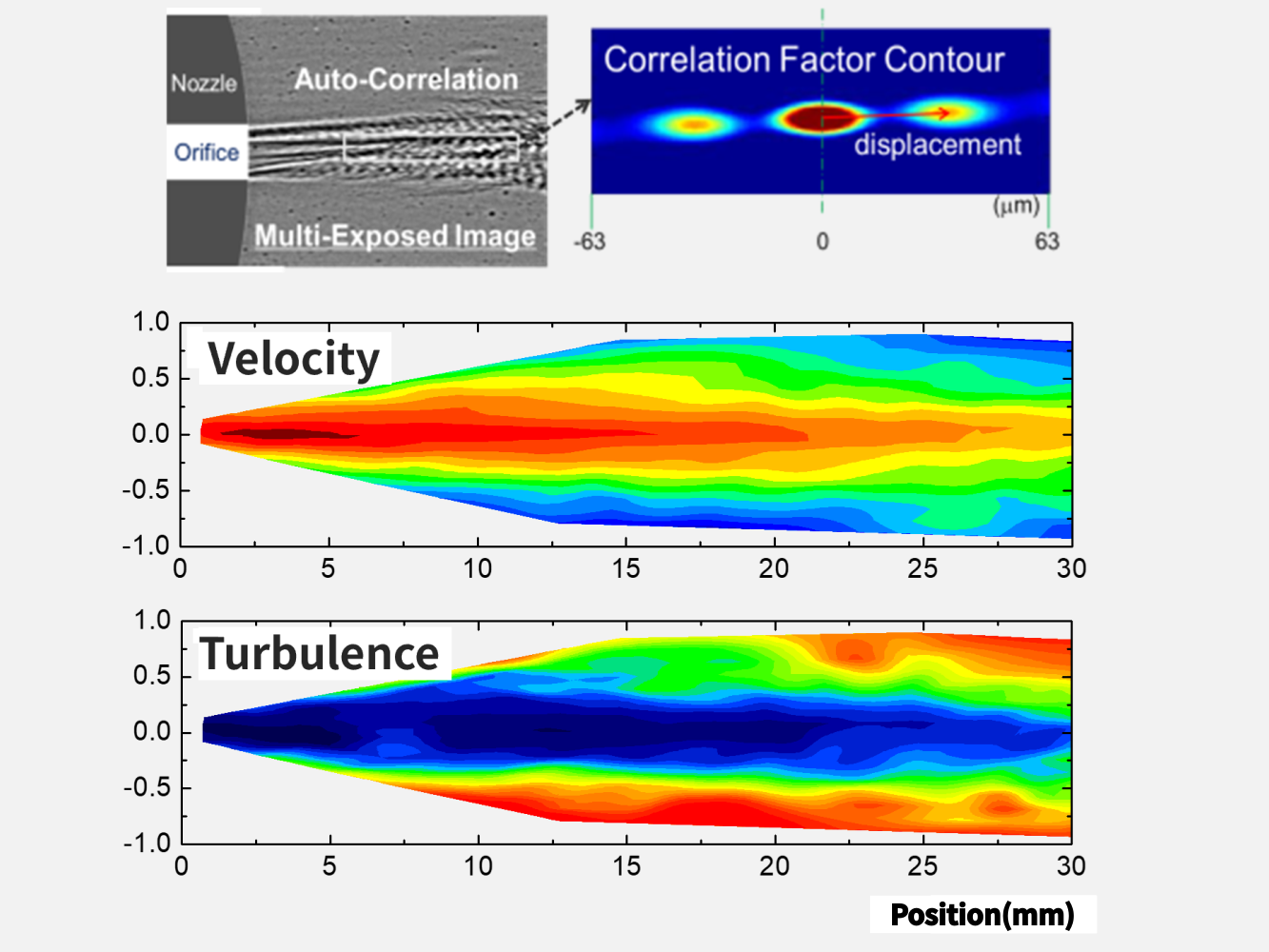
Dynamic Analysis of Near-Nozzle Spray Behavior

Dynamic Analysis of Near-Nozzle Spray Behavior

Dynamic analysis of fuel sprays in the near-nozzle region for the development of new spray models.

Catalyst Activity and Combustion Evaluation Systems

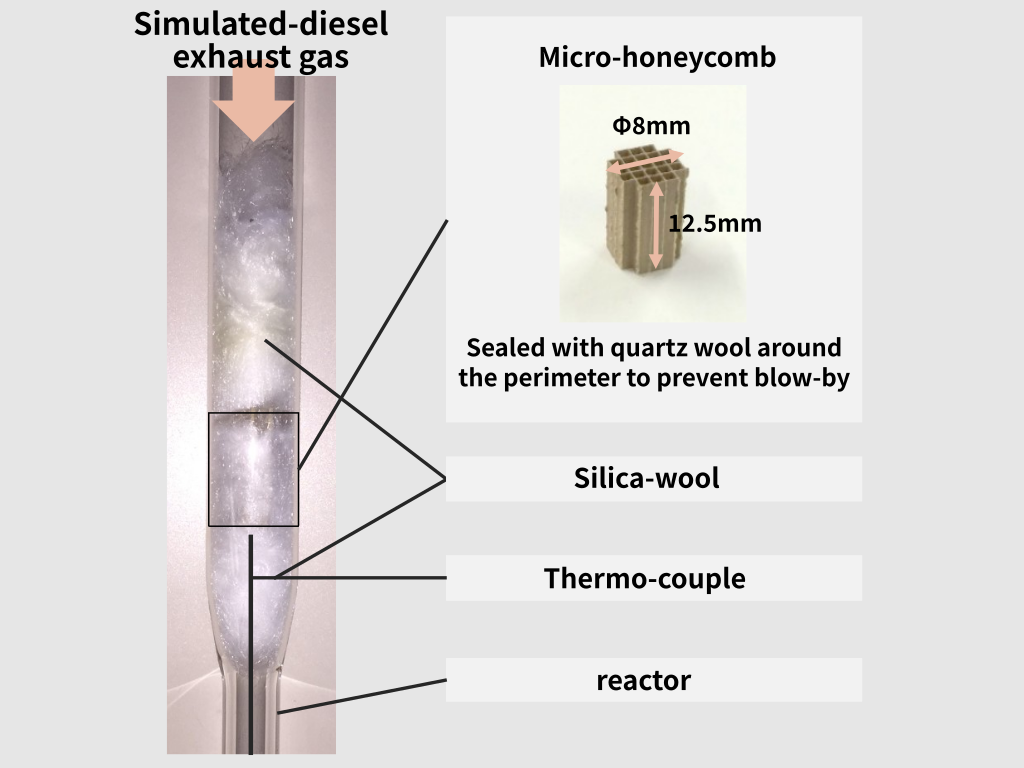
Catalyst Samples

Catalyst Samples

To evaluate catalyst performance at approximately one ten-thousandth of actual engine operating conditions, small samples known as micro-honeycombs are placed in a reactor and used for reaction testing.

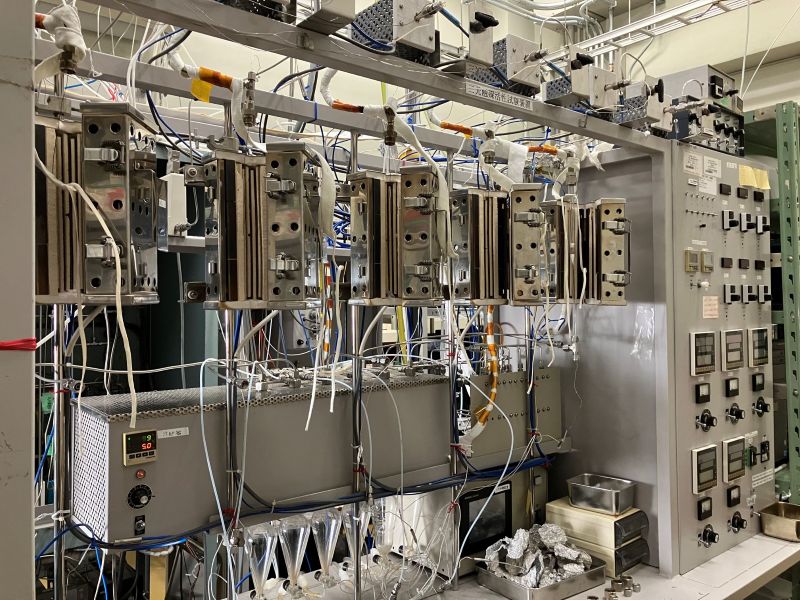
Catalyst Activity Evaluation System

Catalyst Activity Evaluation System

A system capable of evaluating the performance of catalysts that purify harmful chemical components contained in diesel vehicle exhaust gases, such as nitrogen oxides and unburned hydrocarbons.

Flow Reactor

Flow Reactor

A flow reactor for evaluating the fundamental combustion characteristics of fuels. It enables quantitative evaluation of low-molecular-weight hydrocarbons and polycyclic aromatic hydrocarbons generated during the combustion process.

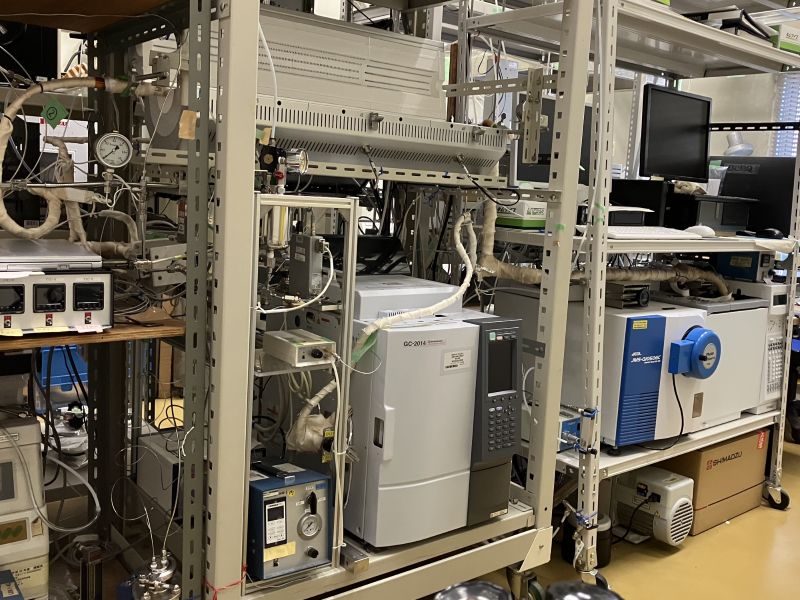
Analytical Instruments

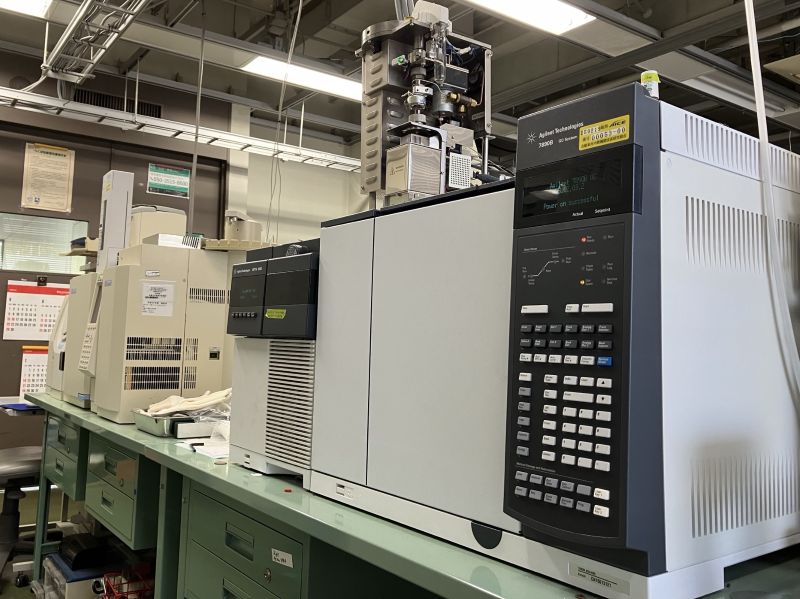
Chemical Analysis Instruments

Chemical Analysis Instruments

Equipped with gas chromatographs (GC), gas chromatography–mass spectrometers (GC-MS), high-performance liquid chromatographs (HPLC), and other analytical instruments. These systems enable the analysis of fuels, exhaust gases, and deposit components.

X-ray Computed Tomography (CT)

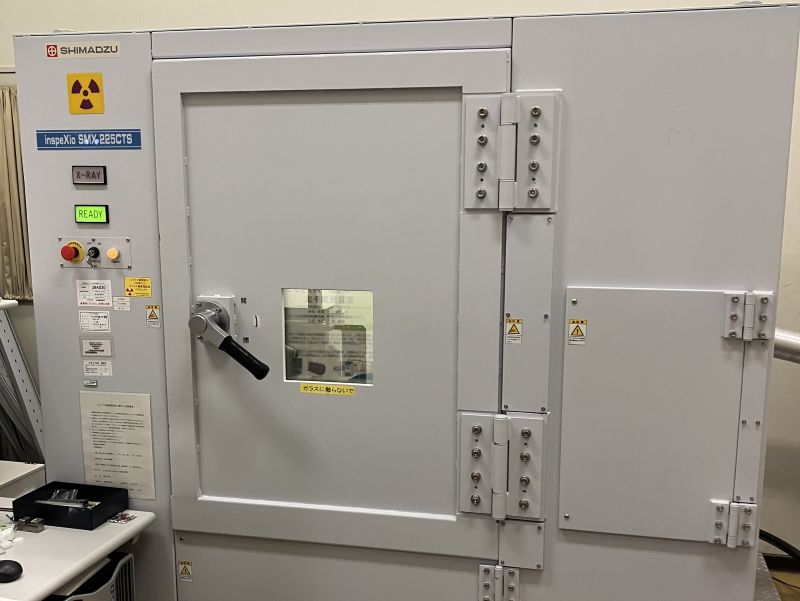
X-ray Computed Tomography (CT)

Equipped with an industrial X-ray CT system that enables non-destructive visualization of the internal structures of automotive components. Measurement examples include the internal structure of fuel injectors and ash components deposited in diesel particulate filters (DPFs).

Fuel Analysis Instruments

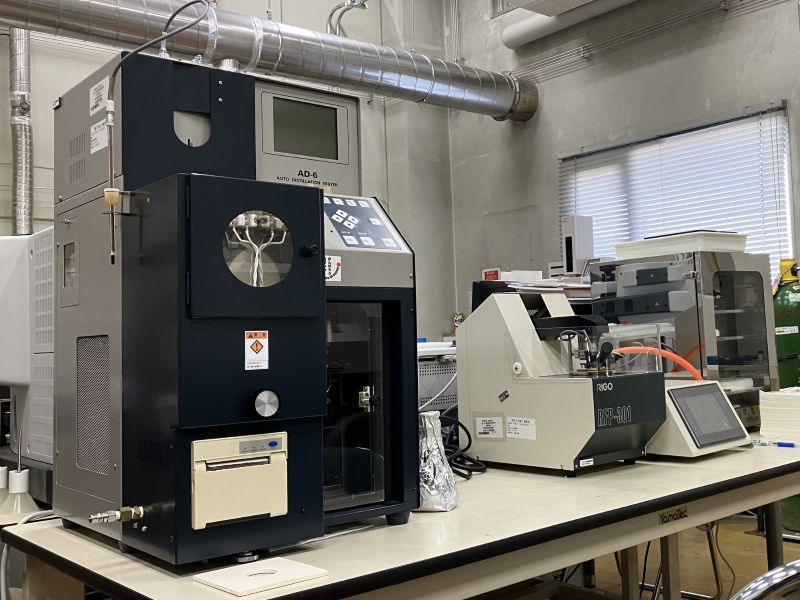
Fuel Analysis Instruments

Equipped with instruments for measuring fuel density, distillation characteristics, PONA analysis for gasoline fuels, flash point of diesel fuels, and cold flow properties such as pour point, cloud point, and cold filter plugging point (CFPP). These instruments enable the analysis of carbon-neutral fuels.

Test Course and Chassis Dynamometer

Test Course

Test Course

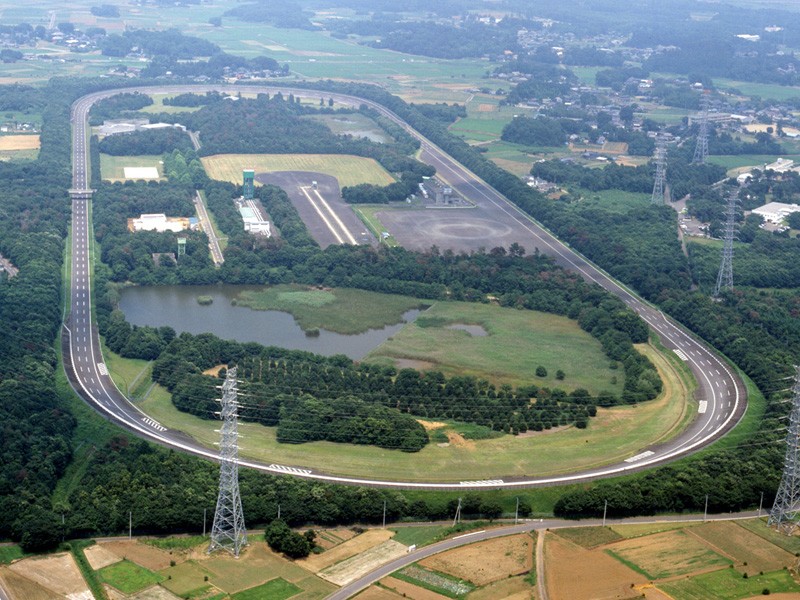
The test course has a total length of 3,200 m, including a 750 m straight section. It enables measurements of vehicle running resistance through coast-down tests, as well as various driving mode tests using onboard measurement systems.

Chassis Dynamometer

Chassis Dynamometer

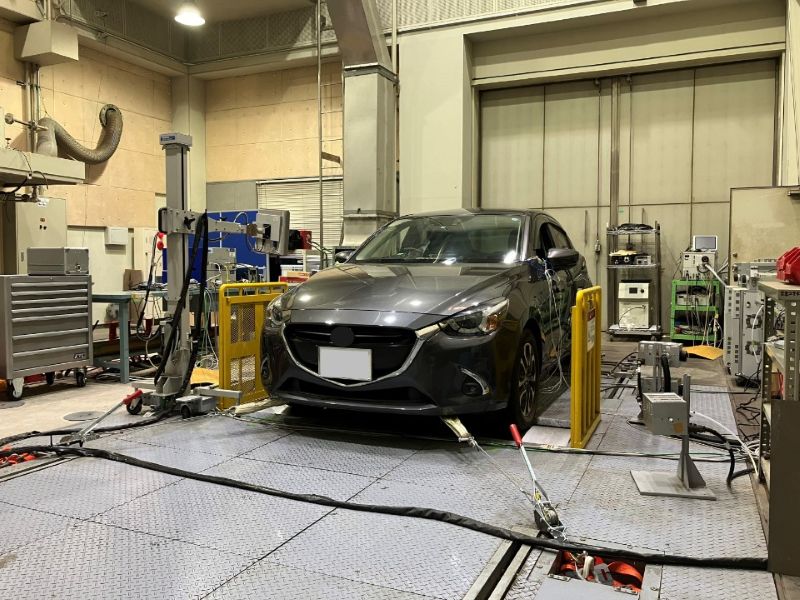
Vehicle performance can be evaluated in a laboratory environment by simulating actual driving conditions through exhaust emissions and fuel economy evaluation tests under driving modes such as the WLTC, as well as steady-state driving tests. Note: Currently out of operation.

Onboard-Deployable Measurement System

Onboard-Deployable Measurement System

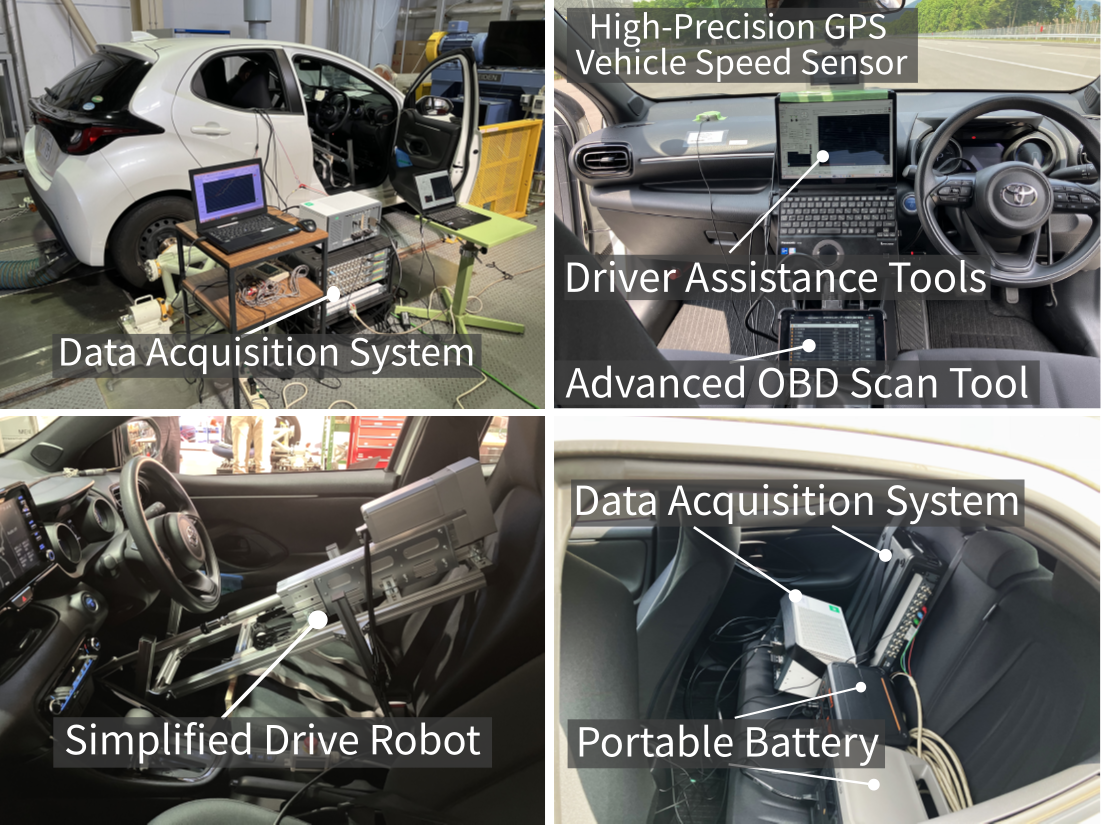
Using a portable measurement system that can be deployed both on the test course and on the chassis dynamometer, various powertrain-related data can be acquired.

Carbon-Recycled Fuel Synthesis

Small-Scale Reactor

Small-Scale Reactor

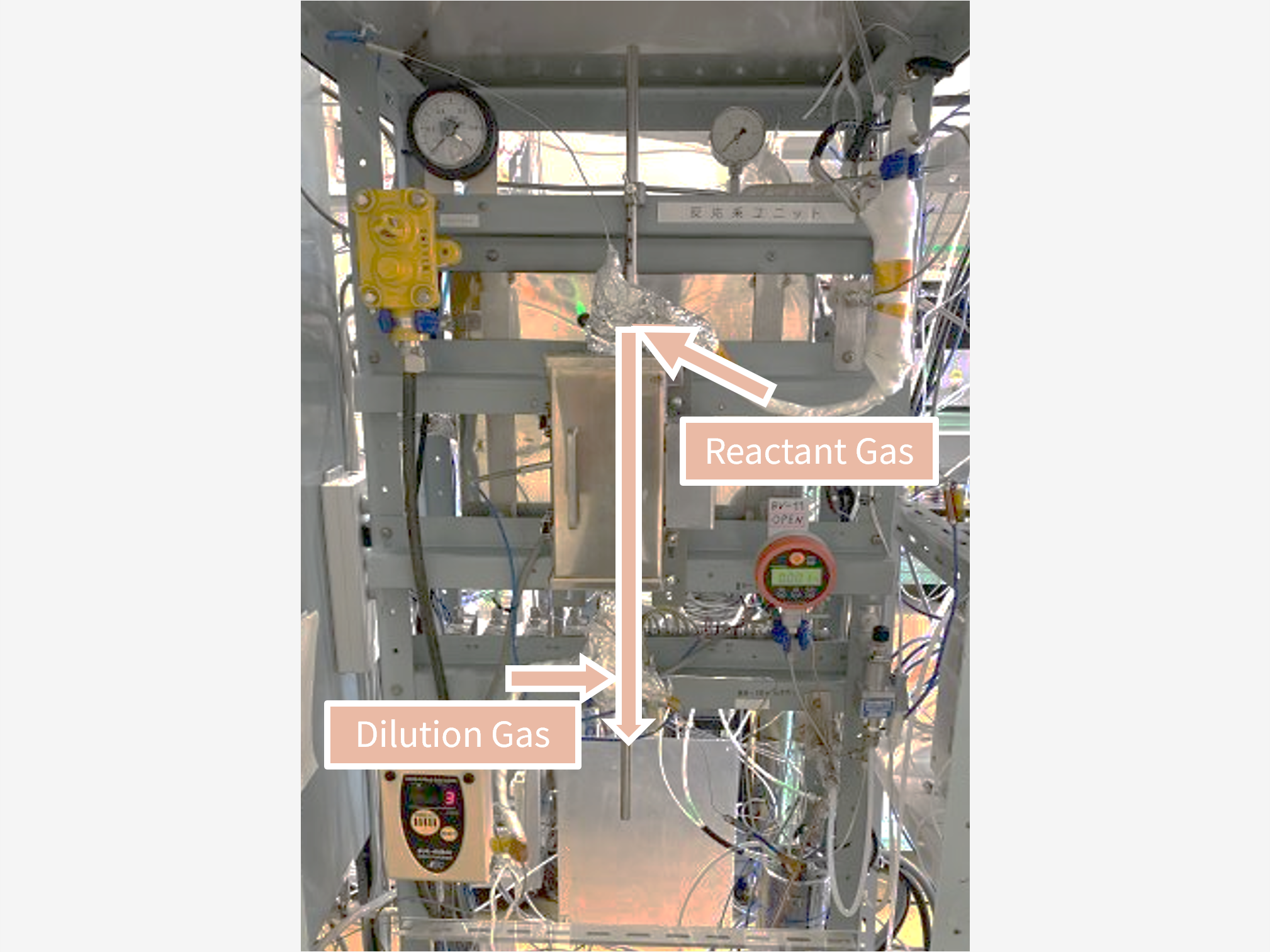
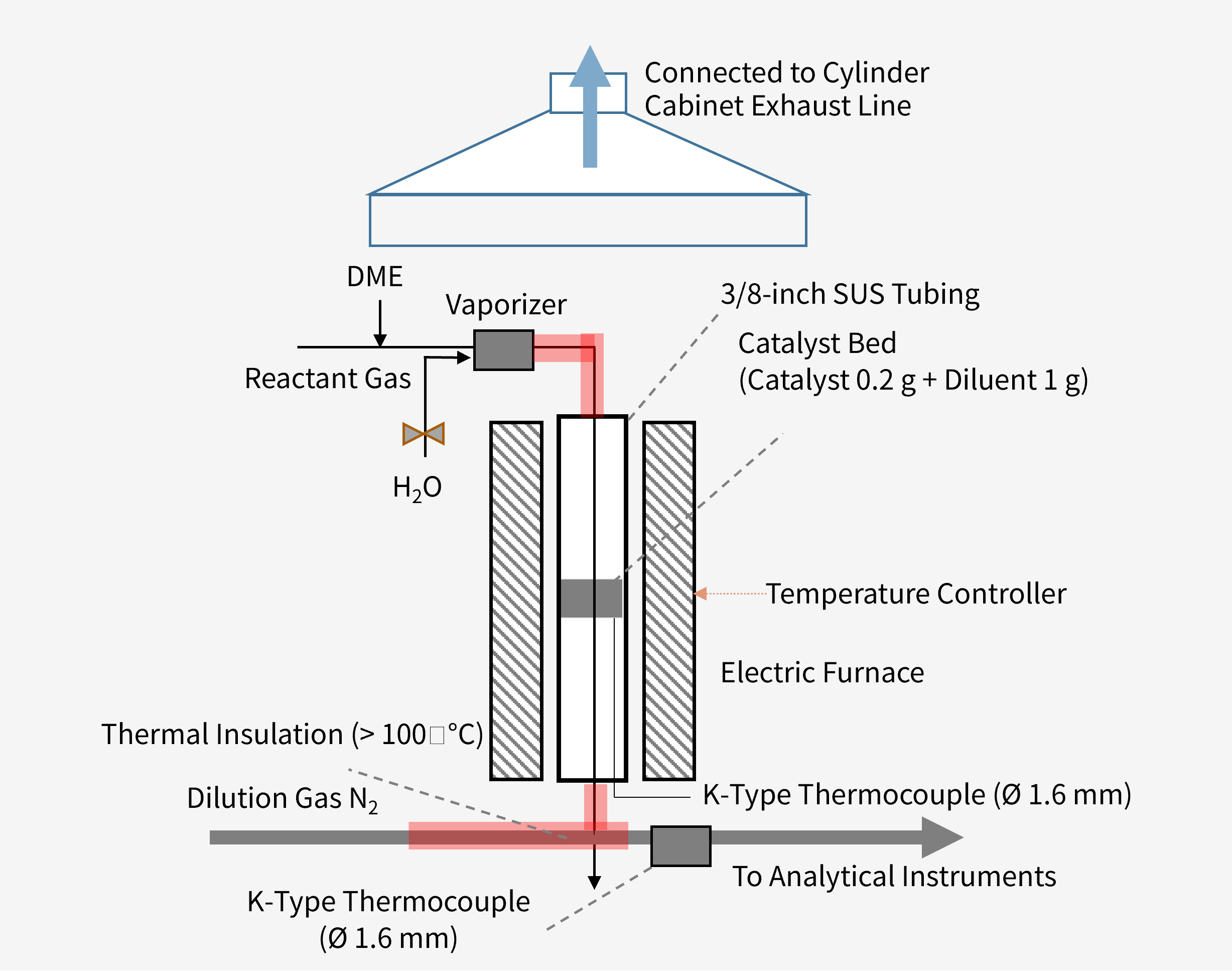
A small-scale reactor system designed to carry out processes such as the conversion of dimethyl ether to olefins via dehydration–condensation reactions, or the conversion of olefins to paraffins via hydrogenation reactions (gas flow rate: several tens of mL/min).

Schematic Diagram of the Small-Scale Reactor

Schematic Diagram of the Small-Scale Reactor

Schematic illustration of the small-scale reactor system.

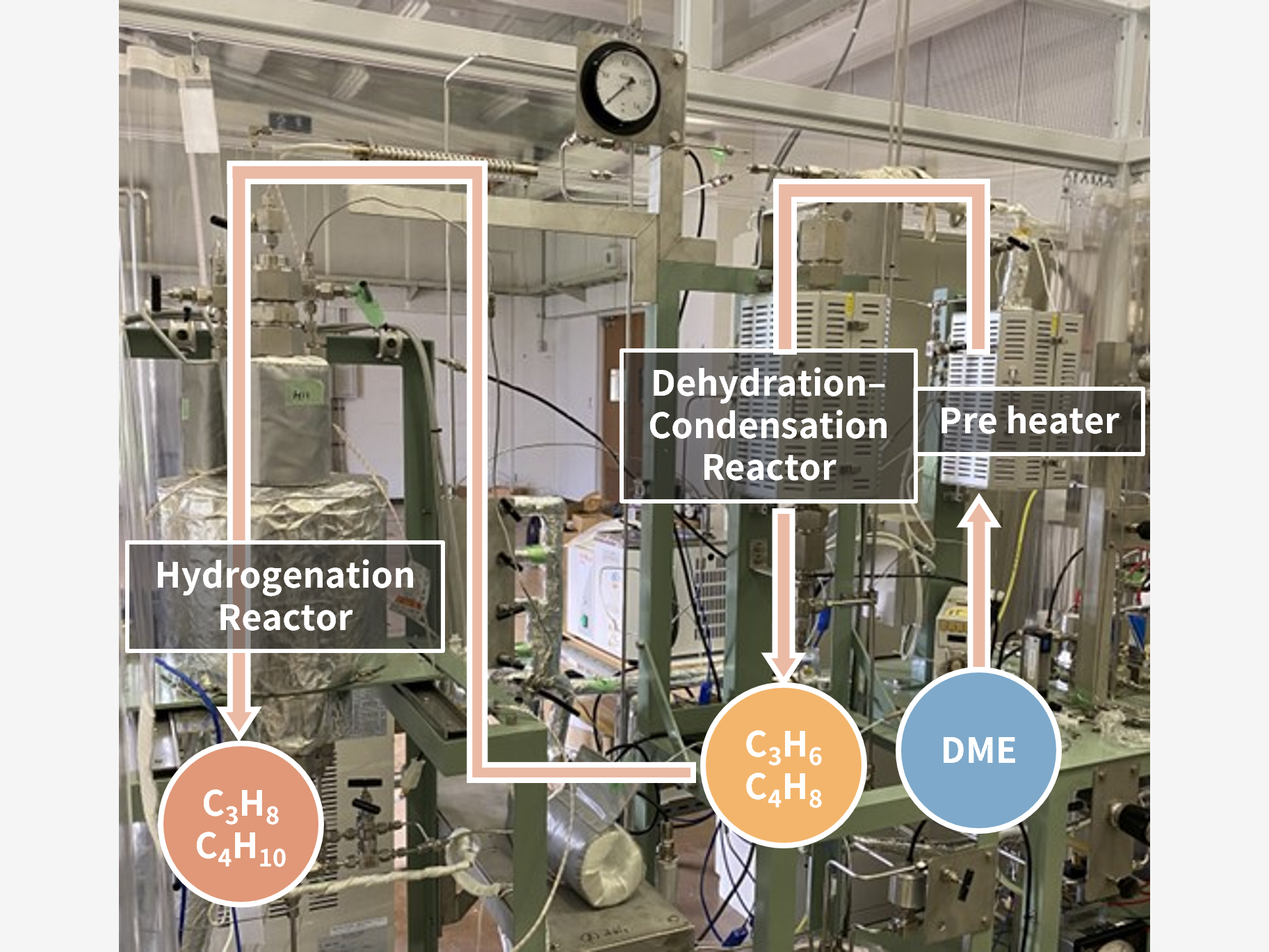
Medium-Scale Reactor

Medium-Scale Reactor

A medium-scale reactor system capable of carrying out two processes: the conversion of dimethyl ether to olefins, followed by further conversion to paraffins (gas flow rate: several liters per minute).

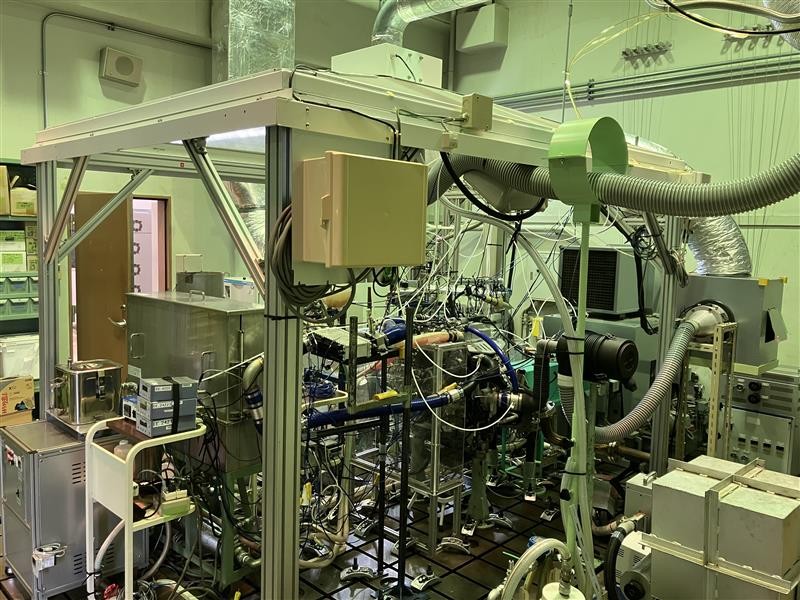
Hydrogen Engine Evaluation

Hydrogen Engine Evaluation Facility

Hydrogen Engine Evaluation Facility

An engine dynamometer facility equipped with safety systems to address potential hydrogen leaks. Hydrogen can be supplied to the engine at low pressure, below 1 MPa.