
HOME │ Research Topics
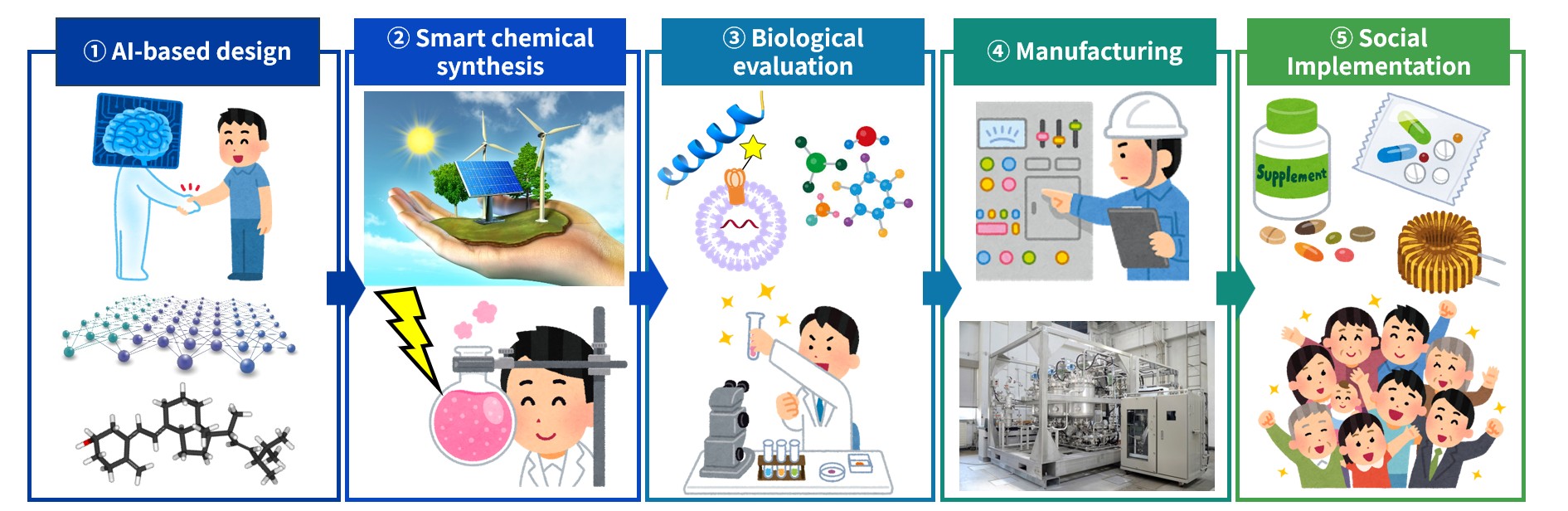
FoodMed-OIL integrates the complementary strengths of AIST and the University of Tsukuba to establish a seamless research framework spanning molecule creation, functional evaluation, and social implementation.
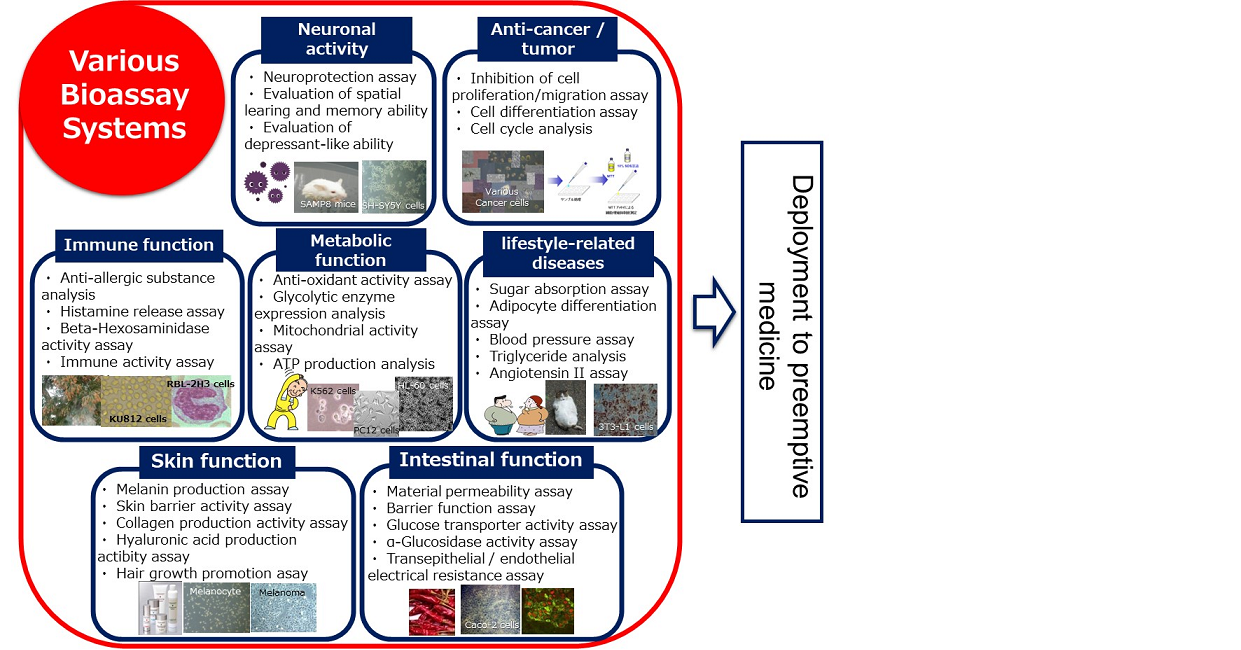
The University of Tsukuba specializes in evaluating physiological activities and elucidating mechanisms of action using a broad range of disease-related bioassays. Recent efforts have focused on developing advanced evaluation platforms that enable highly sensitive and quantitative assessment of molecular functions.
AIST develops innovative molecular transformation technologies based on catalysis, organic synthesis, and biomolecular modification. These technologies enable the production and functional enhancement of bioresource-derived molecules while integrating AI-driven molecular design and function prediction.
For more details, please visit the corresponding research pages.
1. Rare Flavonoids from Mediterranean Plants
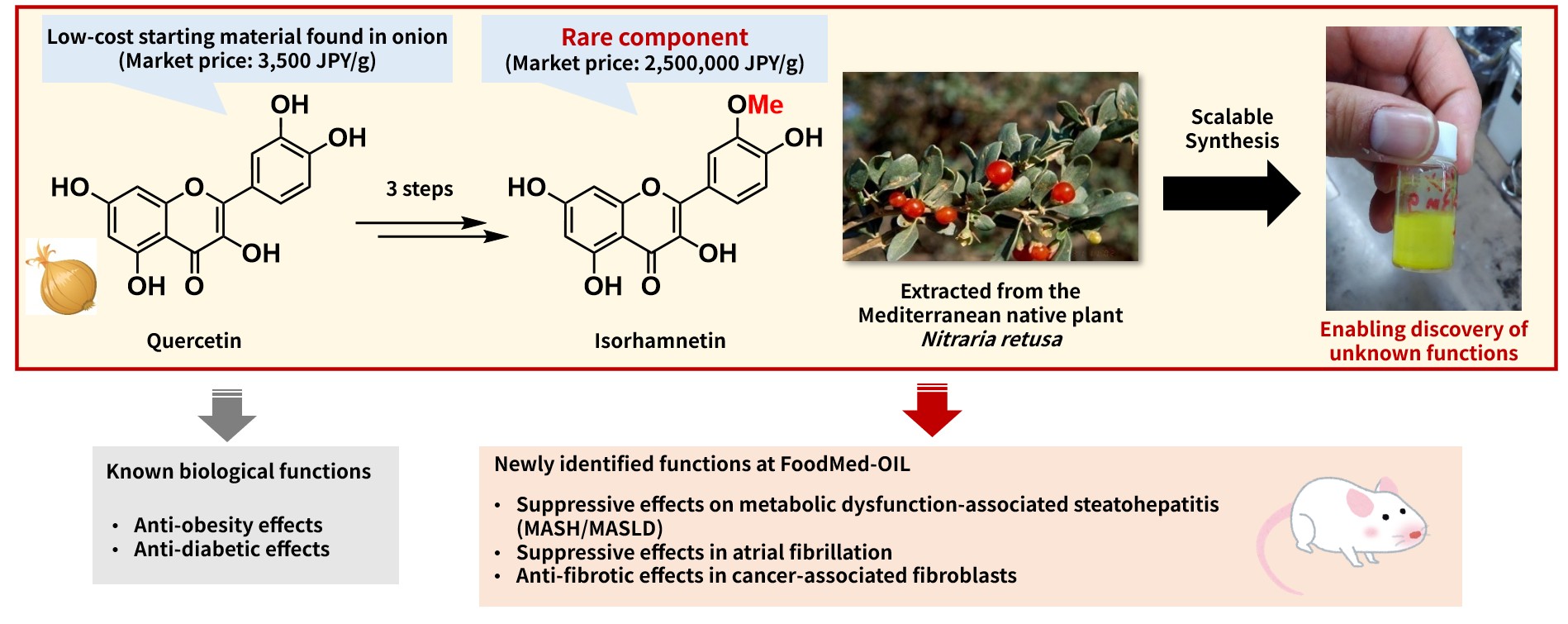
Isorhamnetin is a rare flavonoid found abundantly in the Mediterranean halophytic plant Nitraria retusa. At FoodMed-OIL, its scalable synthesis is combined with biological evaluation to investigate its diverse physiological functions. Beneficial effects have been reported in models of metabolic dysfunction-associated steatohepatitis (MASH/MASLD) and cardiovascular diseases. These studies have demonstrated cytoprotective effects mediated by antioxidant activity and regulation of cellular functions. Furthermore, isorhamnetin has shown anti-proliferative effects against cancer-associated cells, suggesting broad therapeutic potential across multiple disease areas.
2. Caffeic Acid Derivatives
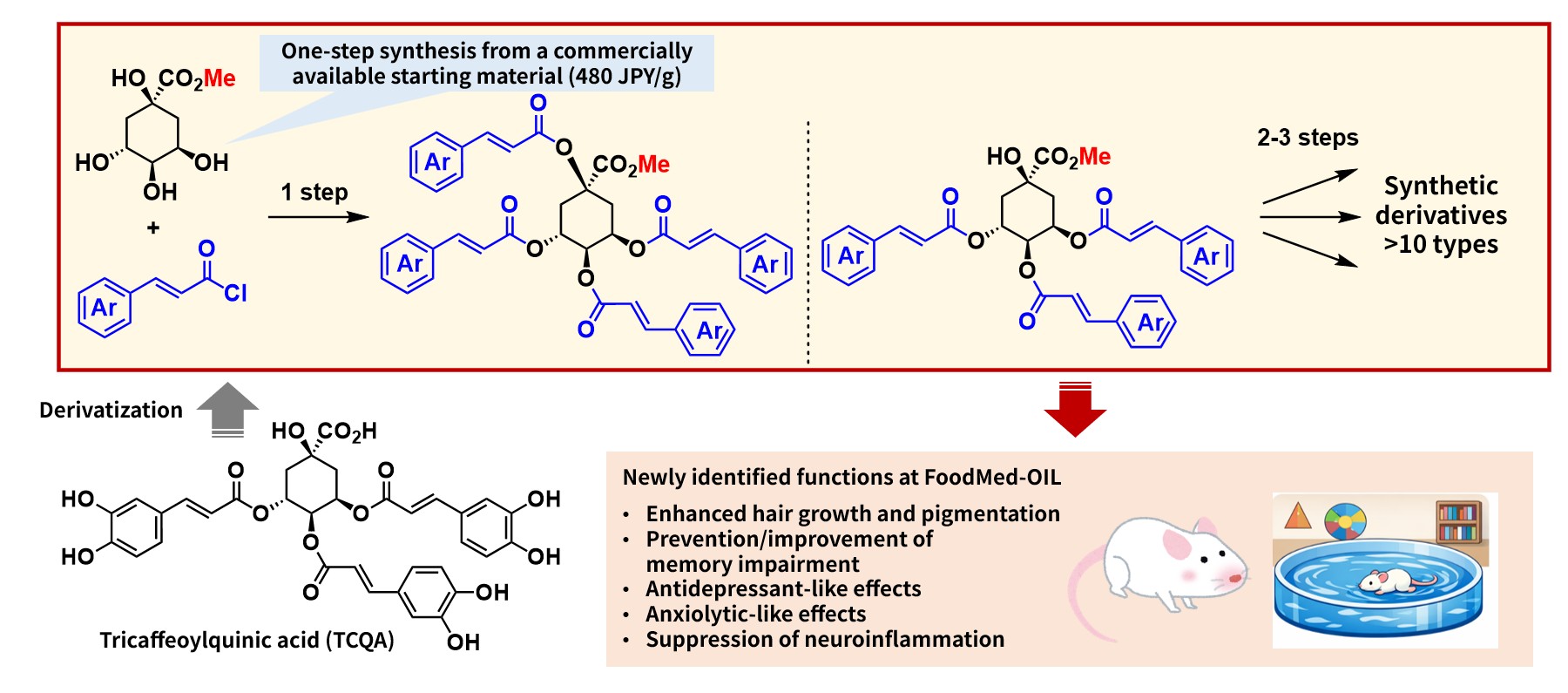
3,4,5-Tri-O-caffeoylquinic acid (TCQA) is a chlorogenic acid derivative found in trace amounts in sweet potato leaves, plants of the Asteraceae family, and propolis. At FoodMed-OIL, we have established synthetic methodologies that enable the preparation of TCQA and a broad range of derivatives, facilitating systematic studies of structure–activity relationships. TCQA has been reported to promote hair growth and modulate neuronal functions. Evaluations using neural stem cells have further demonstrated its ability to enhance neural differentiation and proliferation.
3. Rare Bioactive Compounds from Olive Resources
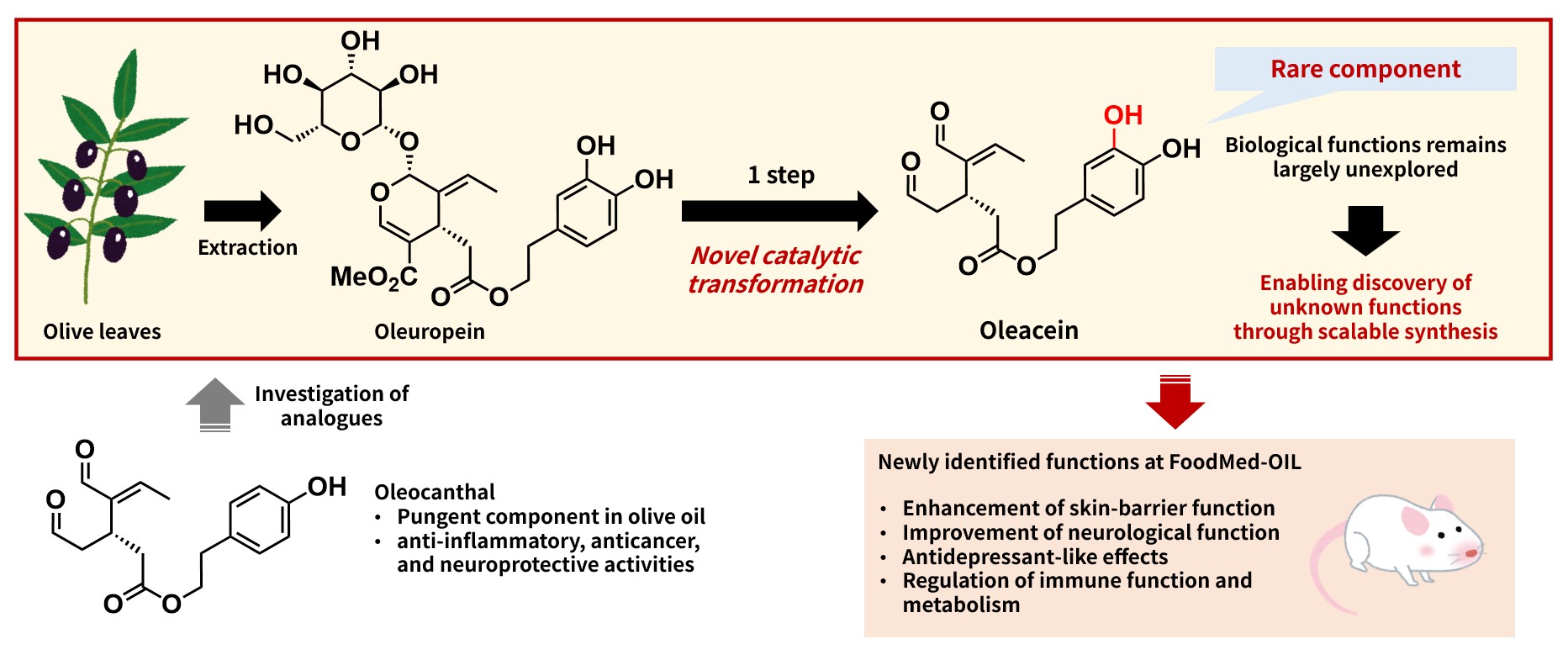
We have established an efficient one-step conversion technology that transforms oleuropein, a secoiridoid glycoside abundant in olive leaves, into oleacein, a rare bioactive compound naturally found in olive oil, using a solid-acid catalyst. Unlike conventional multistep synthetic approaches, this method enables the straightforward production of valuable compounds from underutilized biomass resources. Oleacein has also been reported to exert antidepressant-like effects in mouse models, highlighting its potential as a functional biomaterial and health-promoting ingredient.
4. Hydrophilically Functionalized Molecules Derived from Biomass Lipids
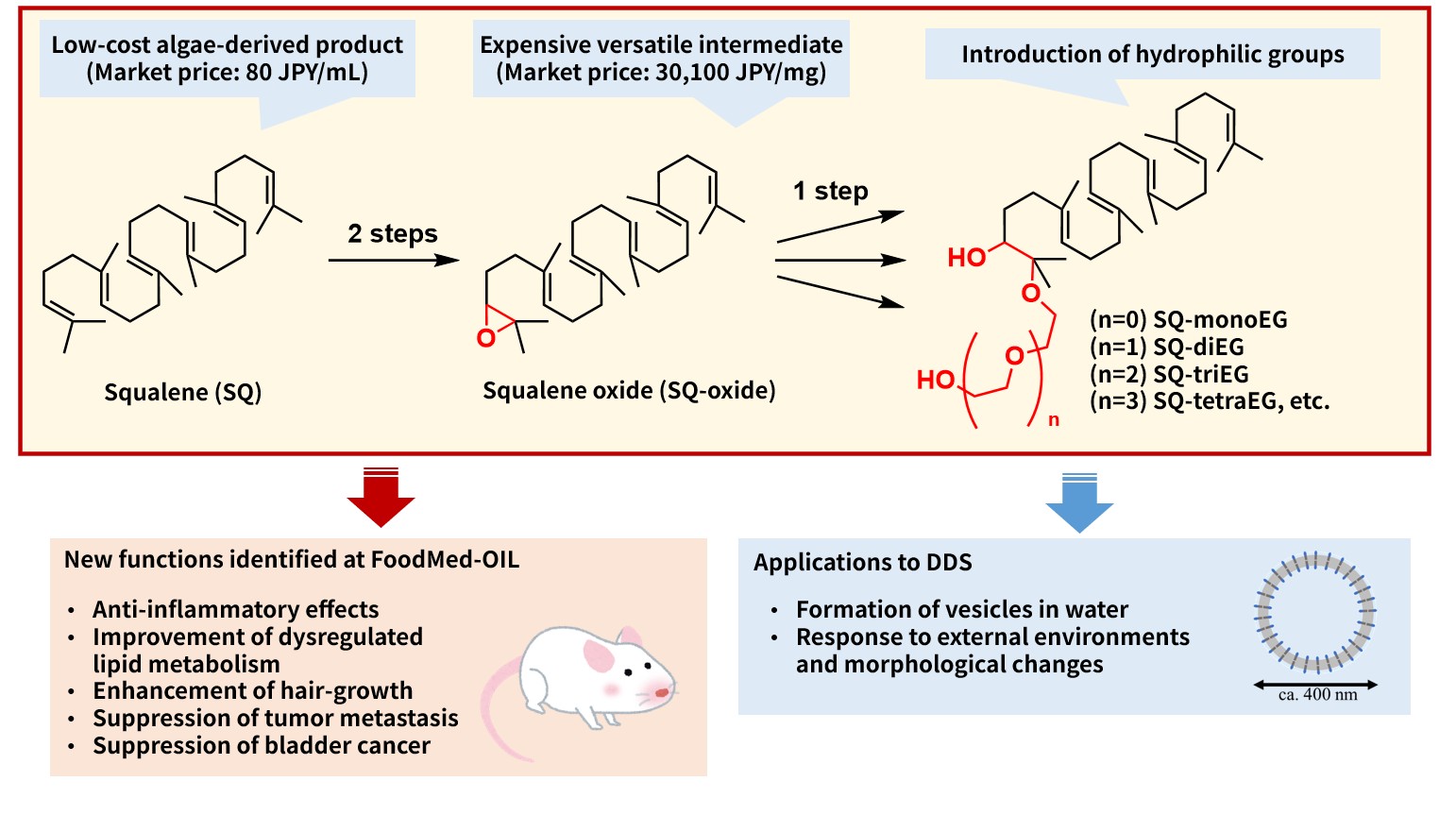
Squalene is a naturally occurring triterpene found in shark liver oil, olive oil, and microalgae. At FoodMed-OIL, we have developed novel non-natural amphiphilic molecules by introducing ethylene glycol chains into the squalene scaffold. These molecules self-assemble in aqueous environments to form nanoscale aggregates and are expected to undergo stimulus-responsive structural changes and enable controlled release of encapsulated compounds, making them promising candidates for drug delivery applications. In addition, they exhibit a broad spectrum of biological activities, including anti-proliferative, anti-inflammatory, antioxidant, hair-growth-promoting, and skin-barrier-enhancing effects.
5. Bioactive Components Derived from Grape Skins
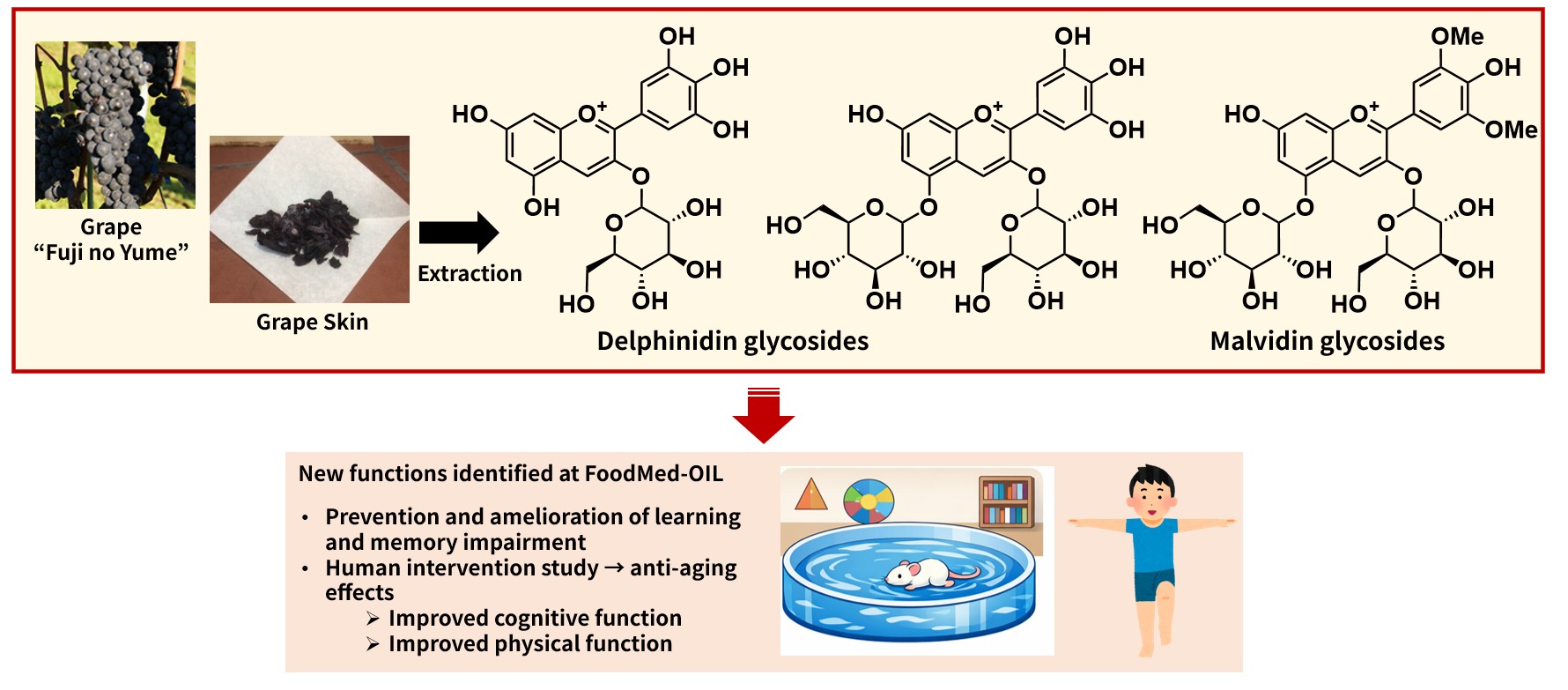
Grape skins are rich sources of polyphenols and anthocyanins. Extracts derived from grape skins have shown protective effects against age-associated neurological decline. Cellular studies have demonstrated their ability to protect neurons from damage and improve cell viability. Animal studies have further revealed improvements in learning and memory performance, suggesting potential roles in promoting neurogenesis and maintaining neuronal function. In addition, anti-inflammatory and antioxidant activities have been reported, highlighting their potential as anti-aging ingredients for preventing and alleviating cognitive decline.
6. Low-Cost, Sustainable Manufacturing and Modification Processes for Food- and Medicine-Derived Functional Molecules
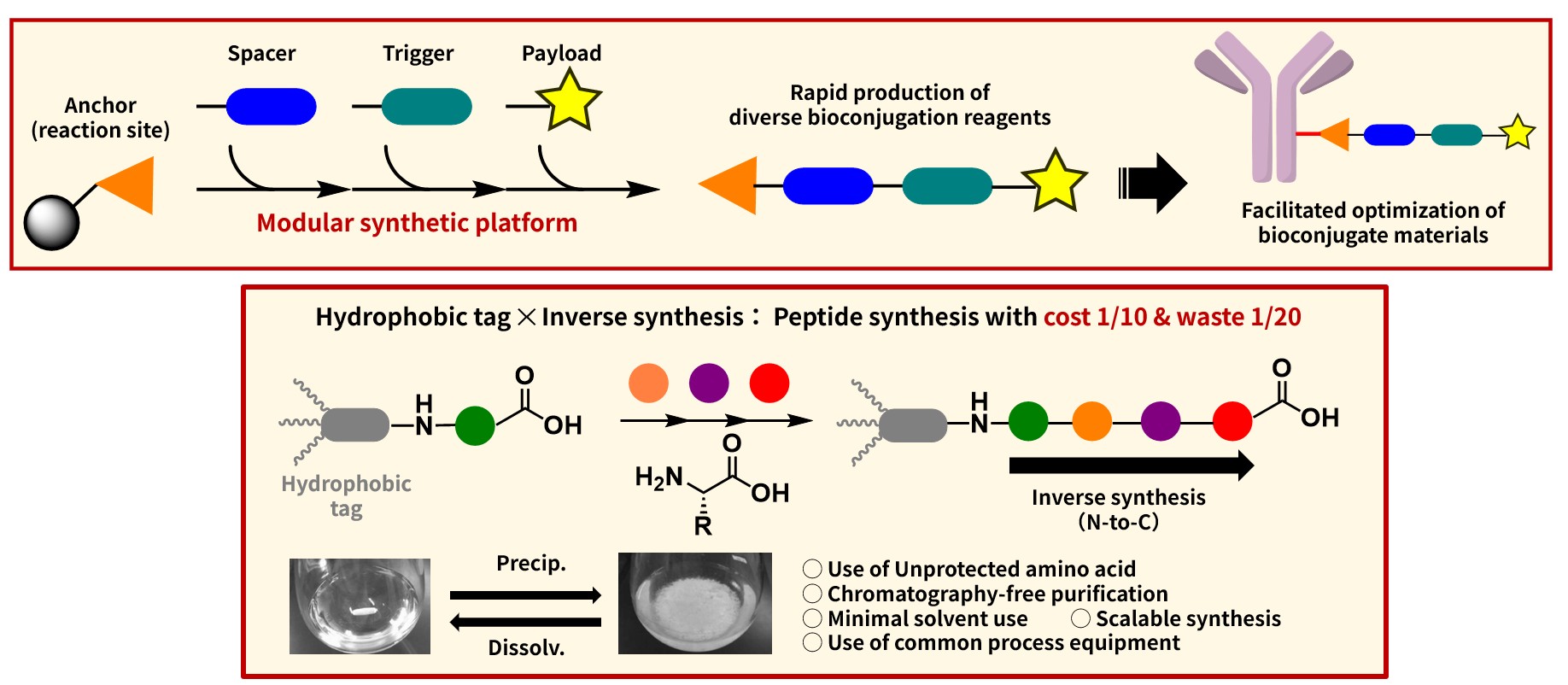
In collaboration with the Catalysis Chemistry Research Institute and the Department of Life Science and Biotechnology at AIST, we are developing efficient technologies for the synthesis and modification of peptides, proteins, and other biologically relevant molecules. These efforts support the large-scale production, structural optimization, and functional diversification of bioactive compounds. Key technologies include inverse peptide synthesis with minimal use of protecting groups and solvents, as well as catalyst-enabled modification of peptides, proteins, and antibodies. We are also developing catalytic processes for converting renewable resources, including cellulosic biomass, into valuable chemicals, with the aim of establishing a sustainable manufacturing platform that reduces both production costs and environmental impact.
7. Development of a Data-Driven Function Prediction Platform and AI-Assisted Drug Discovery Infrastructure
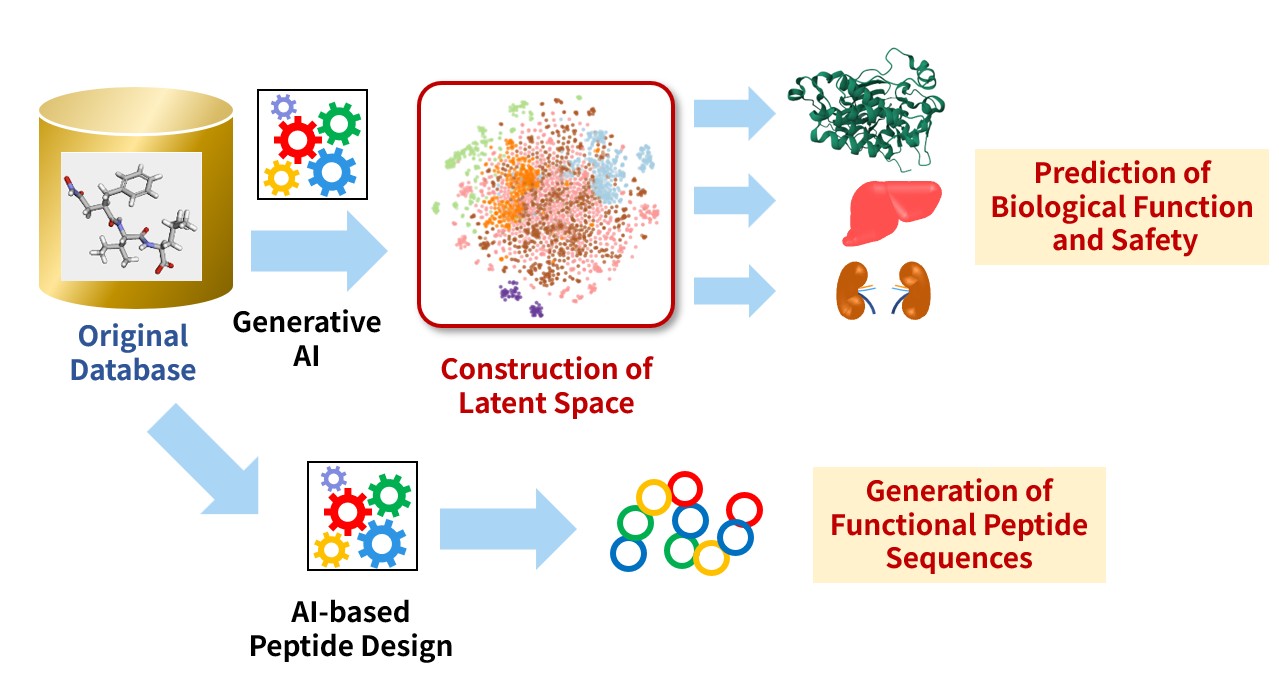
We are constructing an integrated analytical platform that combines molecular structural information with gene expression data to develop databases and AI systems capable of predicting the functions of natural-product-derived molecules and identifying promising candidates. Based on the concept of Digital × Bio integrated analysis, molecular structures, cellular responses, and disease-related information are interconnected to enable AI-driven prediction of biological functions and therapeutic targets. Furthermore, by leveraging generative AI and machine learning technologies, we aim to design novel functional molecules and peptide derivatives and seamlessly connect molecular design with synthesis, biological evaluation, and manufacturing processes. Through this approach, we seek to establish a comprehensive data-driven platform that accelerates the entire innovation pipeline from discovery to real-world implementation.
For a complete list of publications and research activities, please visit: FoodMed-OIL Activities and Publications