
About Our Activities
Nature-Positive Nasunogahara Alliance Kickoff Workshop Report
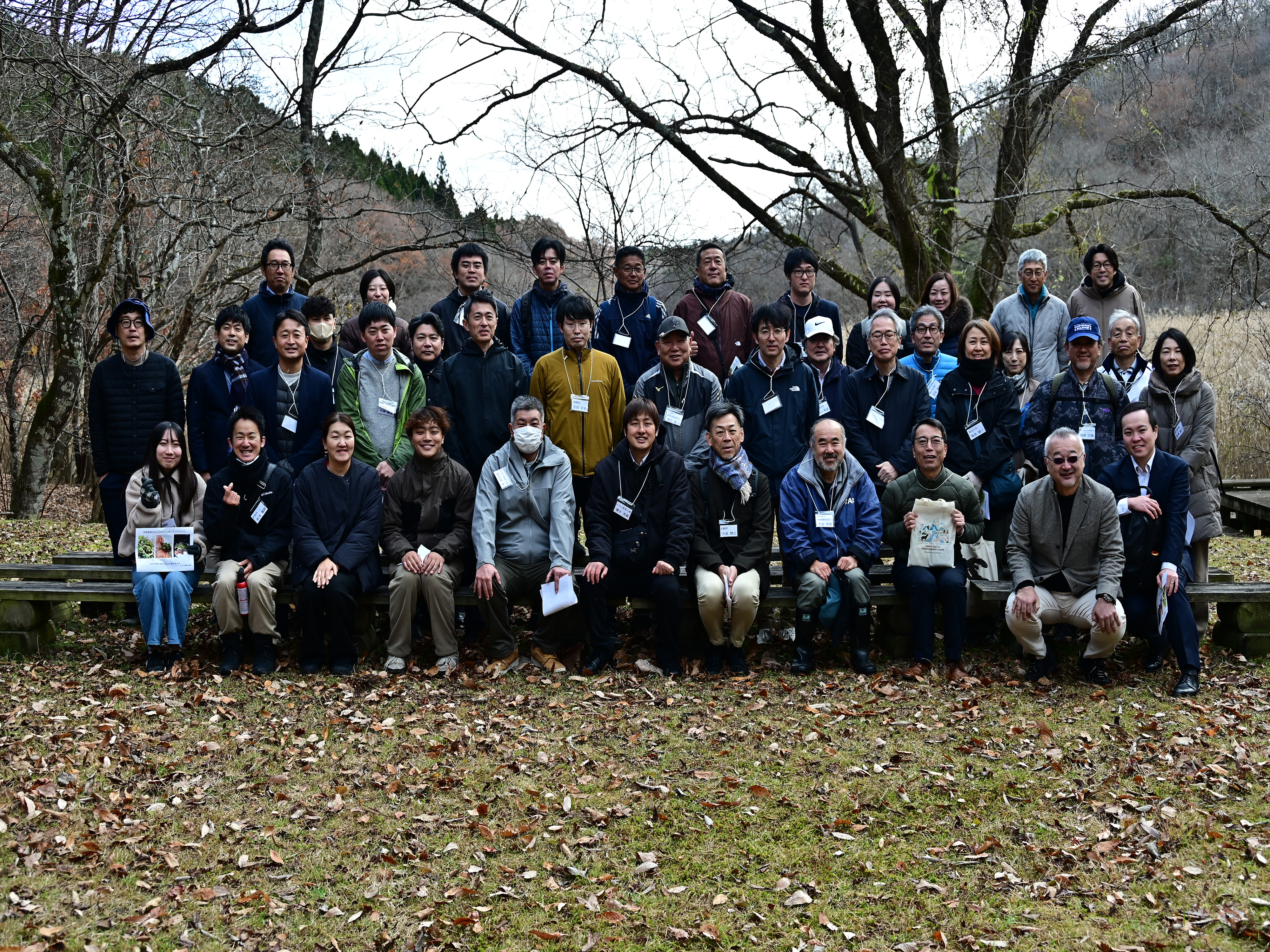
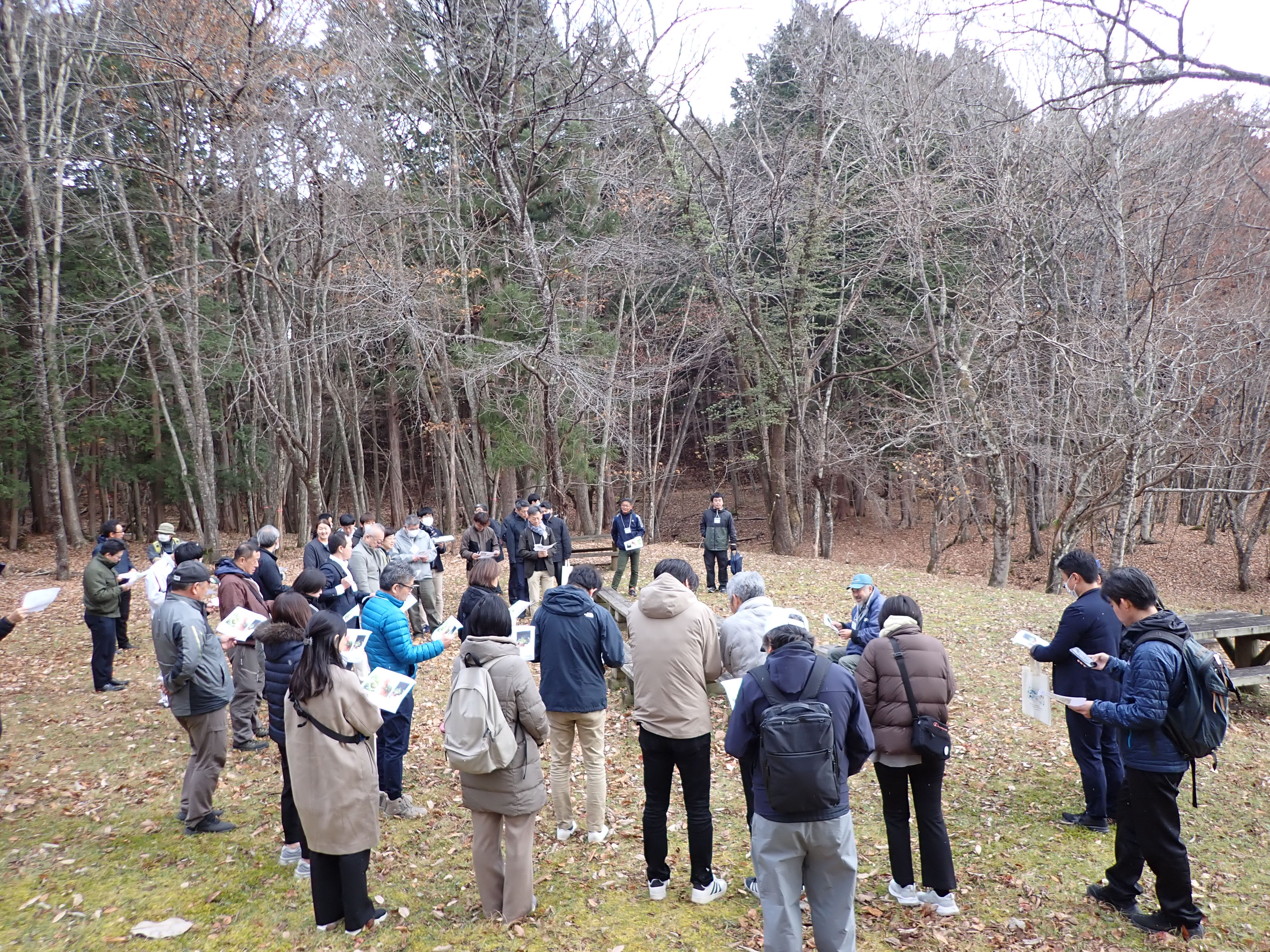
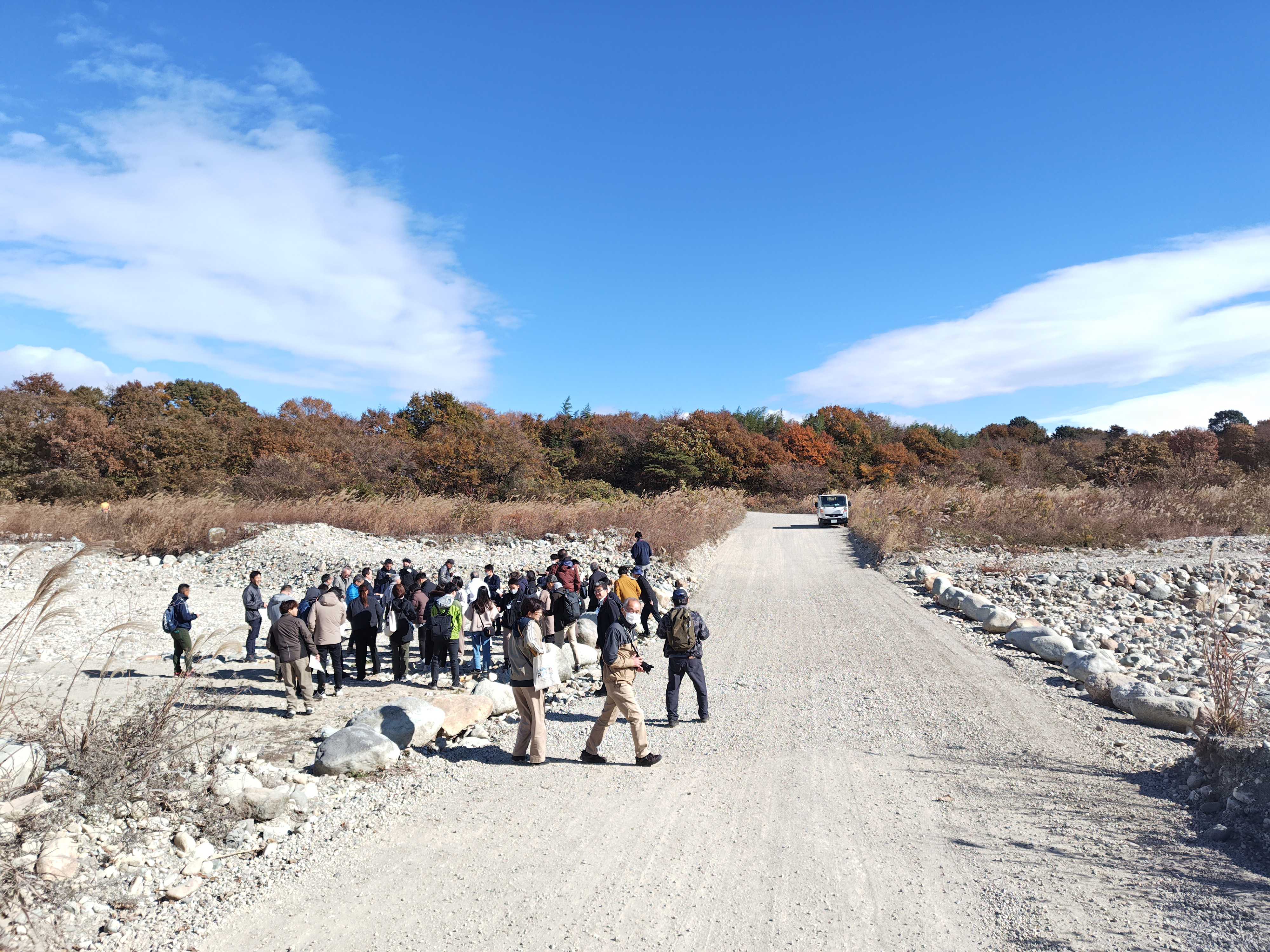
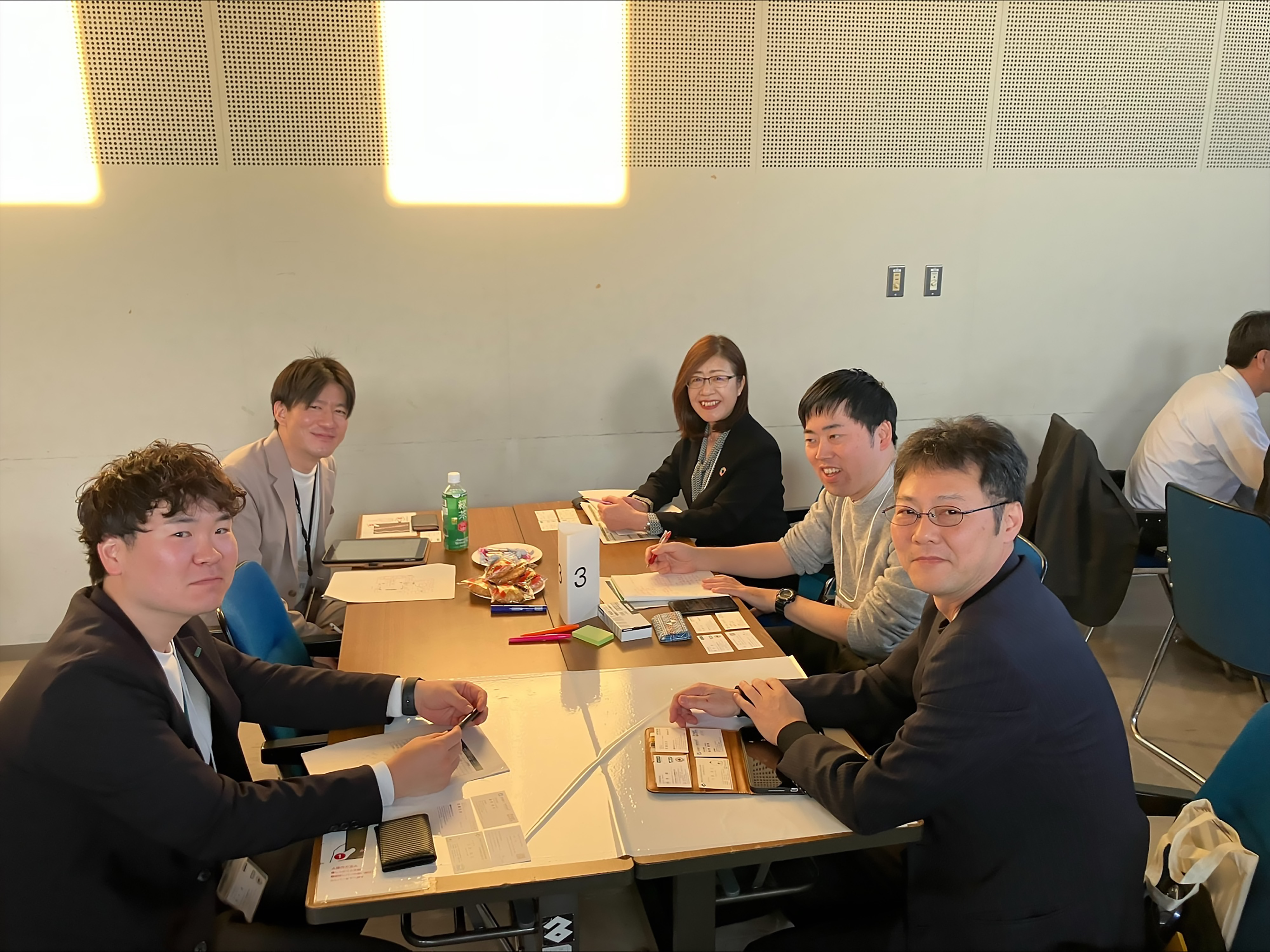
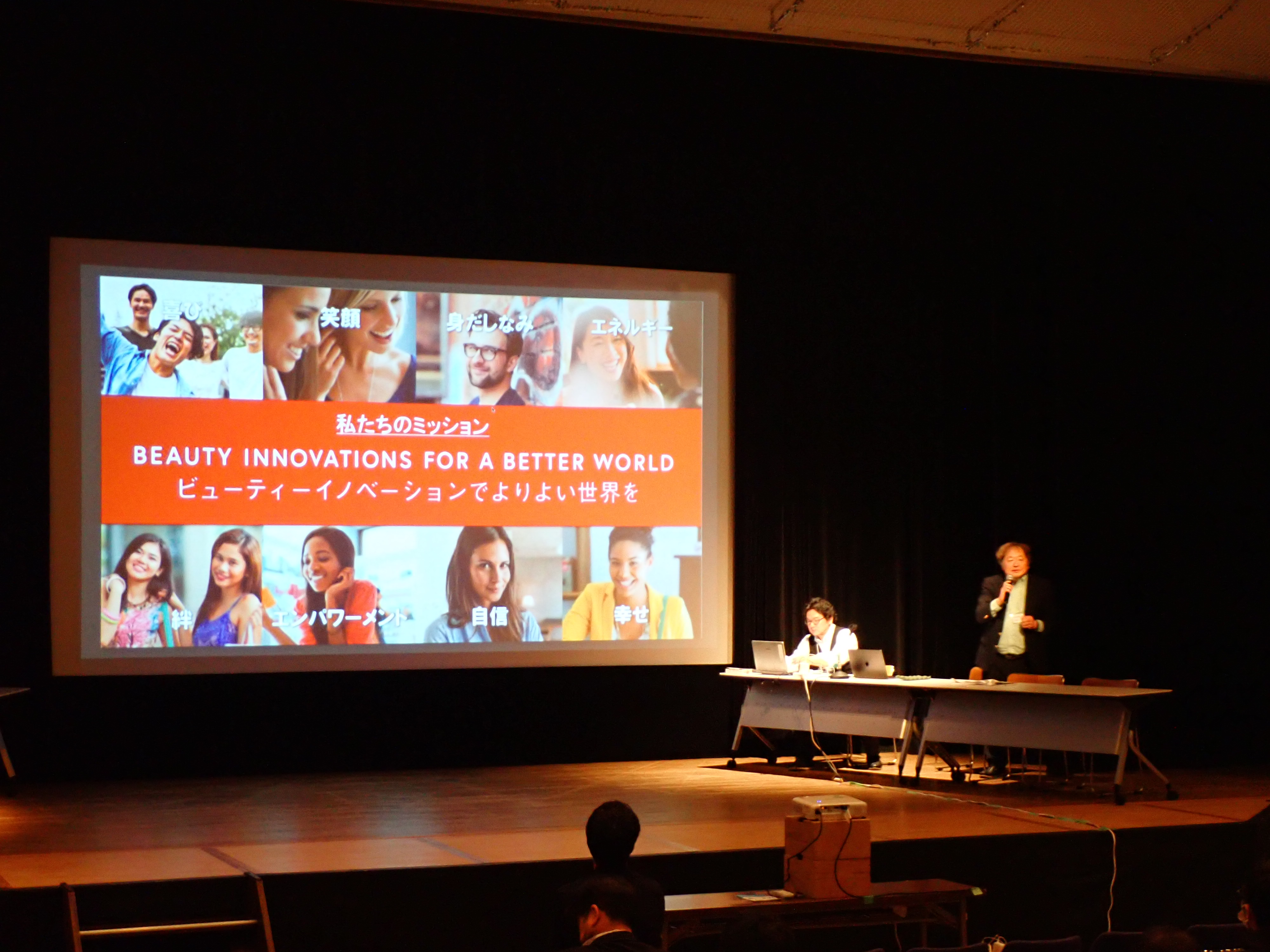
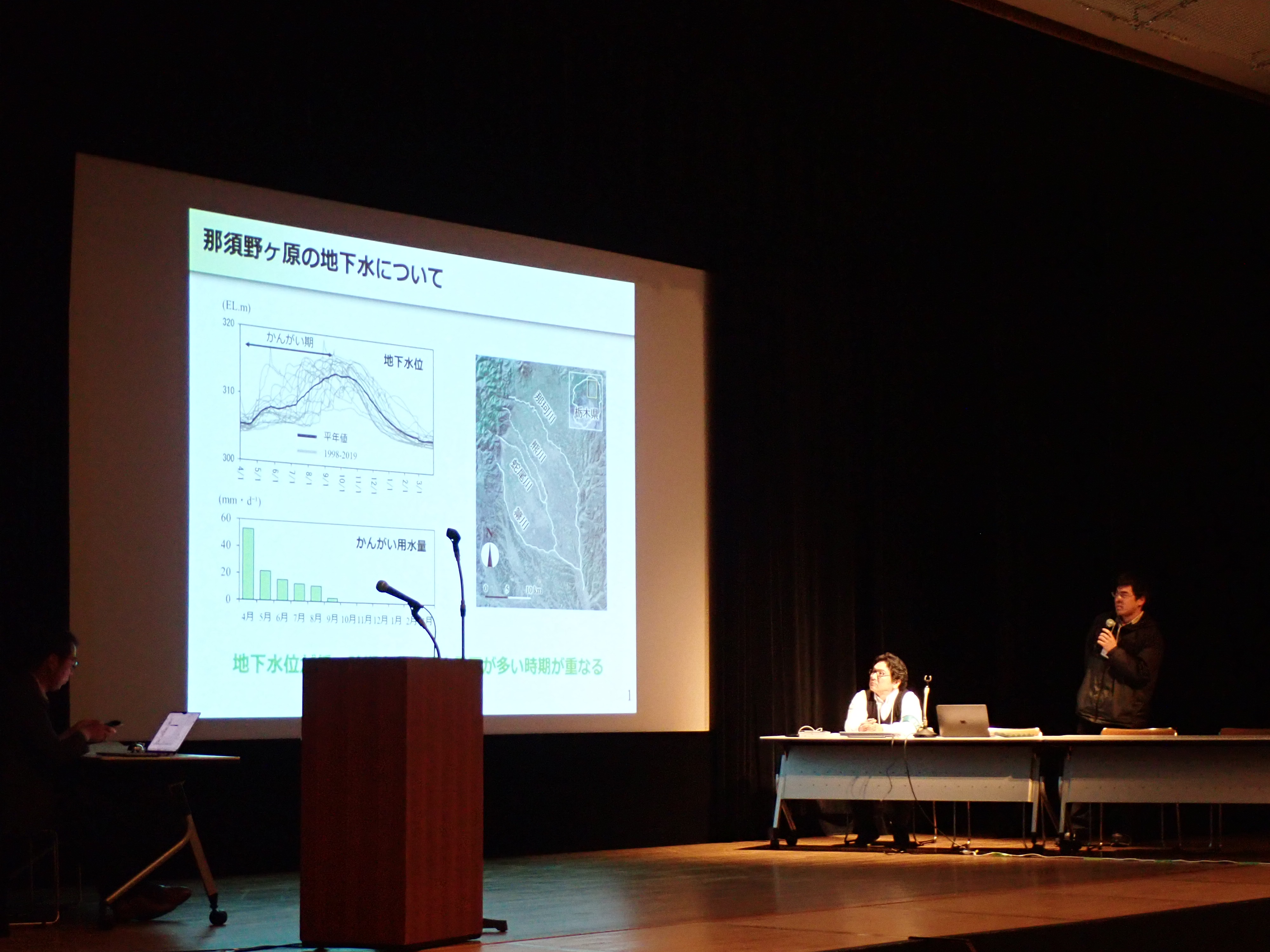
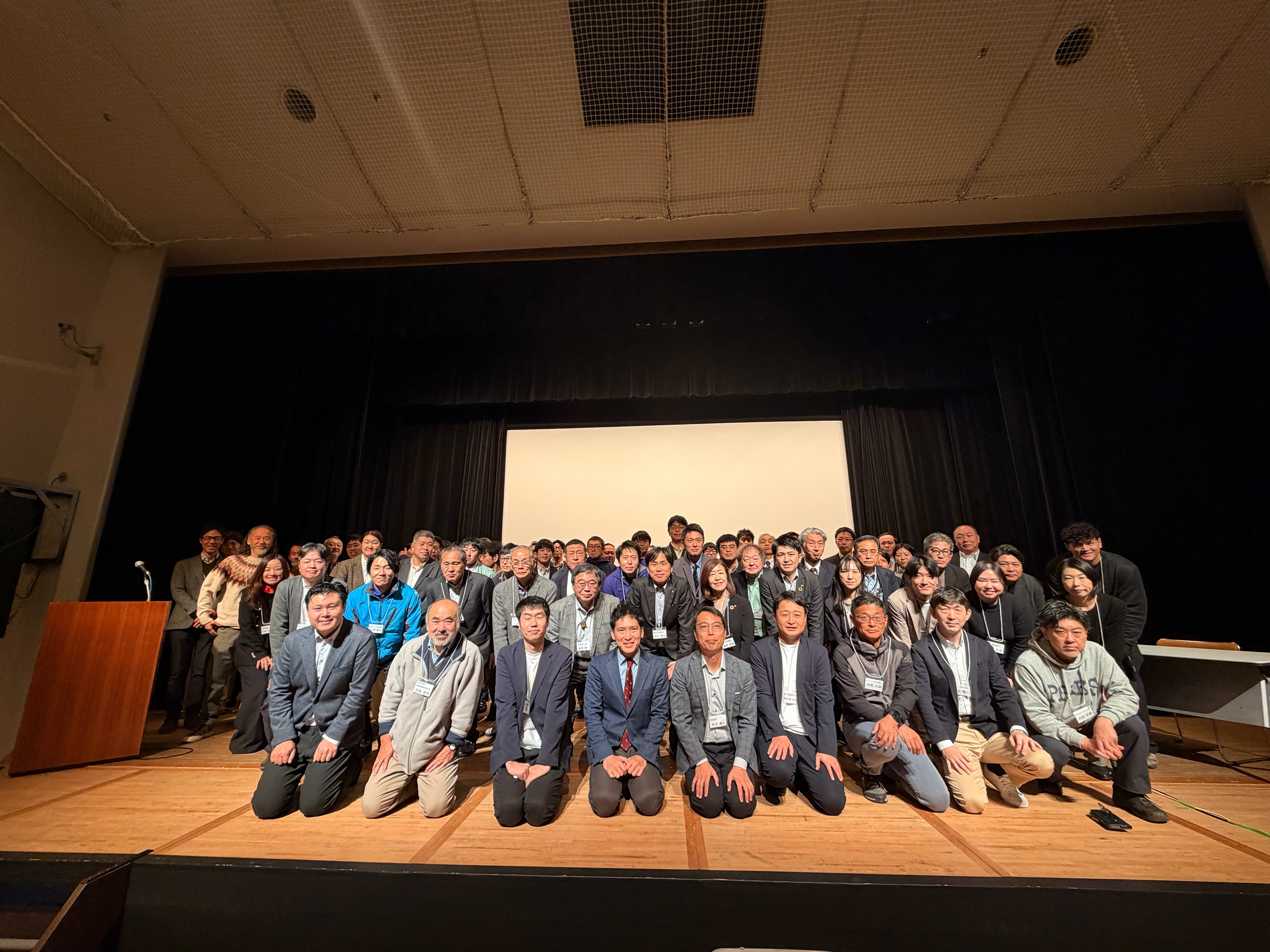
We gathered 93 stakeholders from the Nature Positive Nasunogahara Alliance participants and 36 related organizations to hold a workshop on November 17 (workshop) and November 18 (excursion) to share the current situation and discuss the future.
Table of Contents for the Web Version Report
Same as the PDF version of the report


1. Program
♦ Monday, November 17, 2025
Kickoff Workshop: 11:00 AM – 4:30 PM
Venue: Taishodo Kuroiso Miruhi Hall, Small Hall
- 11:00 AM Opening Remarks: Moderator Tetsuo Yasutaka (Deputy Director, AIST NP Center)
- 11:05 Mayor’s Remarks: Mayor Watanabe
- 11:10 Explanation of NPNA’s Purpose: Deputy Mayor Takiguchi
- 11:20 Agenda, Objectives, and Introduction of Participants: Tetsuo Hotaka
- 11:35 National Initiatives: Ministry of the Environment (10 minutes)
- 11:45 Sharing of Research Activities by Research Institutions in Nasushiobara (25 min)
- 12:45 Sharing of Local Activities (60 minutes)
- 1:45 p.m. Sharing of Local (Corporate) Activities (50 min)
- 2:35 p.m. Sharing of Activities by External Organizations (30 min)
- 3:10 PM Workshop Overview (Conducted in 16 groups)
- 3:20–4:00 p.m. Workshop
- 4:00–4:20 p.m. Sharing of Workshop Results
- 4:20 PM Summary of the Meeting: AIST, Deputy Center Director Yasutaka
- Closing Remarks: National Institute for Environmental Studies (NIES) - Chief Coordinator Akutsu
Nasushiobara City: Takiguchi, Deputy Mayor
♦ Tuesday, November 18, 2025
2. List of Participants
The first day’s workshop was held in the Small Hall of the Taishodo Kuroiso Miruhi Hall, with 93 participants from 36 organizations in attendance.
The event brought together a diverse range of stakeholders, including the Ministry of the Environment, Nasushiobara City, Otawara City, 19 private companies, national research and development corporations, universities, volunteer groups, NPOs, schools, research institutions, government agencies, and individual members.
NPNA members and organizations participating in the kickoff workshop are listed below.
NPNA Members and Kickoff Workshop Participating Organizations (Organizations marked with a circle participated in the kickoff workshop)
- Hourai Co., Ltd. (Businesses and Corporations)
- Shirakawa Shinkin Bank (Corporate/Organization)
- Ashikaga Bank, Ltd. (Corporate/Institutional)
- ◯ Environmental Research Institute Co., Ltd. (Corporate/Institutional)
- Asia Academy (Corporate/Institutional)
- ◯ Seiko NPC Co., Ltd. (Corporate/Institutional)
- ◯ Tochigi Bank, Ltd. (Business & Corporate)
- ◯Nasu Environmental Technology Center Co., Ltd. (Business/Corporate)
- Nasu Credit Union (Corporate/Institutional)
- Suzuki Electric Co., Ltd. (Corporate/Organization)
- Nasu Housing Co., Ltd. (Corporate/Business)
- KANSEI Design Limited (Corporations and Legal Entities)
- ◯Nanic Japan Co., Ltd. (Business/Corporate)
- Miyazawa Construction Co., Ltd. (Business/Corporate)
- Bridgestone Corporation (Corporate/Legal Entity)
- ◯ Shiseido Co., Ltd. (Corporate/Legal Entity)
- ◯ National Park Solutions Co., Ltd. (Corporate/Legal Entity)
- ◯Otawara Shinkin Bank (Corporate/Legal Entity)
- ◯ Yachiyo Engineering Co., Ltd. (Corporate/Legal Entity)
- Nasu Animal Kingdom (Corporate/Organization)
- Asahi Beverage Co., Ltd. (Corporate/Business)
- ◯Kagome Co., Ltd. (Corporate/Institutional)
- ◯MS&AD InterRisk Research Institute Co., Ltd. (Businesses & Corporations)
- ◯B.A.U.M. Consult Japan Co., Ltd. (Corporate/Institutional)
- ◯Nasunogahara Mirai Electric Co., Ltd. (Corporate/Institutional)
- ◯ Fujitsu Limited (Corporate/Legal Entity)
- ◯Biome Co., Ltd. (Corporate/Institutional)
- Aoba-gumi Co., Ltd. (Businesses/Corporations)
- General Incorporated Association Aozora Project THE DAY (Local Government, NPO, Other)
- ◯Nasushiobara Environmental Volunteers Association (Local Government, NPO, Other)
- Nasushiobara City Forestry Association (Local Government, NPO, Other)
- Nasunogahara Land Improvement District Federation (Local Government, NPO, Other)
- ◯Specified Nonprofit Corporation "Everyone's Association for Nurturing a 1,000-Year Forest" (Local Government, NPO, Other)
- Graduate School of Agricultural and Life Sciences, The University of Tokyo, Laboratory of Aquatic Conservation (Universities, Educational Institutions, Research Institutions)
- Individual Members (2 out of 5 participated) (Individuals)
*As an affiliate of MS&AD InterRisk Research Institute & Consulting, Inc., Mitsui Sumitomo Insurance Co., Ltd., Tochigi Branch, Utsunomiya Office also participated
Government and Academic Institutions Participating in the Kickoff Workshop
- ◯Otawara City Hall
- ◯ Nakagawa Water Park, Tochigi Prefecture
- ◯Tochigi Prefectural Fisheries Research Station
- ◯ Tochigi Prefectural Nasu Takuyo High School
- ◯ Nasushiobara City Flora and Fauna Research Society
- ◯National Agriculture and Food Research Organization (NARO), Department of Rural Engineering
- ◯Utsunomiya University
- ◯Nasunogahara Museum
- ◯Ministry of the Environment
- ◯Tohoku University, Center for Nature-Positive Development
- ◯Nasushiobara City
- ◯National Research and Development Agency, National Institute of Advanced Industrial Science and Technology (AIST), Nature-Positive Technology Implementation Research Center
- ◯National Institute for Environmental Studies (NIES), Climate Change Adaptation Center
- ◯Nature Positive Nasunogahara Alliance Secretariat
- ◯Nasushiobara City
- ◯National Institute of Advanced Industrial Science and Technology (AIST), Nature-Positive Technology Implementation Research Center
- ◯National Institute for Environmental Studies, Climate Change Adaptation Center
Nature Positive Nasunogahara Alliance Secretariat
- ◯Nasushiobara City
- ◯National Research and Development Agency, National Institute of Advanced Industrial Science and Technology (AIST), Nature-Positive Technology Implementation Research Center
- ◯National Institute for Environmental Studies (NIES), Climate Change Adaptation Center
In addition to the above, two representatives from companies currently considering membership participated.
3. Summary
Established in June 2025, the “Nature Positive Nasunogahara Alliance (hereinafter NPNA)” has launched activities that offer benefits such as enabling participants and nearby stakeholders to understand the status of the region’s natural environment and natural capital through mutual information sharing, and to participate in Nature Positive activities. These activities also contribute to enhancing the social value of participating companies and organizations.
On this occasion, we gathered 93 stakeholders, including Alliance participants and related parties, to hold a workshop on November 17 (workshop) and November 18 (excursion) to share the current status and discuss the future.
The workshop, which began with a greeting from the mayor, included an information-sharing session, a workshop session, and an excursion. We feel that these activities successfully fostered the building of a shared understanding (learning about the Nasunogahara region and current global trends) and facilitated two-way dialogue (getting to know one another).
After compiling the presentations from the facilitators of the 16 workshop groups, we identified the following seven key themes.
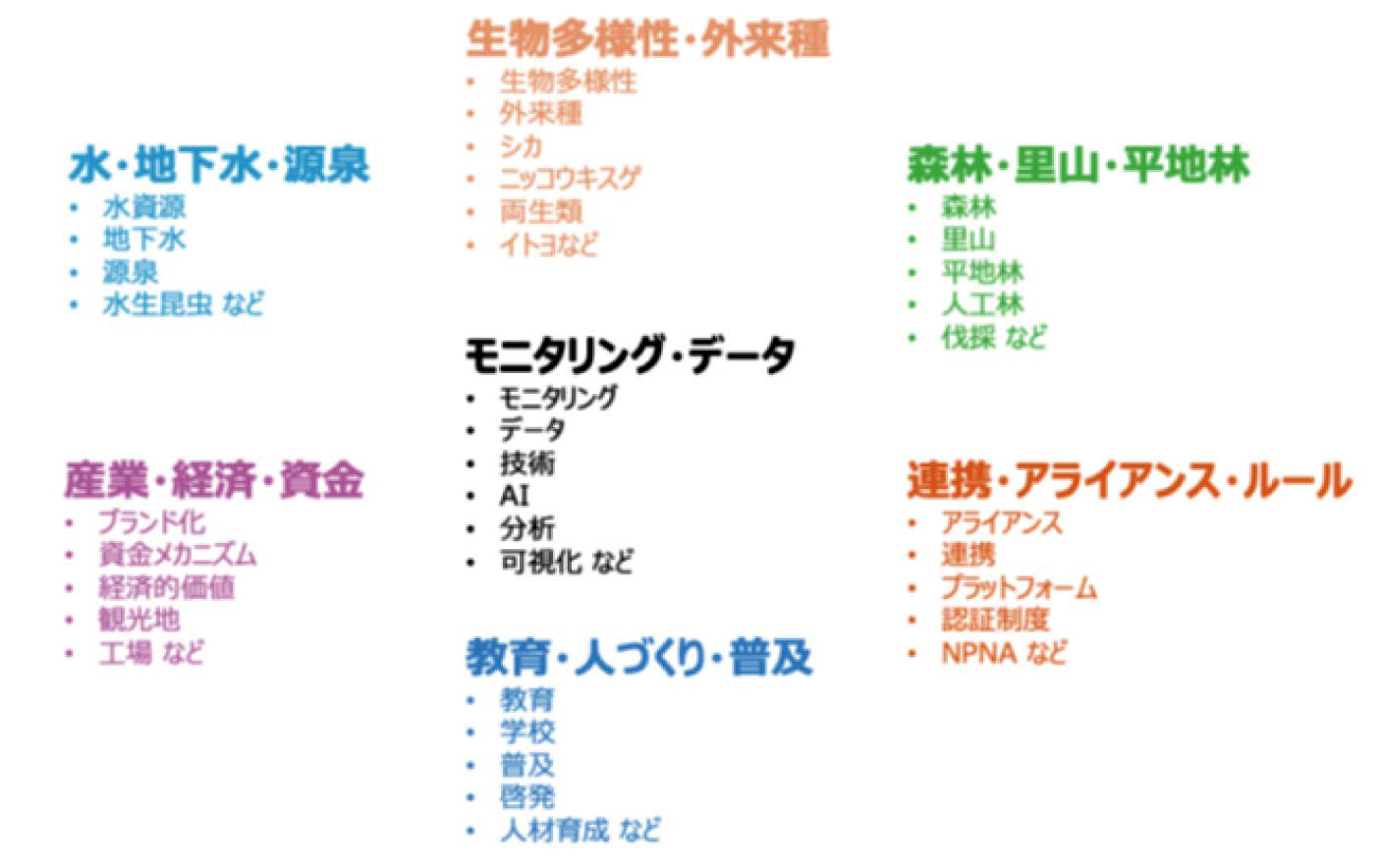
A notable feature was that many topics emerged not only related to natural capital but also concerning education and socio-economic factors, highlighting the importance of involving diverse stakeholders.
We will treat December as a preparation period and proceed with study sessions and collaborative activities leading up to the second workshop in February. We hope this workshop will serve as a catalyst for Nature Positive collaboration in Nasunogahara and become a pioneering example of regional Nature Positive initiatives, which are just beginning to emerge worldwide.
We would like to express our gratitude to the many people who provided their cooperation in organizing this event.
Author: NPNA Secretariat, Tetsuo Hotaka (Deputy Director, Nature Positive Technology Implementation Research Center, National Institute of Advanced Industrial Science and Technology)
4. Objectives of the Kickoff Workshop
The Nature Positive Nasunogahara Alliance plans to proceed with its activities in five steps.
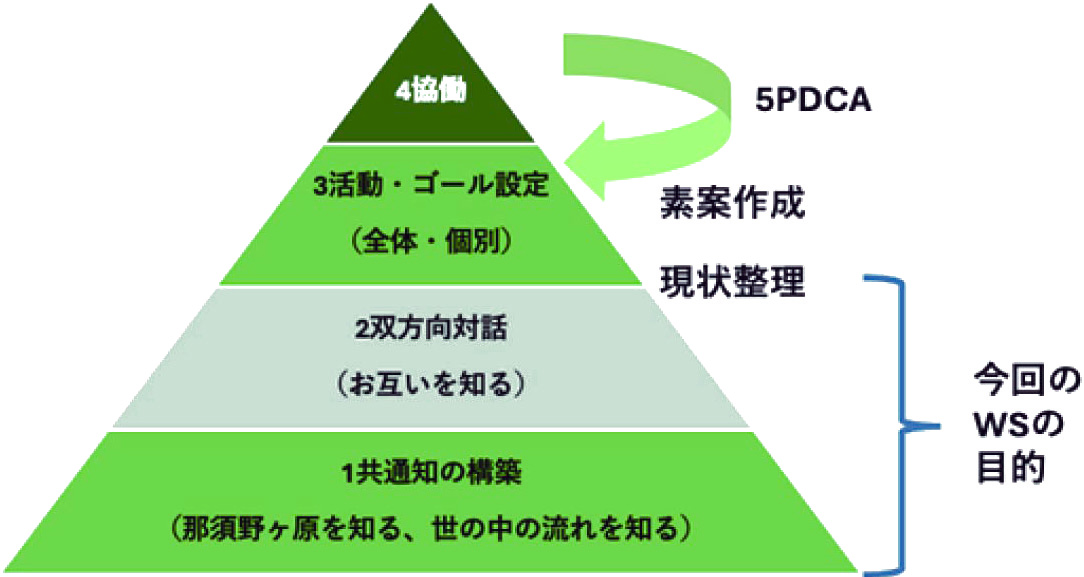
- Building a Shared Understanding (Understanding Nasunogahara, Understanding Global Trends)
- Interactive Dialogue (Getting to Know Each Other)
- Setting Activities and Goals
- Collaboration and Cooperation
- Reflection via PDCA and Re-setting Activities and Goals (Return to Step 3)
As the first step in this process, the workshop and excursion were designed to achieve the following objectives: 1. Building a shared understanding (learning about Nasunogahara and current global trends) and 2. Fostering two-way dialogue (getting to know one another).
5. Kickoff Workshop (Day 1)
5. 1. Mayor’s Greeting
The workshop began with a greeting from Mr. Michitaro Watanabe (Mayor of Nasushiobara). As always, he greeted us with a loud shout: “Everyone, are you doing Nature Positive?!”
He stated, “This is the first workshop for the Nature Positive Nasunogahara Alliance, and I am looking forward to hearing presentations from the many people active in Nasunogahara. I hope all participants will share a common mindset as we take part in this workshop. This is just the beginning, and I hope we can build on this for the future.”
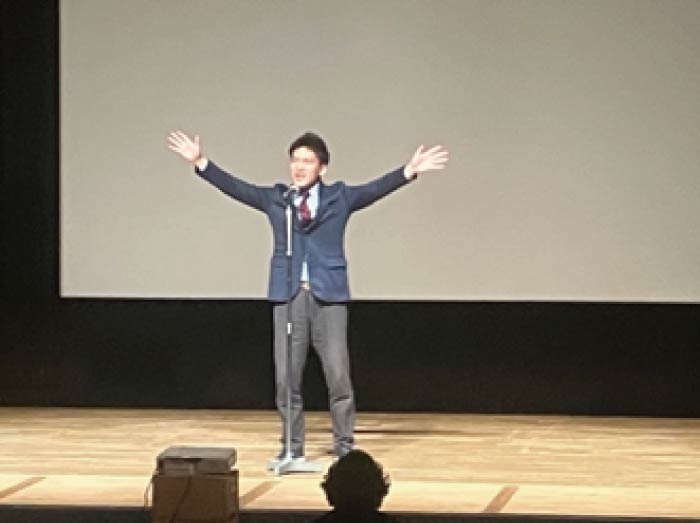
Mayor Watanabe’s Remarks
5. 2. Explanation of the Purpose
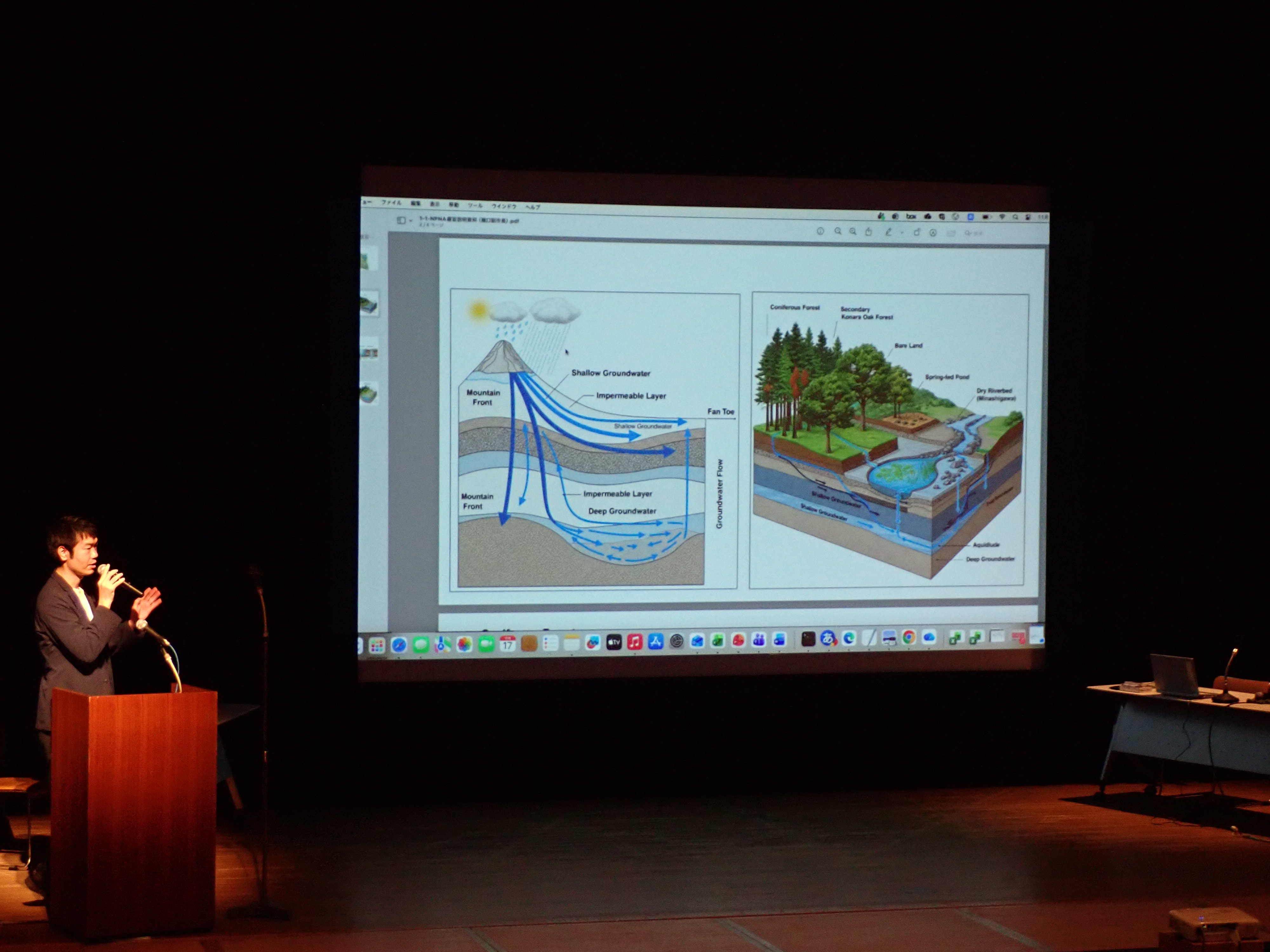
Next, Mr. Akira Takiguchi (Deputy Mayor of Nasushiobara City) gave a presentation on the nature of Nasunogahara and the Nature Positive Nasunogahara Alliance.
He explained the background and objectives behind the establishment of the Nature Positive Nasunogahara Alliance. In particular, he emphasized the importance of networking among participating organizations and individuals. He then provided an explanation of the formation of Nasunogahara, its topography, nature, groundwater, agriculture, and ecosystems, taking into account the characteristics of each region.
NPNA Purpose Explanation Materials (Nasushiobara City, Deputy Mayor Takiguchi)
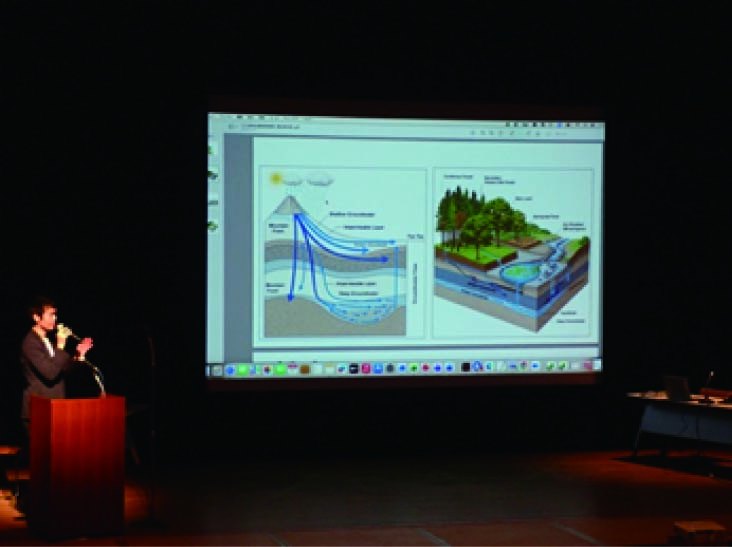
Remarks by Deputy Mayor Takiguchi
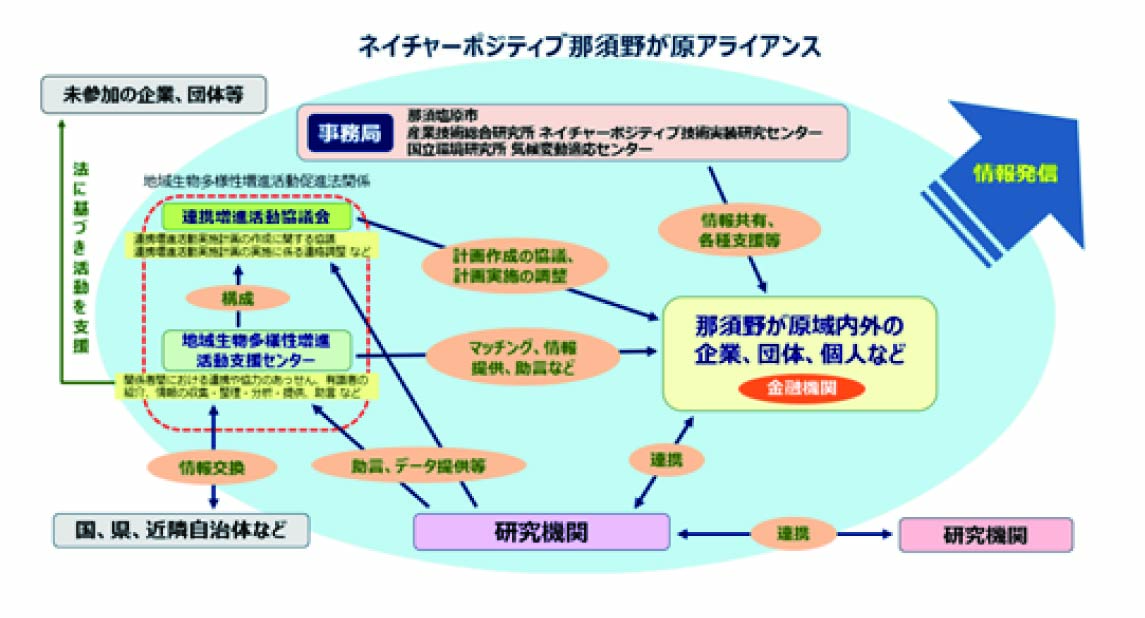
Structure of the Nature Positive Nasunogahara Alliance
5. 3. Objectives and Workshop Procedure
Mr. Tetsuo Hotaka (Deputy Director, Nature Positive Technology Implementation Research Center, National Institute of Advanced Industrial Science and Technology) explained the format of this workshop.
NPNA and Workshop Procedure Materials (Mr. Yasutaka, Deputy Director, AIST)
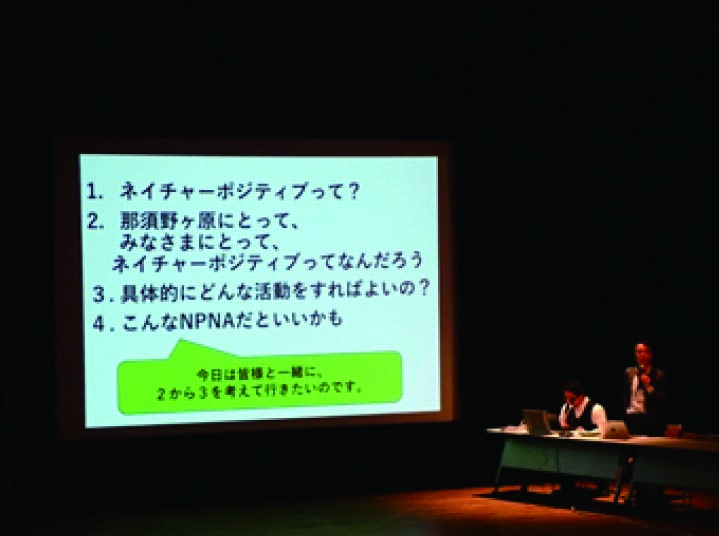
Explanation of the Workshop Format by Mr. Hotaka of AIST
“At NPNA, we plan to proceed with our activities in five steps.
1. Building a Shared Understanding (Understanding Nasunogahara, Understanding Global Trends)
2. Two-way dialogue (getting to know one another)
3. Setting Activities and Goals
4. Collaboration and cooperation
5. Reflection via PDCA and Re-setting Activities and Goals (Return to Step 3)
.
As a first step in today’s workshop and tomorrow’s excursion,
1. Building a shared understanding (learning about Nasunohara, understanding current trends)
2. Interactive dialogue (getting to know one another)
.
In the first half of today’s session—which includes activity reports from everyone and a presentation by the Ministry of the Environment—as well as during tomorrow’s excursion, we will focus on building a shared understanding (learning about the Nasuno Plain and current global trends). Additionally, through the workshop in the second half of today, we will engage in two-way dialogue (getting to know one another).
I hope this process will provide an opportunity for everyone to reflect on questions such as, “What specific activities should we undertake?” and “What kind of NPNA would be ideal?”
With today as our kickoff, we plan to finalize our activity guidelines by around March. Thank you for your cooperation today.
 5 Steps
Figure: The 5 Steps of NPNA’s Initiatives
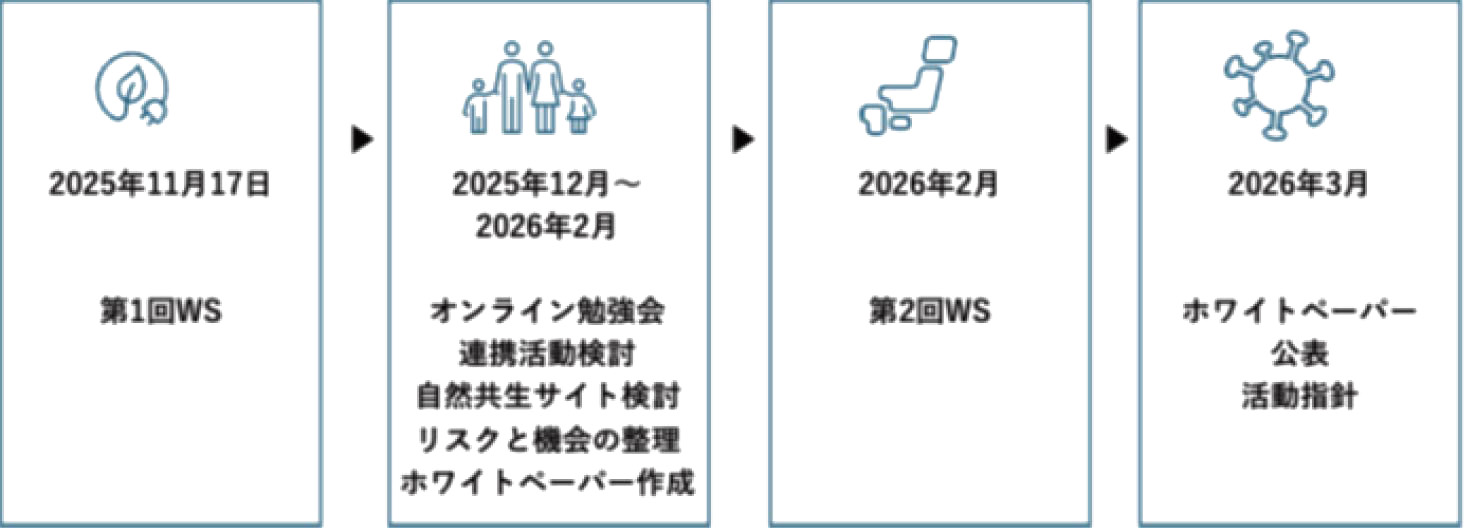
Figure: Proposed Plan for Moving Forward
5. 4. National Trends
Next, Mr. Yoshida from the Regional Nature-Positive Promotion Office, Natural Environment Planning Division, Natural Environment Bureau, Ministry of the Environment, gave a presentation on national initiatives. He provided a clear and easy-to-understand overview, covering international trends, recent initiatives by the Ministry of the Environment, and expectations for this alliance.
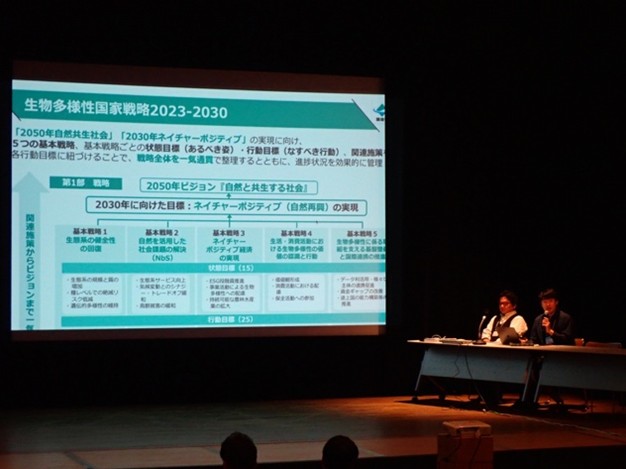
Presentation by Mr. Yoshida of the Ministry of the Environment
5. 5. Research Information Sharing Session
Presentations were given by the National Institute for Environmental Studies, the National Agriculture and Food Research Organization, and the National Institute of Advanced Industrial Science and Technology regarding the research they are conducting in the Nasunogahara area.
- What the National Institute for Environmental Studies Wants to Undertake in the Nasuno Plain (Mr. Akutsu, NIES)
- Groundwater in the Nasu Region: Insights from Previous Research on the Nasunogahara Alluvial Fan (Mr. Tsuchihara, National Agriculture and Food Research Organization)
- Verification of the Impact of Climate Change on Groundwater Levels in the Nasuno Plain (Mr. Fukumoto, National Agriculture and Food Research Organization)
- Introduction to the Wide-Area Water Environment Survey in the Nasuno Plain (Mr. Matsumoto, AIST)
- Research and Survey Activities of AIST’s NP Center in the Nasu-no-Hara Plain (Mr. Yasutaka, AIST)
Research Results Report by Mr. Akutsu, National Institute for Environmental Studies
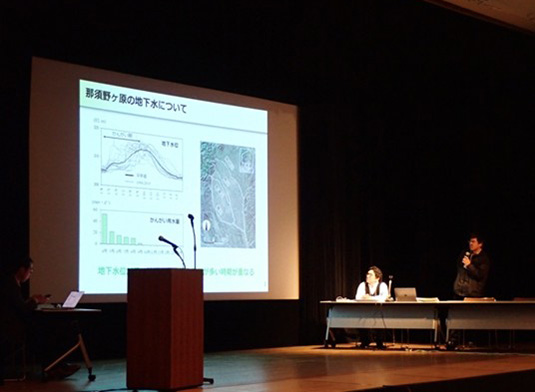
Research Results Report by Mr. Fukumoto (National Agriculture and Food Research Organization)
5. 6. Information Sharing by Participating Organizations
In the afternoon, 23 organizations and individuals gave five-minute short presentations to share information on local biodiversity and natural capital activities, local corporate activities, and activities by external organizations, thereby sharing foundational information regarding Nature Positive in Nasunogahara. Although each presentation was limited to five minutes, the session was very productive. Participants expressed that they would have liked to hear more. Below is a summary of each presentation prepared by the secretariat.
Session 1: Sharing Local Activities
3-1 Nasushiobara City Nature Positive Division: Regional Biodiversity Strategy
An overview of Nasushiobara City’s Regional Biodiversity Strategy was presented, covering key projects such as the 50by30 targets, wetland conservation, measures against invasive species, and the conservation of agricultural ecosystems.
3-2 Nasushiobara City Flora and Fauna Research Group
Centered around specialized subcommittees for plants, mammals, birds, amphibians and reptiles, fish, and insects, the group has been conducting ongoing surveys of flora and fauna since 2005, commissioned by the city, which has divided the city into four sections. The results are compiled and published as a Red Data Book.
3-3 Nasushiobara Environmental Volunteers Association
This section introduces the ongoing activities of citizen volunteers, such as the installation and maintenance of anti-browsing nets, aimed at restoring Nikko daylilies damaged by Japanese deer in the Numahara Wetlands.
3-4 The Association for Nurturing the 1,000-Year Forest
Recognizing the importance of local water resources and to foster the forest culture of the Nasuno Plain, this group works with citizens to conduct thinning operations. It also engages in activities such as promoting the local circulation of thinned timber and conducting environmental outreach classes at junior high schools.
3-5 Mr. Yasuo Kimura (Chairman, Nasu Cultural Research Society)
This section introduces his activities, which are driven by an interest in the relationship between culture and nature, stemming from his study of the history and culture of the Nasu-no-Hara region and his recognition of the history of human interaction with nature and the importance of nature itself.
3-6 Nakagawa Water Park
As an aquarium specializing in freshwater fish, this facility conducts local activities such as the conservation of Miyako Tanago and Itoyo fish, as well as the eradication of Uchida crayfish. It provides opportunities to engage with nature through educational programs like outreach classes and is also involved in surveying the Naka River watershed.
3-7 Tochigi Prefectural Fisheries Research Station
This section introduces the characteristics and habitat status of the Pacific landlocked Itoyo inhabiting the Nasu-no-hara region, and explains examples of conservation efforts, such as monitoring surveys and habitat restoration.
3-8 Nasu Takuyo High School
This section introduces school-led biodiversity conservation activities, such as the construction of new waterways, questionnaire surveys on dace and bivalve species, and breeding experiments for the Matsukasa clam, all led by high school students with the goal of reintroducing the Miyako dace into the wild.
3-9 Nasunogahara Museum
Under the theme of “The Pioneering of Nasunogahara and the Interplay of Nature and Culture,” this session introduces educational outreach activities such as the collection and preservation of materials in both the natural and human sciences, research, exhibitions, and educational workshops.
Session 2: Sharing Regional (Corporate) Activities
3-10 Shiseido Co., Ltd.
The Nasu Factory is located at the tip of the Nasunogahara alluvial fan and is rich in spring water and groundwater. We will introduce activities conducted in collaboration with stakeholders, such as Nasu Takuyo High School, aimed at realizing sustainable water resource management in the watershed. We will continue to promote these activities in collaboration with NPNA.
3-11 Nasunogahara Mirai Electric Power Co., Ltd.
Engages in activities such as electricity sales, decarbonization, strengthening resilience, and revitalizing the local economy. Introduces activities such as supplying electricity to local facilities like the Orito Power Plant on the Nasu Irrigation Canal, as well as environmental education programs at local elementary and junior high schools as part of community contribution initiatives.
3-12 Fujitsu Limited
We introduced Fujitsu’s efforts to address global environmental issues at the Nasu Plant and across the entire Fujitsu Group, as well as technologies related to biodiversity (such as AI analysis of bird songs). We aim to advance collaborative activities with NPNA, centered on the Nasu Plant.
3-13 Suzuki Electric Co., Ltd.
Founded in 1946, the company began by drilling wells in the Nasuno-ga-hara region. It focuses on electrical and facility construction, and also provides solar power generation and energy storage facility construction services. Going forward, the company aims to convert local resources into energy.
3-14 Environmental Research Institute Co., Ltd.
As an environmental consultant based in Kawagoe City, Saitama Prefecture, the company supports TFND registration and introduced its own nature-positive initiatives and case studies, including natural environment surveys.
3-15 Nasu Environmental Technology Center Co., Ltd.
We provide energy-saving and water treatment technologies, as well as environmental surveys, measurements, and analysis. We also engage in regional collaboration activities (such as aquatic organism surveys) with groups like the Gengoro Society, and we introduce our newly established Nasu Environmental Co-creation Lab.
3-16 Ashikaga Bank, Ltd.
Introduction to the sustainability policies of the Mebuki Financial Group and Ashikaga Bank, their five key issues, the bank’s own initiatives and support for customers regarding “contributing to a decarbonized society and environmental conservation,” and the importance of analyses and initiatives that take regional characteristics into account regarding natural capital.
3-17 Tochigi Bank, Ltd.
Introduction to the bank’s sustainability policy, regional economic circulation, and activities aimed at growing together with local businesses and the community. Additionally, an introduction to the joint declaration signed by Nasushiobara City and five financial institutions toward realizing a circular economy, as well as the various related study sessions being held.
Session 3: Sharing Activities of External Organizations
3-18 Yachiyo Engineering Co., Ltd.
Introduction to initiatives using a landscape approach to visualize groundwater and water flow in river basins, as well as efforts involving local residents, aimed at realizing the NP. The company is also participating in Japan Water Stewardship.
3-19 B.A.U.M. Consult Japan Co., Ltd.
An introduction to the business operations of this consulting firm, headquartered in Germany, which specializes in the environmental and energy sectors. The company has the potential to contribute to NPNA through consulting services for water footprint calculations.
3-20 MS&AD InterRisk Research Institute Co., Ltd.
While the company’s own operations make minimal use of nature, since its clients utilize natural capital, it provides services such as insurance as a risk solutions platform provider. Coexistence with the global environment is the top priority, with socio-economic considerations built upon that foundation. The company participates in numerous activities at both the global and local levels.
3-21 National Park Solutions Co., Ltd.
We are engaged in activities to preserve national parks for future generations. We create products (fashion) themed around national parks and donate the profits toward conservation. In October of this year, we installed nature-harmonious benches in the Numahara Wetlands. We collaborated with Nasushiobara City—both having adopted a 2050 Sustainable Vision—to create T-shirts, and we also designed T-shirts for NPNA.
3-22 Biome Co., Ltd.
Developed the "Biome" wildlife collection app, which has over 1.2 million registered users. Presentation of activities involving biodiversity collaboration with 400 companies and 70 local governments/public agencies to date, including support for app-based initiatives and the creation of TNFD reports.
3-23 Tohoku University NP Society Realization Hub
Introduction to the Tohoku University NP Society Realization Hub, established in 2024 through the ST Co-creation Space Formation Support Program (COI-NEXT) (with participation from AIST and NIES). The "Guide to Regional Nature-Positive Activities" was also introduced.
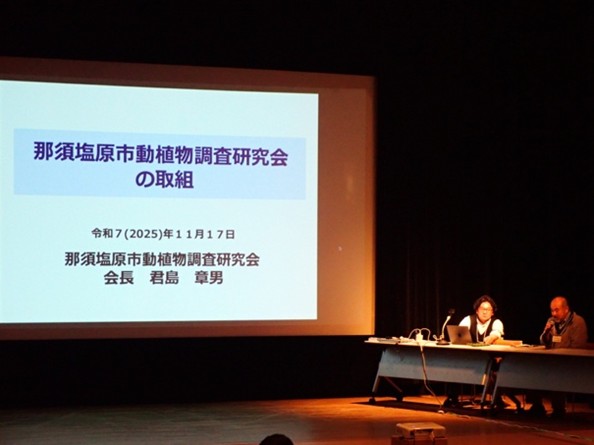
Mr. Kimishima, Nasushiobara City Society for the Study of Flora and Fauna
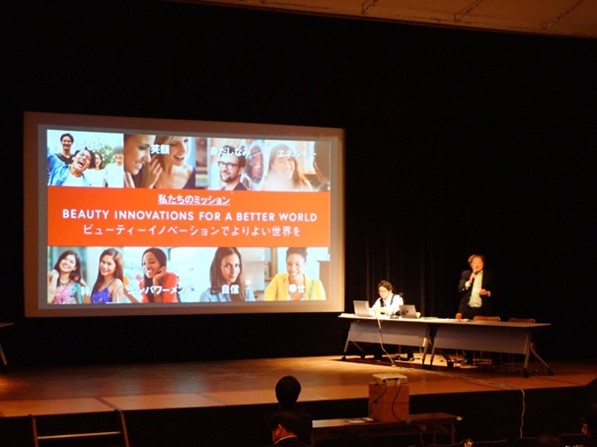
Shiseido: Mr. Taguchi
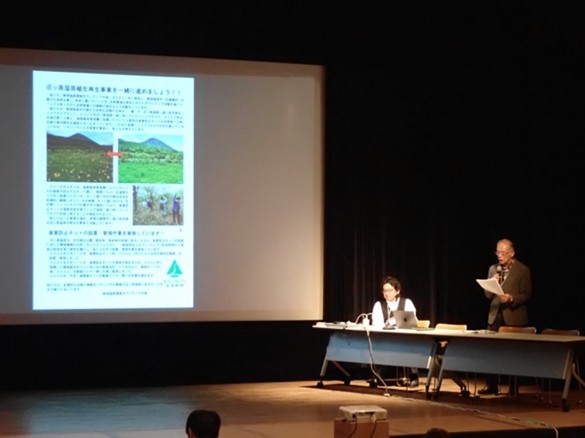
Nasushiobara Environmental Volunteers Association
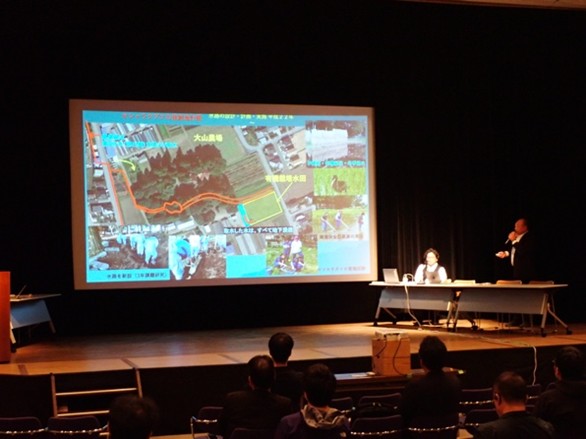
Nasu Takuyo High School: Mr. Ikeda
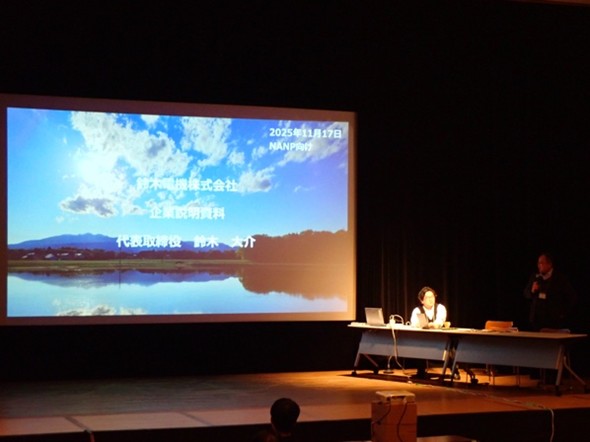
Suzuki Electric: Mr. Suzuki
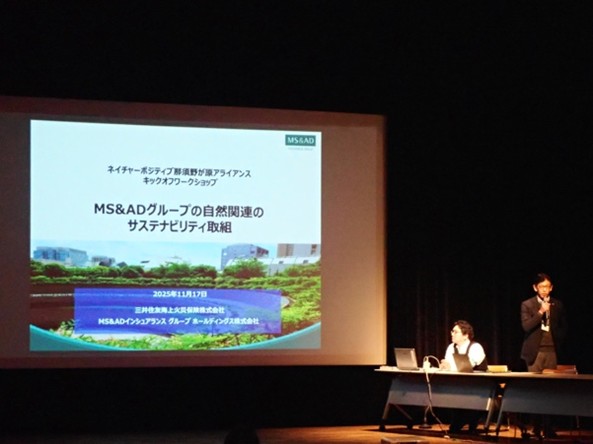
MS&AD: Mr. Oki
5. 7. Workshop
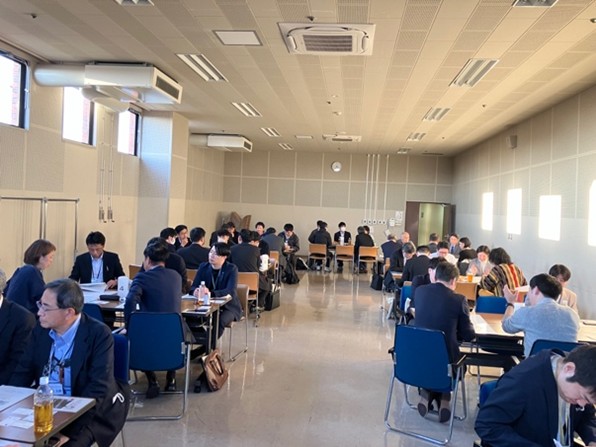
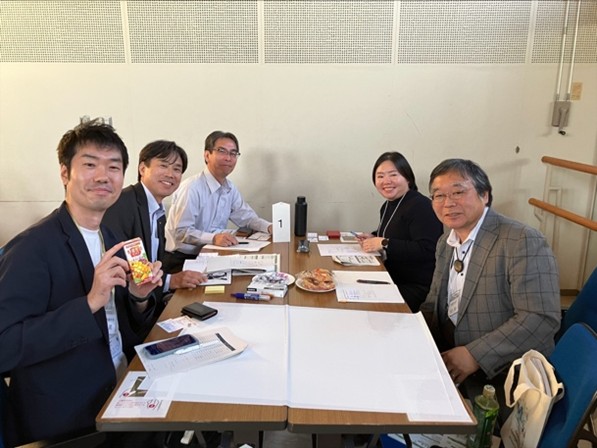
Starting at 3:20 PM, we held a workshop with a total of 16 groups, each consisting of 5–6 participants from different fields.
- Natural Capital Considered Important in the Nasuno Plain and Natural Capital Facing Crisis
- What can each participant do from the perspective of their respective affiliations and roles to conserve and develop these natural capital assets?
- What kind of future collaboration is possible between the NPNA and participating members?
The 40-minute workshop flew by, and 16 facilitators summarized and presented the discussions from their respective groups.
Group 1
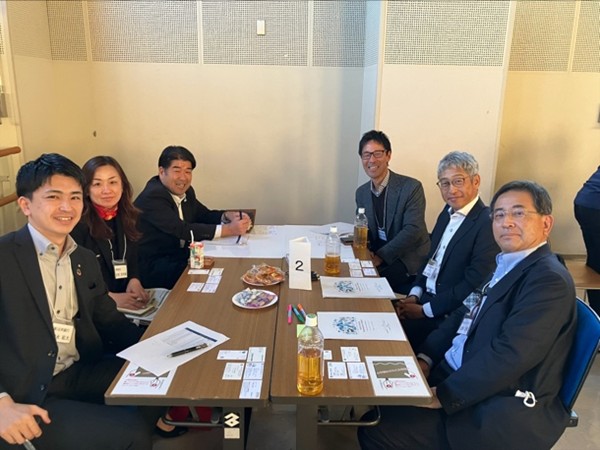
Group 2
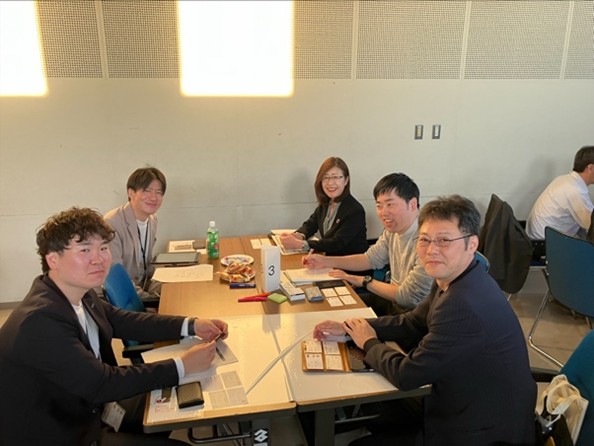
Group 3
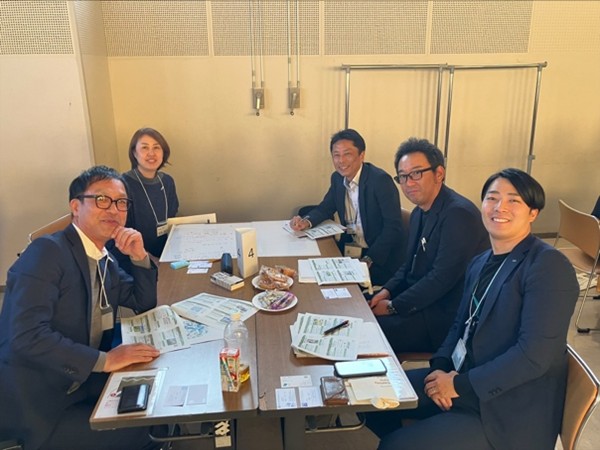
Group 4
Group 5
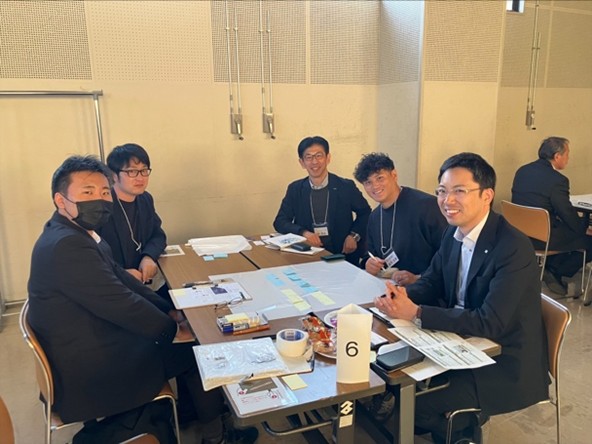
Group 6
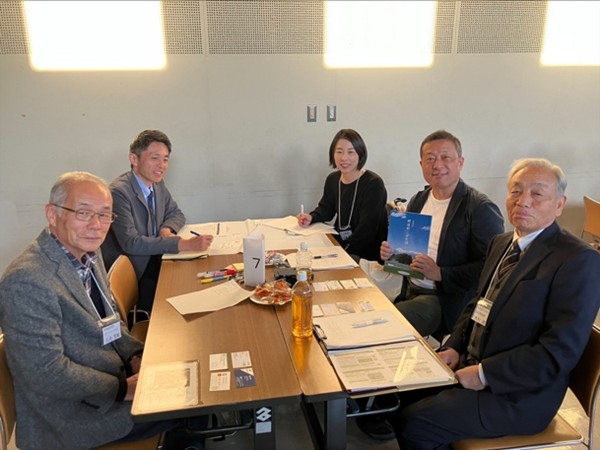
Group 7
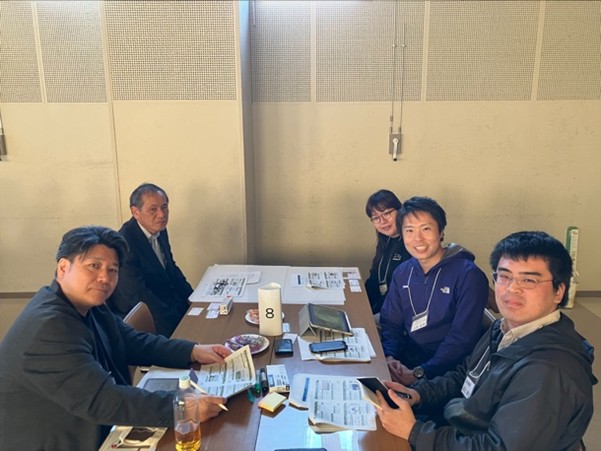
Group 8
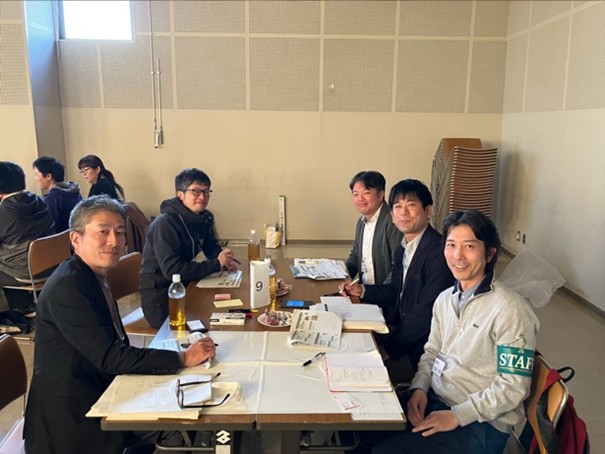
Group 9
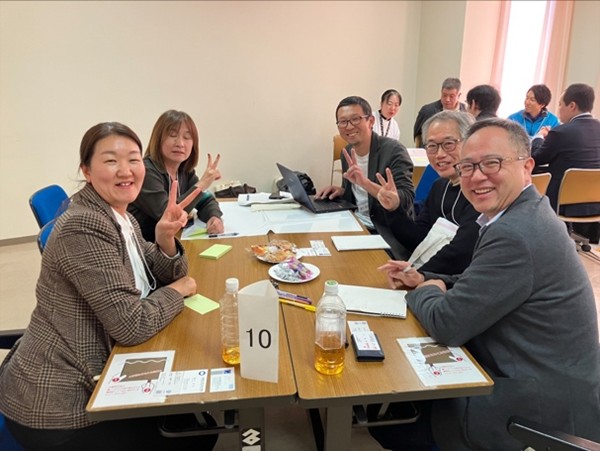
Group 10
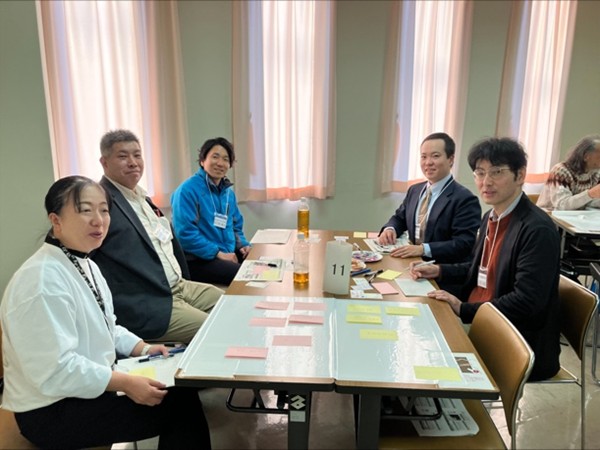
Group 11
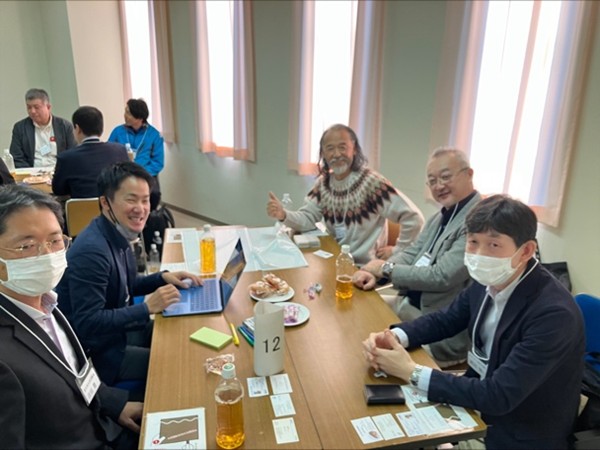
Group 12
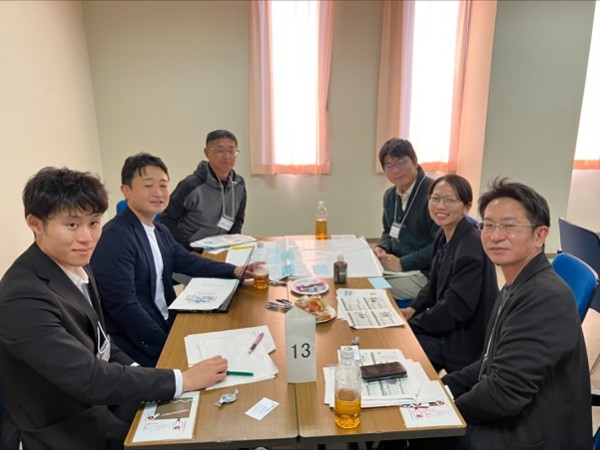
Group 13
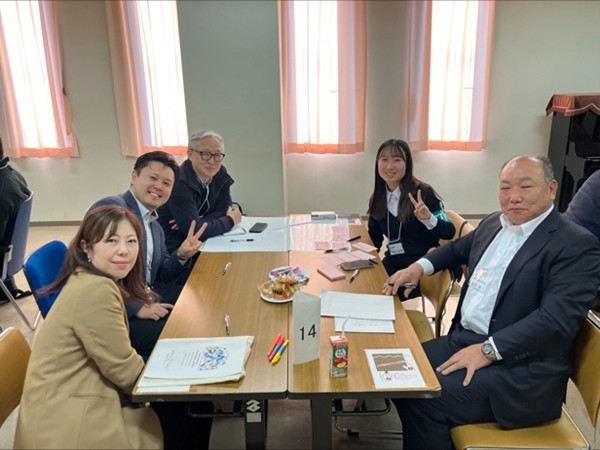
Group 14
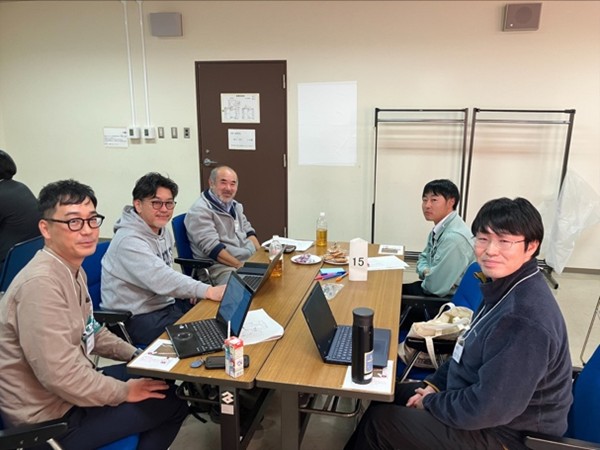
Group 15
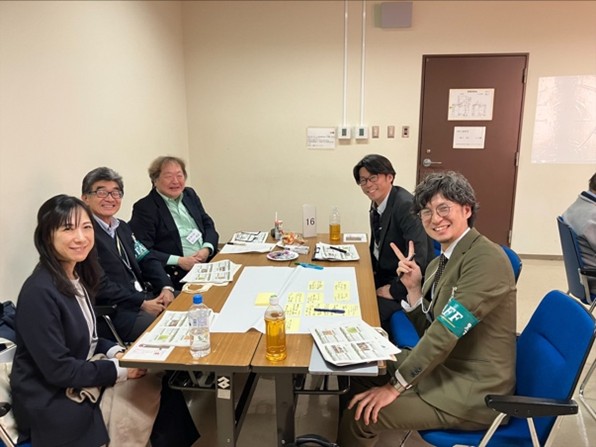
Group 16
Workshop Overview
Based on the facilitators’ presentations, we used Copilot to create summaries and generate thematic maps (clustering).
First, the results of the thematic mapping identified the seven topics shown in the figure. A notable feature was that, in addition to topics related to natural capital—such as water, groundwater, and springs; forests, satoyama, and lowland forests; biodiversity and invasive species; and monitoring and data—many topics related to socio-economic elements, such as industry, economy, and funding; collaboration, alliances, and regulations; and education, human resource development, and outreach, were also raised.
Figure: Thematic mapping of opinions raised during the workshop
In addition, the following summaries, based on the three themes and generated using Copilot, are presented below. Thank you to all the participants and facilitators.
① Characteristics of Nasunogahara and the Significance of Alliances
Nasuno-gahara is a region where diverse natural assets and industries coexist, making collaboration among businesses, government, and research institutions highly significant. Initiatives to leverage local expertise are emerging, such as information sharing among small and medium-sized enterprises (SMEs) and proposals for a company holding 50 years of water data to provide that data to research institutions.This is also serving as an opportunity for companies themselves to reassess their environmental footprints. The face-to-face relationships fostered by the NPNA can serve as a platform for jointly envisioning the region’s future and developing human resources—including through workforce development and regional design—in collaboration with local governments and universities. The value of the alliance lies in establishing a foundation that enables diverse stakeholders to engage with natural capital and advance sustainable regional development.
② The Crisis of Natural Capital and the Importance of Monitoring and Visualization
In local communities, crises in natural capital are becoming apparent, including declining biodiversity, an increase in invasive species, deforestation, and the risk of water source depletion. There is a strong need to continuously monitor the dynamics of flora and fauna, such as the impact of deer and longhorn beetles on vegetation and the role of plants in preventing landslides. Residents are also reporting a tangible decline in aquatic insects and newts, indicating that scientific findings are aligning with residents’ firsthand experiences.Companies can contribute through technology, AI, and data analysis, while financial institutions are discussing the creation of mechanisms to evaluate positive initiatives. Visualizing the state of natural capital, communicating it to citizens, and incorporating the concept of Natural Capital (NP) into educational settings will serve as the foundation for fostering understanding and action.
③ The Future of Sustainable Community Development and Collaboration
For land use and forest conservation, a collaborative framework in which companies, research institutions, local governments, and conservation groups share roles is essential. Mechanisms are also needed to turn insights gained from monitoring and analysis into educational materials and circulate them back into the community. Proper management of groundwater is indispensable for protecting abundant water resources, and building sustainable business models—such as linking with industry and the economy, and utilizing branding and certification systems—is also on the horizon.Water, forests, and ecosystems are interrelated, and it is precisely because these challenges cannot be narrowed down to a single issue that there is value in connecting different stakeholders. The NP Alliance serves as a platform where organizations that previously had little contact can share common challenges and generate new actions, acting as a driving force to practically shape the future of the region.
5. 8. Closing
To conclude the session, Mr. Yasutaka (AIST), Mr. Akutsu (NIES), and Mr. Takiguchi (Nasushiobara City)—representing the NPNA Secretariat—delivered closing remarks and summaries.
Mr. Hotaka (AIST)
The NPNA brings together a diverse range of stakeholders and fosters a friendly, collaborative environment. Beyond the preservation of natural capital, mechanisms to ensure the circulation of funds and education for the next generation are crucial, and we look forward to furthering these discussions. We plan to hold study sessions and organize another workshop in February or March. We appreciate your continued cooperation.
Mr. Akutsu (National Institute for Environmental Studies)
While NIES’s objective was to organize the activities of various stakeholders, it was meaningful to hear from such a diverse group of people at this workshop. It is wonderful that the NPNA has been established in this way, and we hope to continue this initiative successfully in the future.
Mr. Takiguchi (Nasushiobara City)
The short-sleeved T-shirts (with the NPNA logo) aren’t as cold as you might think if you wear a jacket over them. We want to move forward with NP in a stylish and cool way. We received ideas on how best to proceed with the NPNA. Please feel free to reach out to nearby companies as well. We appreciate your continued support.
6. Excursion (Day 2)
On the second day’s excursion, we conducted on-site inspections of the Nasunohara region and groundwater/environmental DNA surveys, visiting Onuma Park, the overflow point of the Hebi River, the Nasunohara Museum, Nogi Shimizu, and Nakagawa Water Park. On the bus, Mr. Yasuo Kimura (Chairman of the Nasu Cultural Research Society) gave us an explanation about the history, culture, and nature of Nasunohara.Mr. Kimura, that was very informative. Thank you very much.
6. 1. Onuma Park
Onuma Park is a wetland stretching east of Mt. Shinyufuji and is known as a habitat for the Japanese giant tree frog, a designated Natural Monument. Clusters of skunk cabbage can also be seen there. This area features numerous wetlands due to the terrain, including fissures resulting from volcanic activity in the Kogen Mountain Range.
At Onuma Park, Mr. Akio Kimishima, Chairman of the Nasushiobara City Flora and Fauna Research Society, told us that deer damage has been occurring in the skunk cabbage colonies at Onuma Park; that although fences were installed to prevent the damage, it took several years for the flowers to return to their original size; and that constant observation to quickly detect changes in the environment is the key to conservation. Thank you very much, Mr. Kimishima.
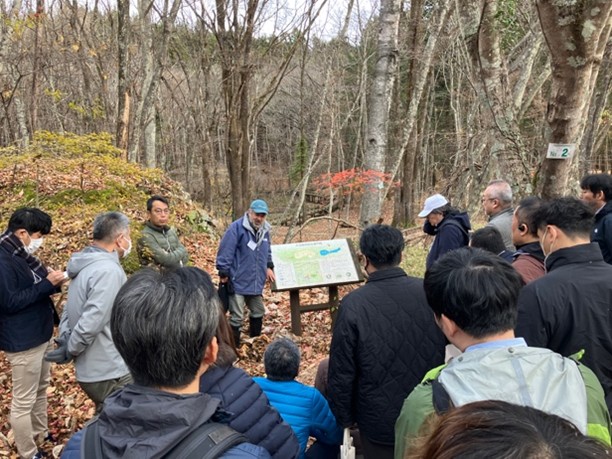
Professor Kimijima's explanation at Lake Onuma
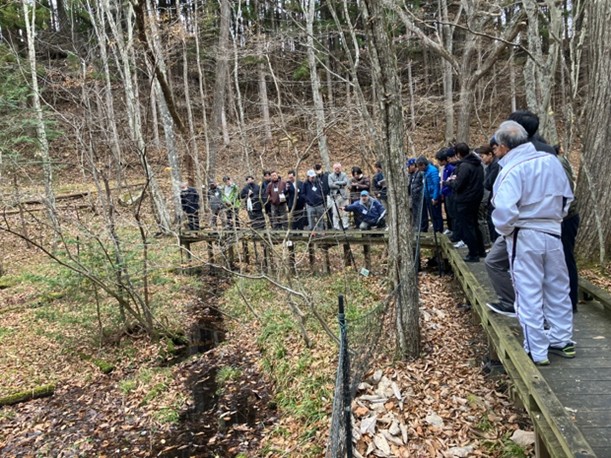
Deer Fence, Skunk Cabbage
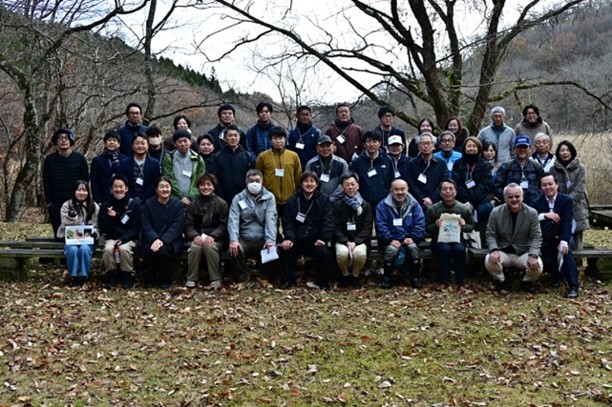
Group photo at Lake Onuma
6. 2. The Washigose Crossing of the Jabo River, Nasunogahara Museum
The Jaba River’s washout is a nationally rare site where a national highway crosses the riverbed. Mr. Tawada of the Nasunogahara Museum provided a detailed explanation of the Jaba River’s formation and geology.He explained that while water flows as groundwater near the crossing, the boundary where the water emerges to the surface can be observed between the central and peripheral parts of the alluvial fan downstream. We also learned a great deal at the Nasunogahara Museum about the formation, culture, water utilization, geology, and flora and fauna of the Nasunogahara region.
Thank you very much, Mr. Tawada.
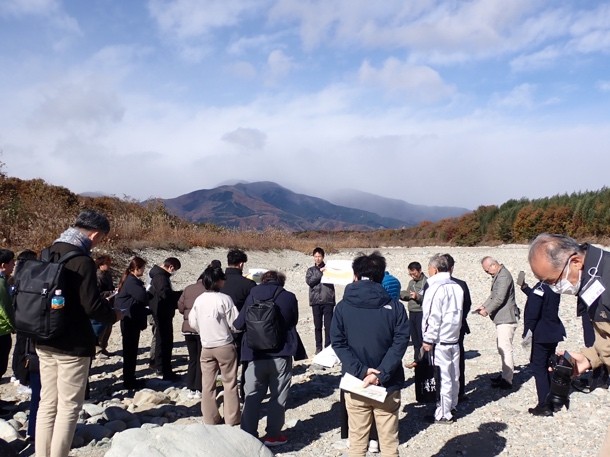
Mr. Tawada's explanation
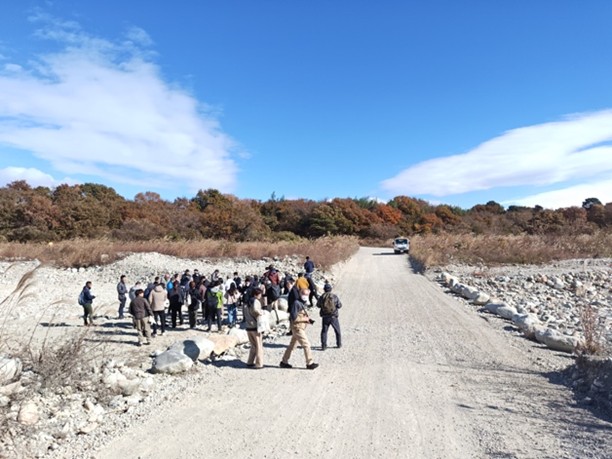
The overpass over the Jabo River (a road over the river!)
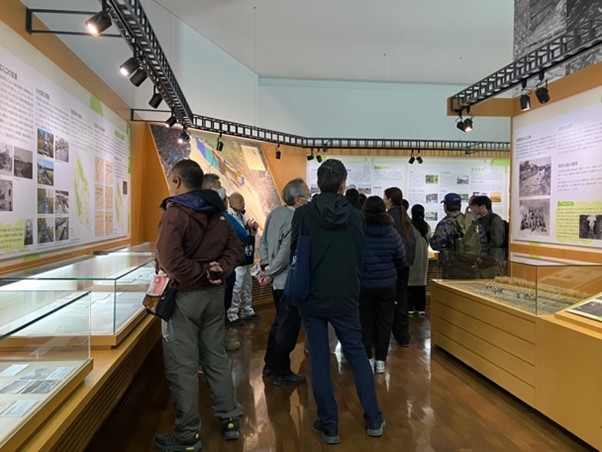
Tour of the Nasunogahara Museum
6. 3. Observation of the Nogi Shimizu Spring and Environmental DNA Sampling Procedures
Nogi Shimizu is a spring that emerges within the woods of Nogi Shrine. It is said that Army General Nogi Maresuke washed his face here while living in the area. The spring flows from around May through January of the following year, seeping out along the Degama area and the stream of clear water (source: Nasushiobara City website).
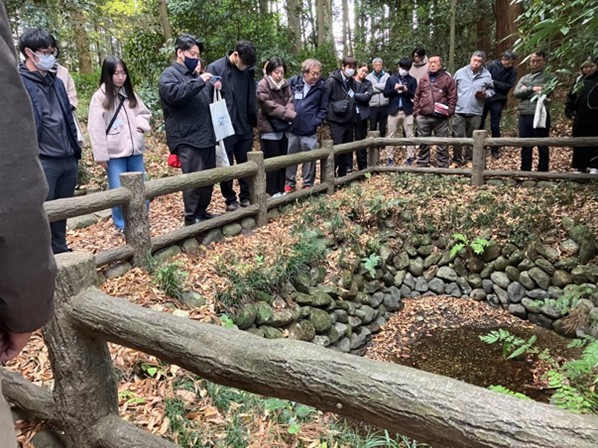
Nogi Spring (Low water level!)
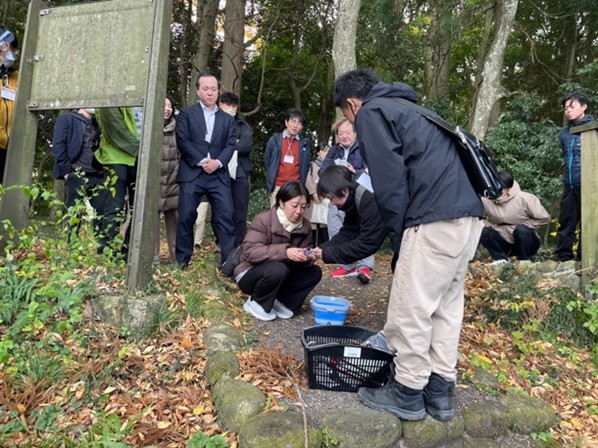
Environmental DNA Demonstration
During our visit to the Nogi Spring, the flow was extremely low, and we could only see a small pool of water—barely more than a puddle (though I’ll admit the secret was that the organizing committee got a little worried). Most of the water in the channel had seeped underground, and the bottom of the downstream channel and pond was clearly visible. Although it was November, we were able to confirm firsthand that the spring’s flow decreases during periods of low rainfall.
Participants commented that, based on the prior tour of the “Arikoshi” and the explanations at the museum regarding subsurface flow, fan margins, and springs near geological boundaries, they were able to visualize how groundwater that had infiltrated in the upper watershed emerges as a spring at Nogi Shimizu.
We also conducted an on-site demonstration of environmental DNA sampling. We demonstrated the conventional method using Steribex filters and invited participants to try it themselves. Additionally, since some participants had never seen a water level gauge used to measure groundwater levels, we also demonstrated a water level gauge (the type that beeps when the sensor touches the water surface).
Thank you very much, Mr. Matsumoto.
6. 4. Nakagawa Water Park
The Nakagawa Water Park opened in July 2001 and is managed and operated by the Tochigi Prefecture Agricultural Promotion Public Corporation under a designated management agreement with Tochigi Prefecture. Facilities where visitors can learn about and interact with aquatic ecosystems are located within the park’s vast 25-hectare grounds.
On the day of the visit, after receiving an explanation from Mr. Watanabe of Nakagawa Water Park, we were given a tour of the facility. Many fish species found from the headwaters to the lower reaches of the Naka River were on display, with a focus on freshwater fish. We were also able to confirm the presence of the threadfin loach and the Miyako dace, which had been a topic of discussion since yesterday.
Furthermore, further along the tour, we encountered a tank where we could watch the giant Amazonian fish, the pirarucu, feeding overhead, and the compact facility offered a vast underwater world.
Thank you very much, Mr. Watanabe.
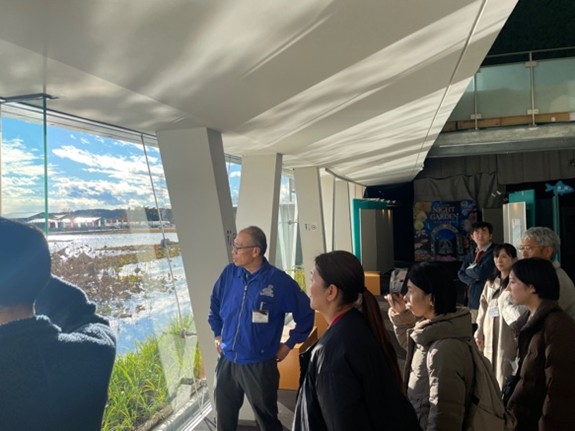
Mr. Watanabe’s tour of the facility
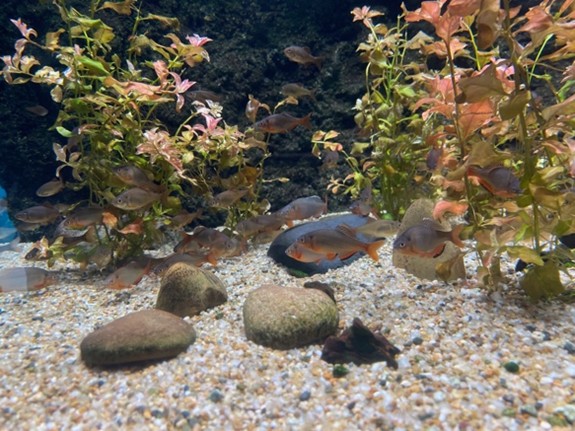
Miyako Tanago
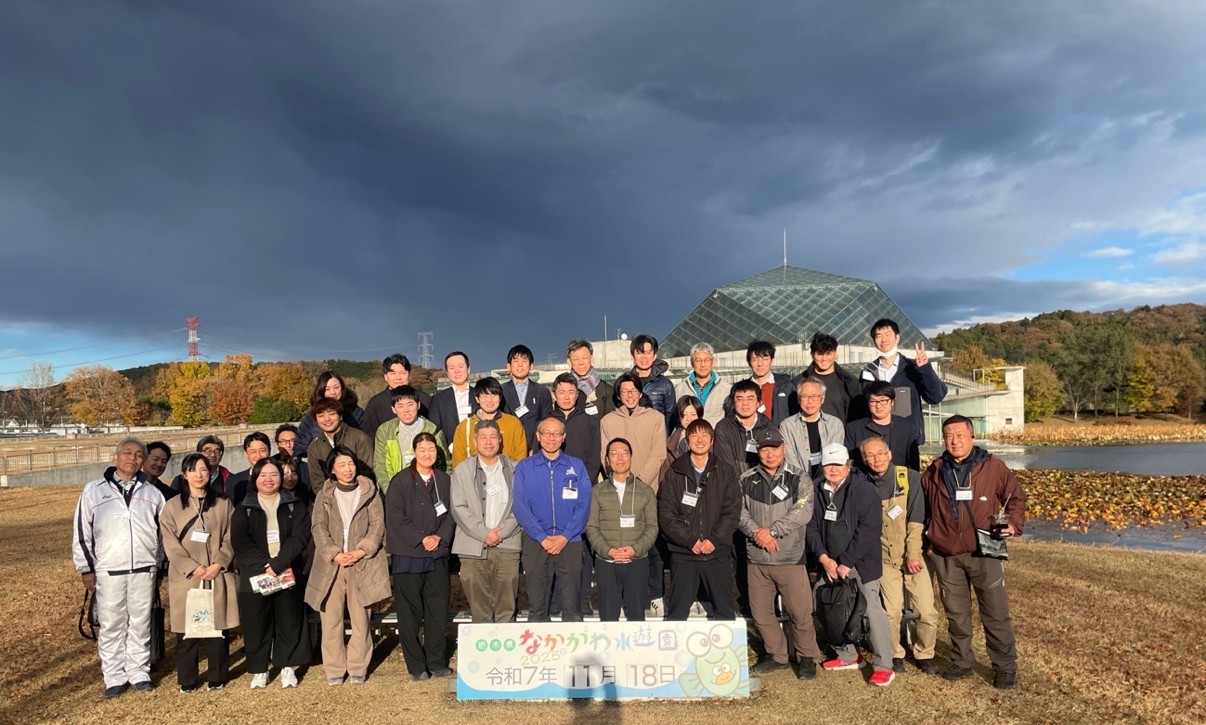
Group photo at Nakagawa Water Park
7. Questionnaire
7. 1. Satisfaction
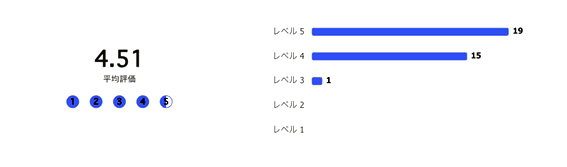
We conducted a satisfaction survey. We received a high rating of 4.51 (with 5 being the highest!).
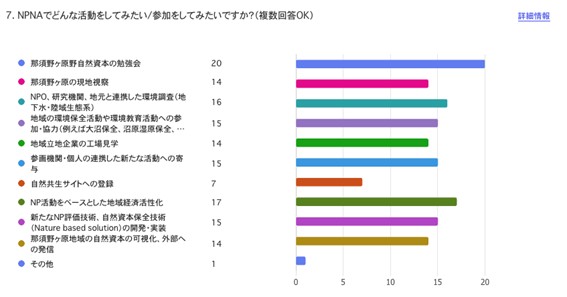
February 7: Activities We’d Like to Try at NPNA
When we asked everyone what kind of activities they would like to undertake with NPNA, there was a high level of enthusiasm for all of them. Thank you very much.
7. 3. Feedback on the Kickoff Workshop
We received feedback from many participants. I would like to share it with you.
- With so many people in attendance, it was a kickoff event that clearly conveyed the purpose of our participation.
- It was a lot of fun. I realized once again that bringing together people from different backgrounds is crucial for advancing Nature Positive. The participants also seemed to be enjoying themselves.
- I learned a great deal from the overall flow of the event and hearing about everyone’s initiatives.
- I felt a sense of anticipation that this will become an alliance where everyone participates. Mr. Hotaka, who facilitated the event, really brought his personality to the table, creating a great atmosphere.
- I could sense the participants’ genuine commitment.
- Learning about the initiatives of so many stakeholders was very helpful for future collaboration.
- It was extremely meaningful to network with a diverse range of people involved in Nature Positive, including those from research institutions, companies, and organizations.
- It was a very educational event to hear firsthand about local challenges from residents who have a deep attachment to Nasushiobara City. I also appreciated being able to build closer relationships with others at the networking reception.
- It was great to exchange ideas with people outside the company. I found their perspectives—which differed from those within our company—very helpful.
- It was great to be able to talk with people from various backgrounds.
- (Regarding the workshop) Since there was only one corporate participant per group, we need a few more participants to adequately explain the corporate perspective.
- It was great to hear the opinions of so many different people.
- It was a very educational experience. It also renewed my determination to do my best for NP in a setting like this.
- It was good to hear about the activities of the participating organizations, but the time was too short.
- I think it was great that the workshop had such a relaxed atmosphere.
- Listening to everyone’s stories and learning about the diverse perspectives on Nature Positive made for an exciting workshop.
- So many companies and organizations gathered, and the energy was high; I’m looking forward to their future activities.
- I thought the group assignments were great because they were so diverse. I wonder if they were intentionally organized to avoid grouping people from the same industry together.
- I learned a great deal. I was able to experience nature firsthand, something I rarely encounter in my daily work.
- It was a very meaningful opportunity to learn about the current state of nature in Nasushiobara City.
- Thank you for making all the arrangements. It was a very educational experience. I look forward to continuing our collaboration.
- I was deeply impressed by how hard the organizing team, led by Professor Hotaka and Deputy Mayor Takiguchi, worked on the preparations and activities.
- Participants from diverse backgrounds gathered, and I could feel a high level of enthusiasm. It was a very promising event.
8. Future Plans
We will treat December as a preparation period and move forward with study sessions and collaborative activities in preparation for the second workshop in February. We hope this workshop will serve as a catalyst for Nature Positive collaboration in Nasunohara and become a pioneering example of regional Nature Positive initiatives, which are just beginning to take shape around the world.
9. Acknowledgments
We would like to express our gratitude to everyone who cooperated in organizing this kickoff workshop, as well as to those who provided explanations during the excursion. We also received a donation of juice from Kagome Co., Ltd. We extend our sincere thanks once again.