Research
*Corresponding author.
Researchers in this group are indicated in bold.
Environmental impact assessment for marine mineral resource development
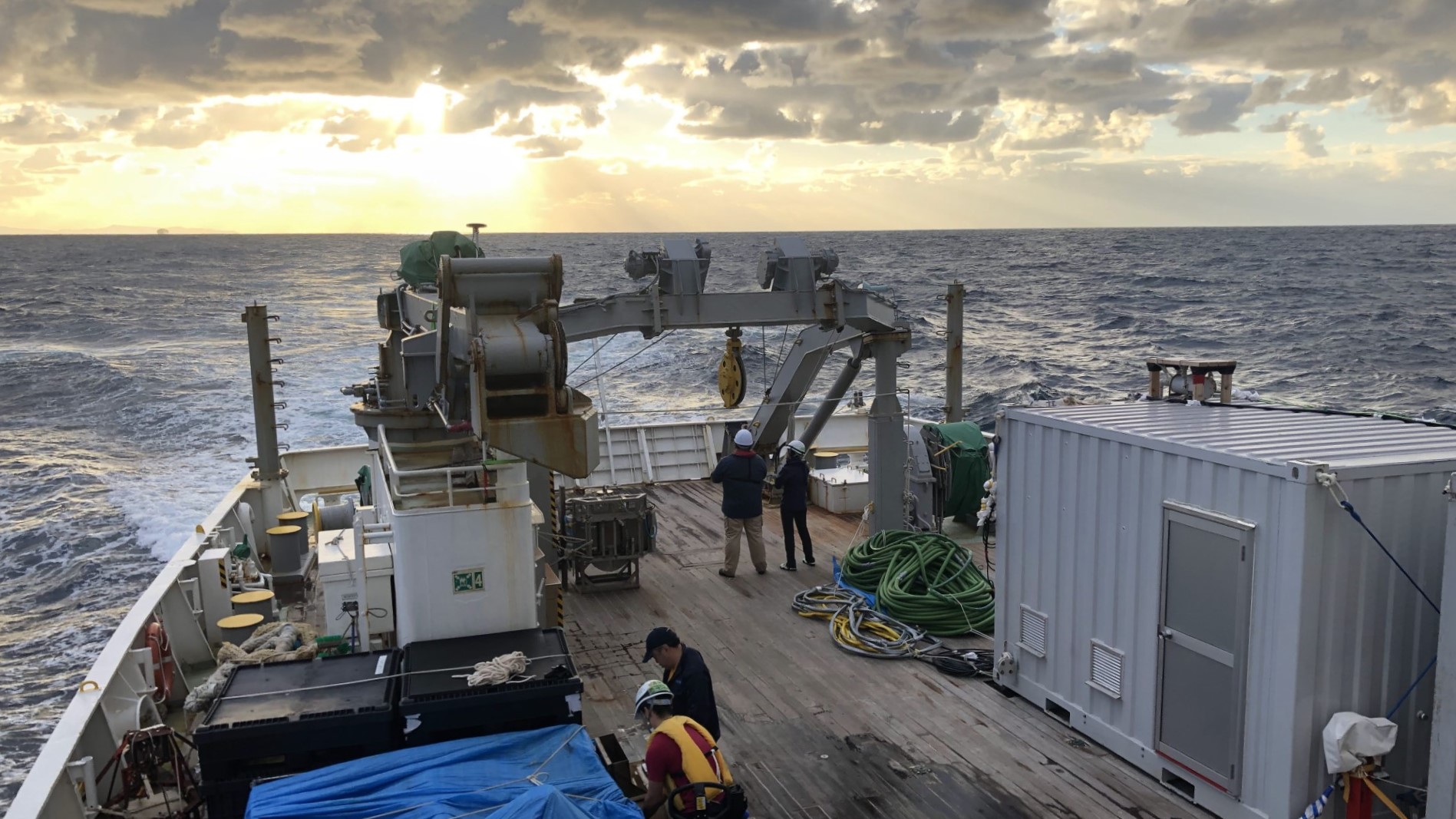
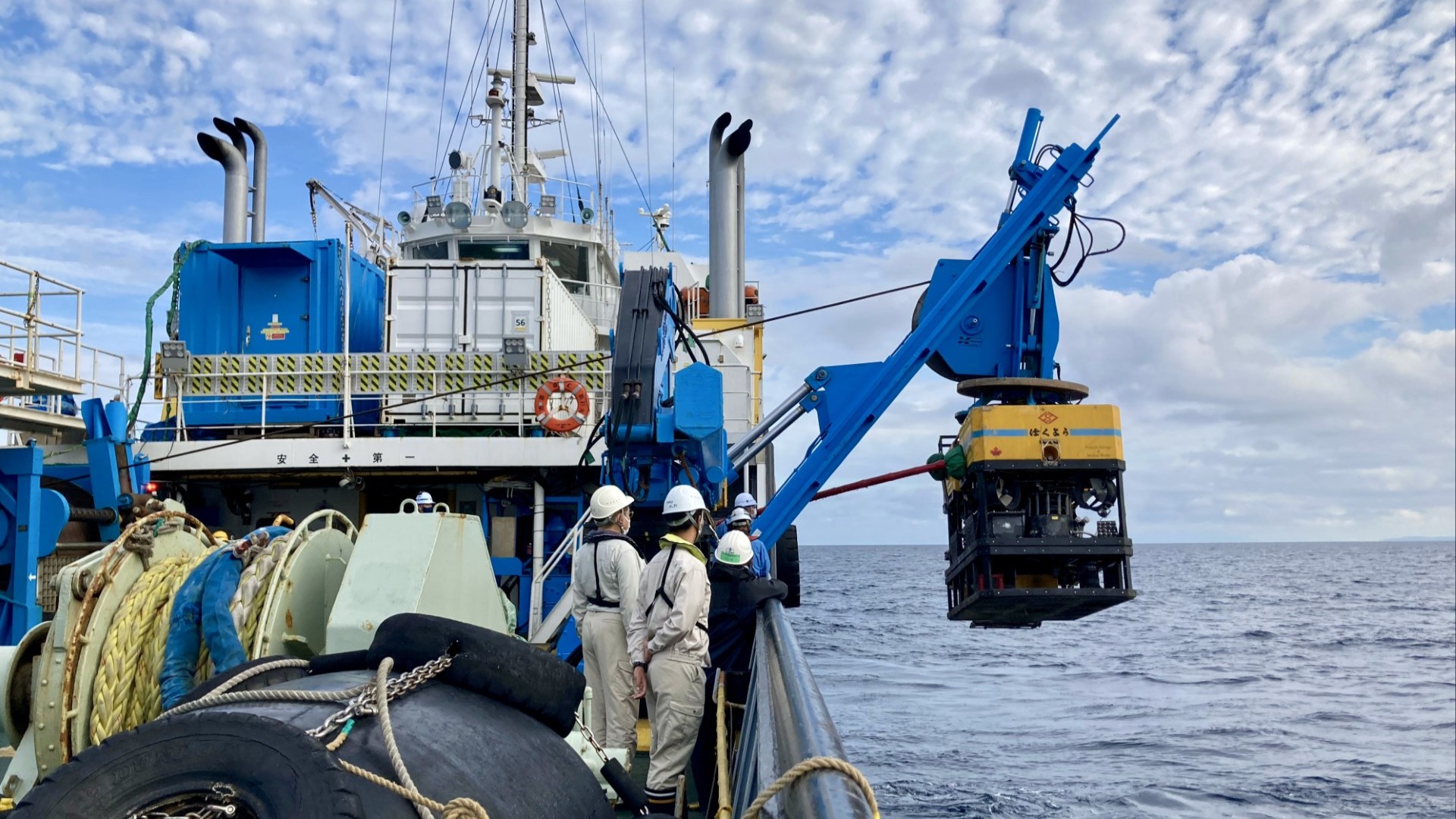
Cobalt-rich crusts, manganese nodules, and seafloor hydrothermal deposits distributed on the deep seafloor are attracting attention as potential mineral resources. Our group conducts environmental baseline surveys and environmental impact assessments for the development of these marine mineral resources in accordance with standards developed by the International Seabed Authority (ISA). We also carry out fundamental research on the formation of marine mineral resources, aiming to apply the results to environmental impact assessment.
Related papers
- Yamaoka K*, Washburn TW, Iguchi A, Suzuki A, et al. (2025) Sediment properties in the western Clarion-Clipperton Zone, Pacific Ocean. Elementa: Science of the Anthropocene, 13(1), 00003.
- Saito N*, Kise H, Washburn TW, Ikeuchi E, Iguchi A, Kamoshida H, Suzuki A (2025) Seamount larval dispersal networks: A potential strategy for conserving ecological connectivity from deep-sea mining. Ecological Applications, 35(7), e70086.
- Iguchi A*, ..., Suzuki A (2024) Utilizing environmental DNA and imaging to study the deep-sea fish community of Takuyo-Daigo Seamount. npj biodiversity, 3, 14.
- Kise H, Iguchi A*, ..., Suzuki A (2023) Genetic population structures of common scavenging species near hydrothermal vents in the Okinawa Trough. Scientific Reports, 13, 2348.
Environmental impact assessment for shallow methane hydrate development
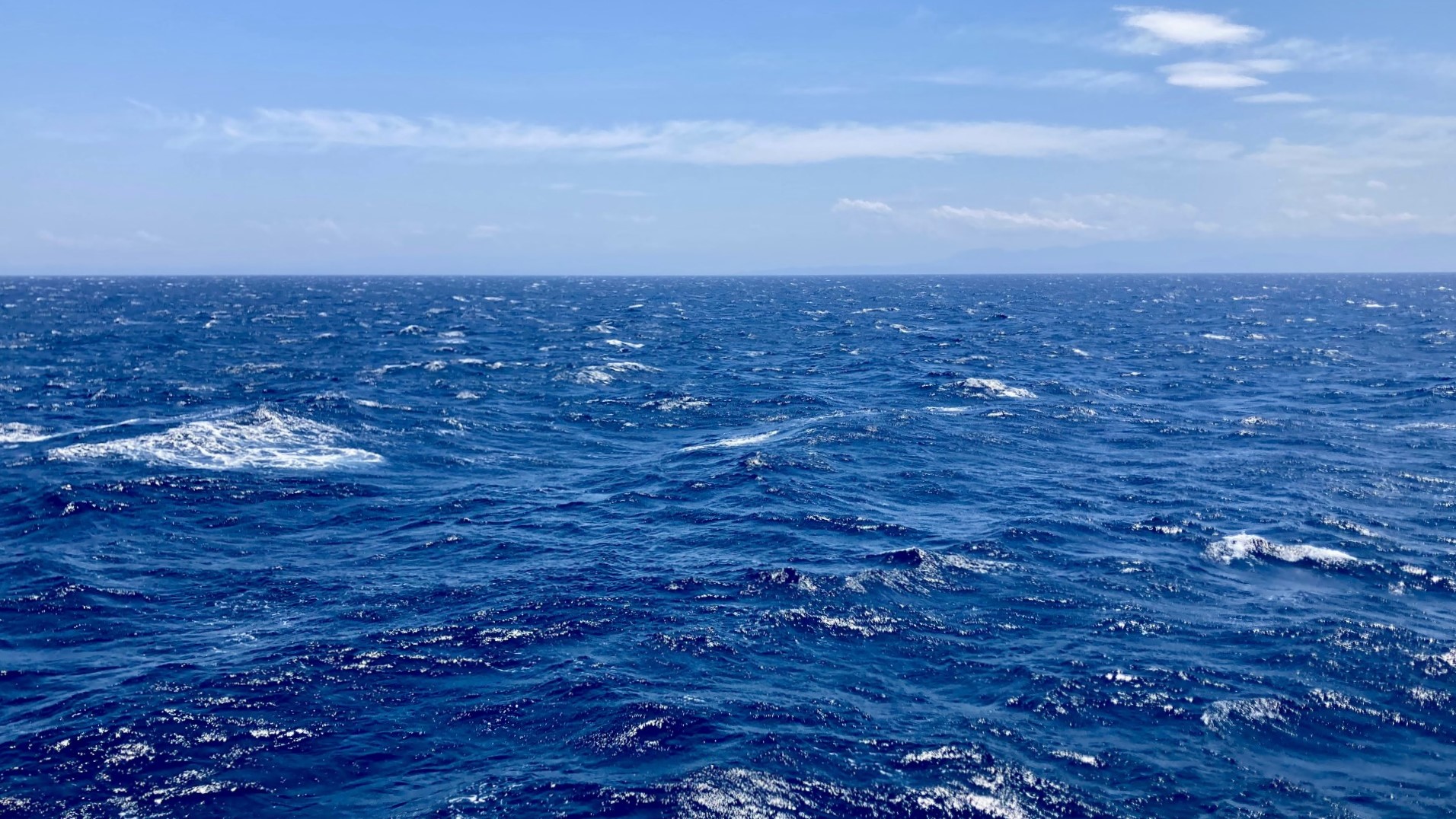
Shallow methane hydrates found near the seafloor are expected to serve as a natural gas resource. Our group conducts environmental impact assessments assuming the development of shallow methane hydrates in Japanese coastal waters. We are advancing environmental survey methods using chemical analysers, genetic analysis systems, and instruments for measuring physical environments, while also conducting pseudo-in situ environmental experiments in land-based facilities such as tanks.
Related papers
- Ishida H*, Seo E, Iguchi A, Nishijima M, Ikeuchi E, Kise H, Suzuki A, et al. (2025) Hydrogen sulfide, hypoxia, and low salinity tolerance of deep-sea amphipods (Pseudorchomene sp.) collected from the sea floor off Joetsu, Sea of Japan. Marine Pollution Bulletin, 219, 118340.
- Ota Y*, Suzumura M, Tsukasaki A, Suzuki A, Yamaoka K, et al. (2022) Anaerobic oxidation of methane and trace-element geochemistry in microbial mat-covered sediments related to methane seepage, northeastern Japan Sea. Chemical Geology, 611, 20.
Scientific support for nature-positive actions
“Nature positive” refers to halting the loss of nature caused by human activities and placing nature on a path to recovery. Members of our group also play central roles in AIST’s Integrated Research Center for Nature Positive Technology, established in 2025. By combining technologies for diagnosing and mitigating human impacts on nature with technologies for monitoring biodiversity, we provide scientific support for companies and local governments working towards nature-positive outcomes.
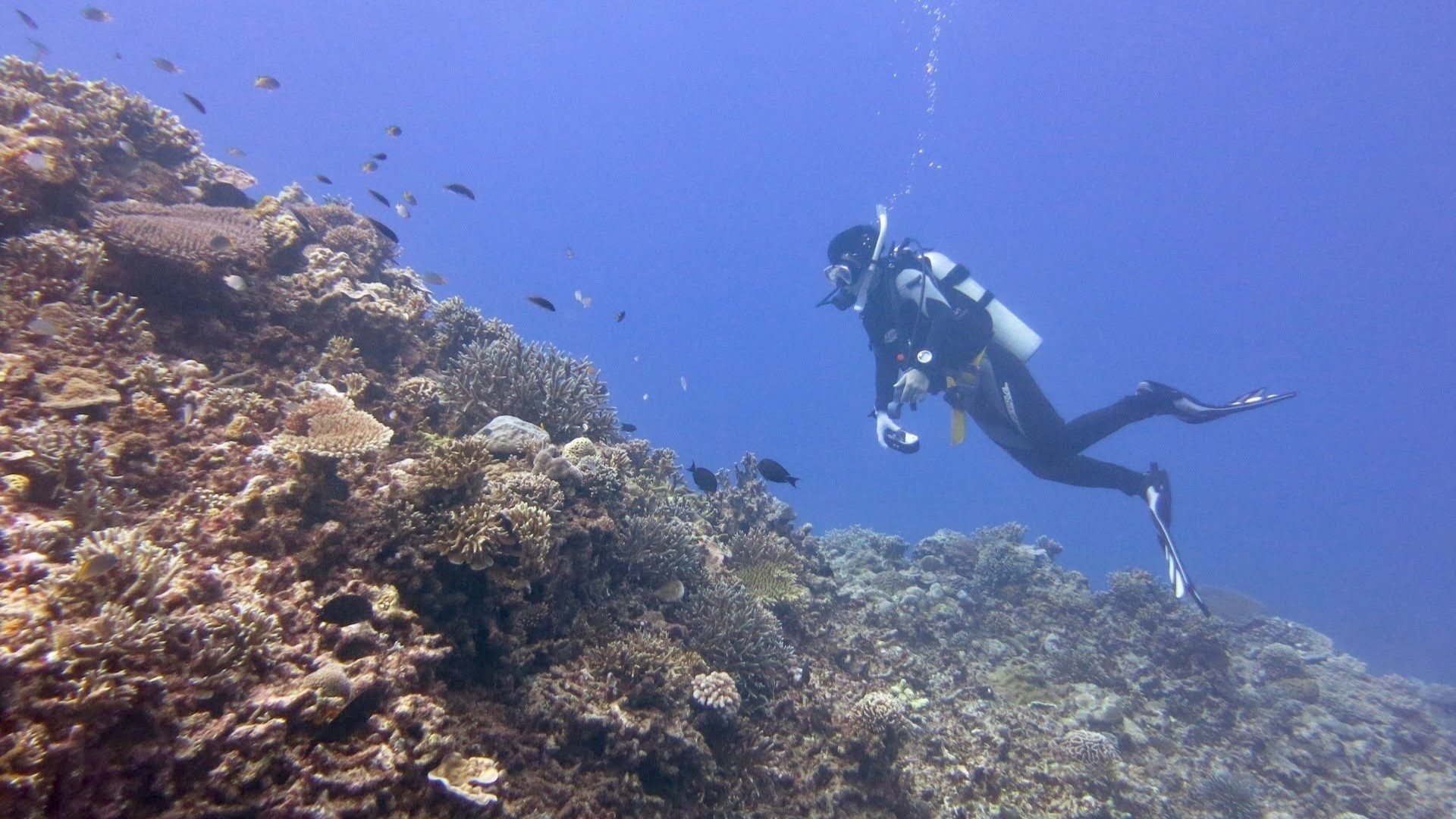
Conservation of coral reef ecosystems and understanding global environmental issues
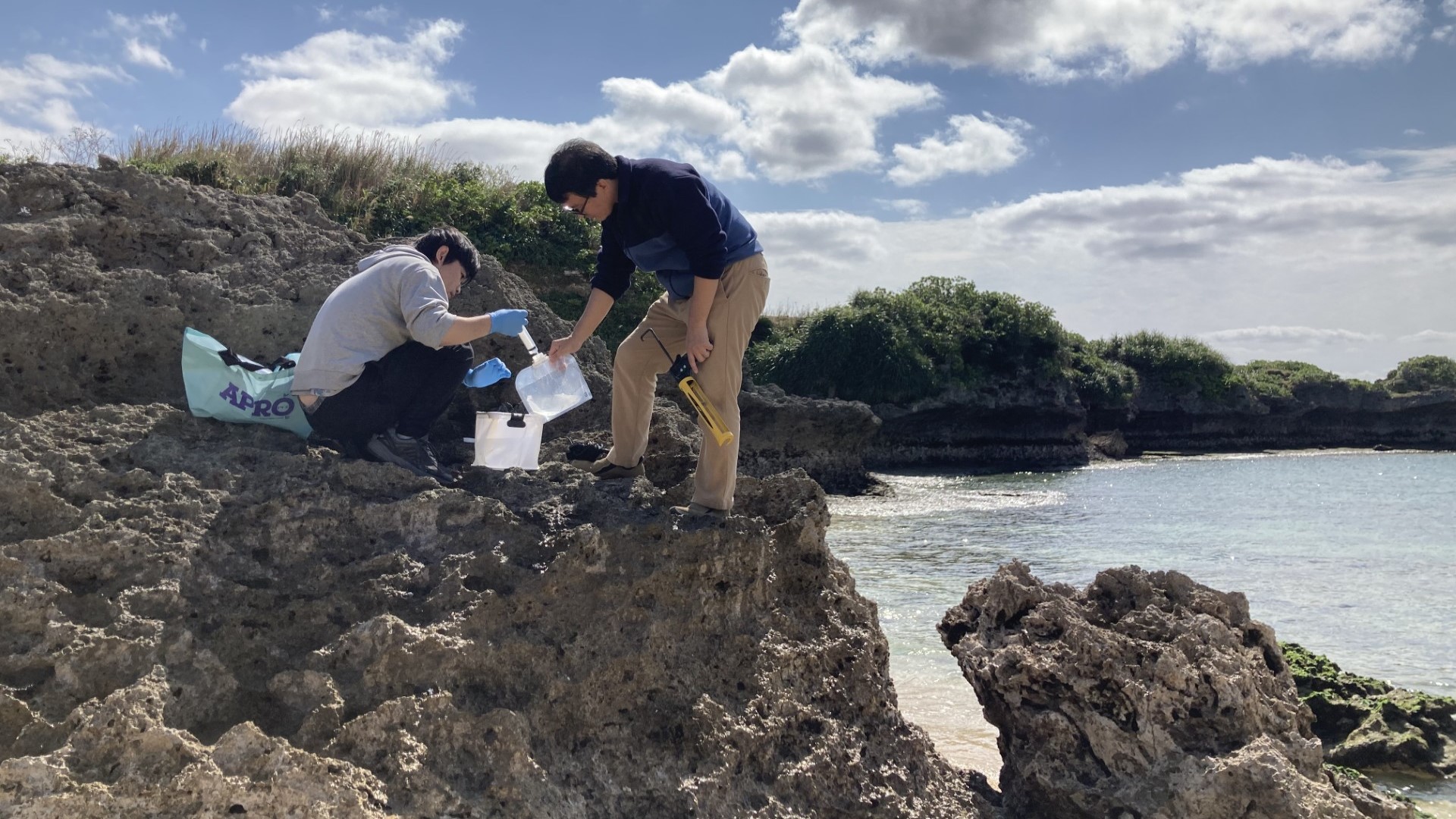
We promote efforts to conserve coral reef ecosystems in an era of high CO2. Our work includes technology development to reduce environmental loads from land and assessments of the combined effects of ocean acidification and deoxygenation. We also reconstruct climate and ocean variability over the past several centuries using coral skeletons and other archives.
Related papers
- Saito N*, Kise H, Nakajima Y, Iguchi A (2026) Kuroshio Corridor: larval dispersal networks explain geographically independent connectivity among coral habitats in Japan. Scientific Reports, 16, 11757.
- Gibu K*, Kise H, Yoshioka Y, Saito N, Nakajima Y, Sakai K, Suzuki A, Yasuda N, Iguchi A (2025) Molecular diversity of coral microbiomes shows no relationship with latitude in the western Pacific Ocean. Marine Ecology Progress Series, 772, 137-150.
- Iguchi A*, Hayashi M, Yorifuji M, Nishijima M, Gibu K, Kunishima T, Bell T, Suzuki A, Ono T (2024) Whole transcriptome analysis of demersal fish eggs reveals complex responses to ocean deoxygenation and acidification. Science of The Total Environment, 917, 169484.
- Inoue M*, ..., Suzuki A (2023) Natural and Anthropogenic Climate Variability Signals in a 237-Year-Long Coral Record From the Philippines. Paleoceanography and Paleoclimatology, 38(11), e2022PA004540.
Contributions to the Marine Geological Map Project and Coastal Zone Project
We contribute to the development of geological information for the seas around Japan through participation in the Marine Geological Map Project of the Research Institute of Geology and Geoinformation. We also support the development of geological information linking marine, coastal, and terrestrial areas through participation in the Coastal Zone Project, which aims to reduce geological hazards in densely populated urban coastal areas.