Research Overview and Reports
[List of Research Highlights and Reports]2] Research in Former Evacuation Zones in Fukushima Prefecture
Published: August 24, 2020
Journal: Radioprotection
Volume 55, Number 3, July–September 2020
Authors: Tetsuo Yasutaka and Yumiko Kanai, Geosphere Chemistry Research Group
Keywords: radio-cesium / environmental contamination / environmental monitoring / nuclear power accident / evacuation zone
A paper on research at Yamakiya and activities with local residents was published in the Journal of the French Society for Radiation Protection.
Title
A Study on Collaborative Practices, Including Dialogue Between Experts and Residents and Radiation
Measurements, in Former Evacuation Zones in Fukushima Prefecture
—Based on a Case Study in Kawamata Town, Yamakiya District—
(Dialogue, radiation measurements, and other collaborative practices by experts and
residents in the former evacuation areas of Fukushima: A case study in Yamakiya
District, Kawamata)
Authors
Tetsuo Yasutaka a, Yumiko Kanai a, Momo Kurihara a, Tatsuaki Kobayashi b, Akihiko Kondō c, Terumasa Takahashi b, Yujiro Kuroda d
- National Institute of Advanced Industrial Science and Technology (AIST)
- Graduate School of Horticulture, Chiba University
- Chiba University Center for Environmental Remote Sensing Research
- Fukushima Prefectural Environmental Creation Center
Abstract
Over the nine years following the disaster, the authors have collaborated in the Yamakiya District of
Kawamata Town, Fukushima Prefecture (Fig. 1), to conduct research on environmental radioactivity and to
implement interactive learning activities involving both residents of the Yamakiya District who had returned
home and outsiders. The interactive learning program “Yamakiya School,” which began after the residents’
return, has been held 29 times, with a total of more than 500 participants from Japan and abroad.
This paper summarizes the collaboration between researchers and local residents during these nine years of
post-disaster activities, the changes in needs and relationships, and the impact these activities have had
on local residents. It also examines the nature of the relationship between researchers and local residents
in the context of large-scale environmental disasters.
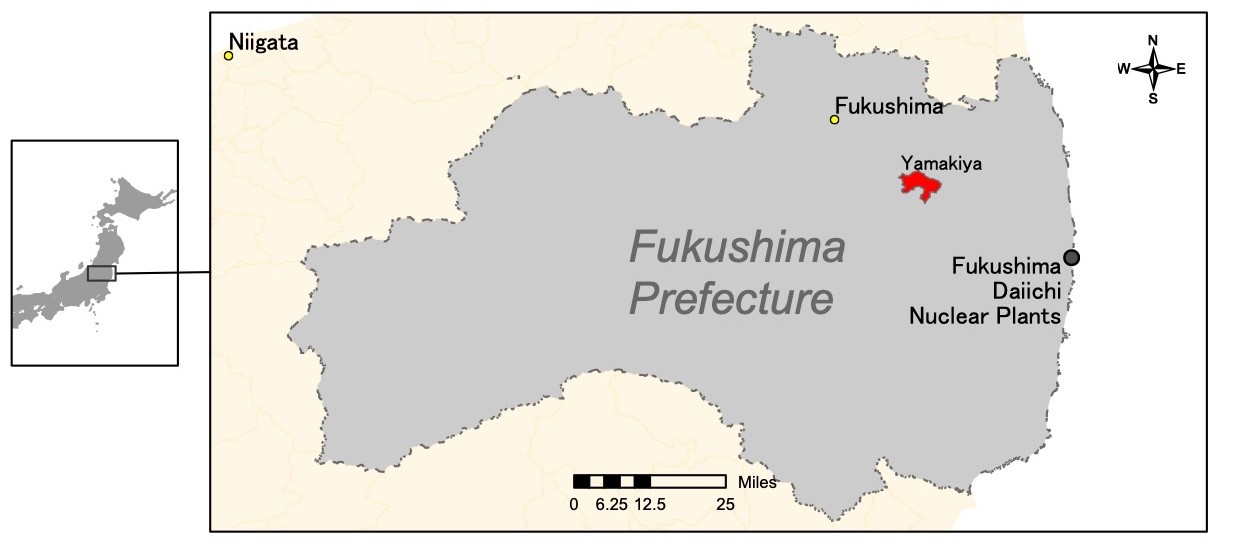
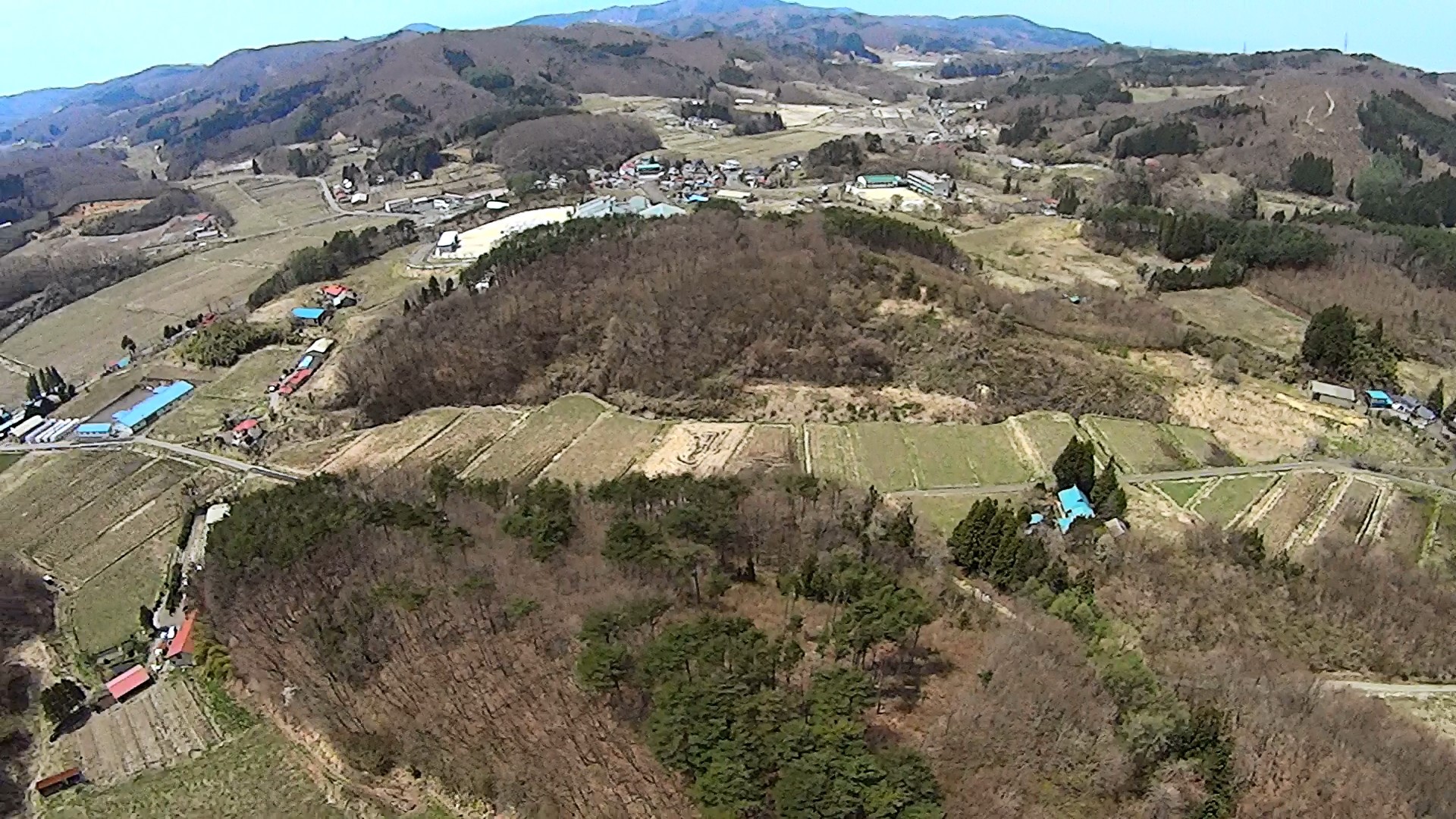
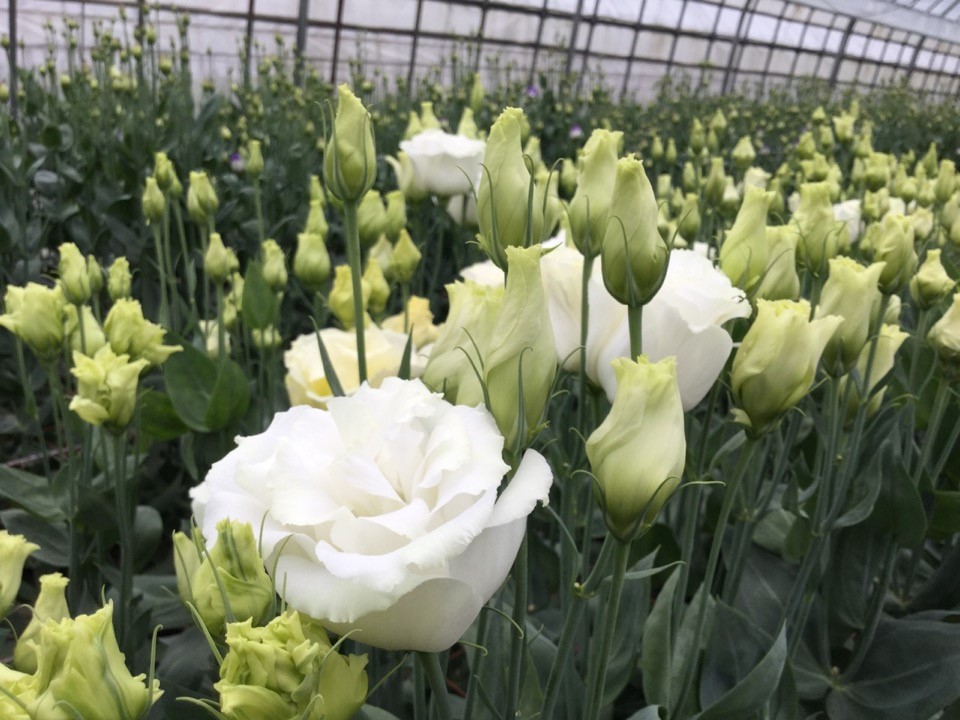
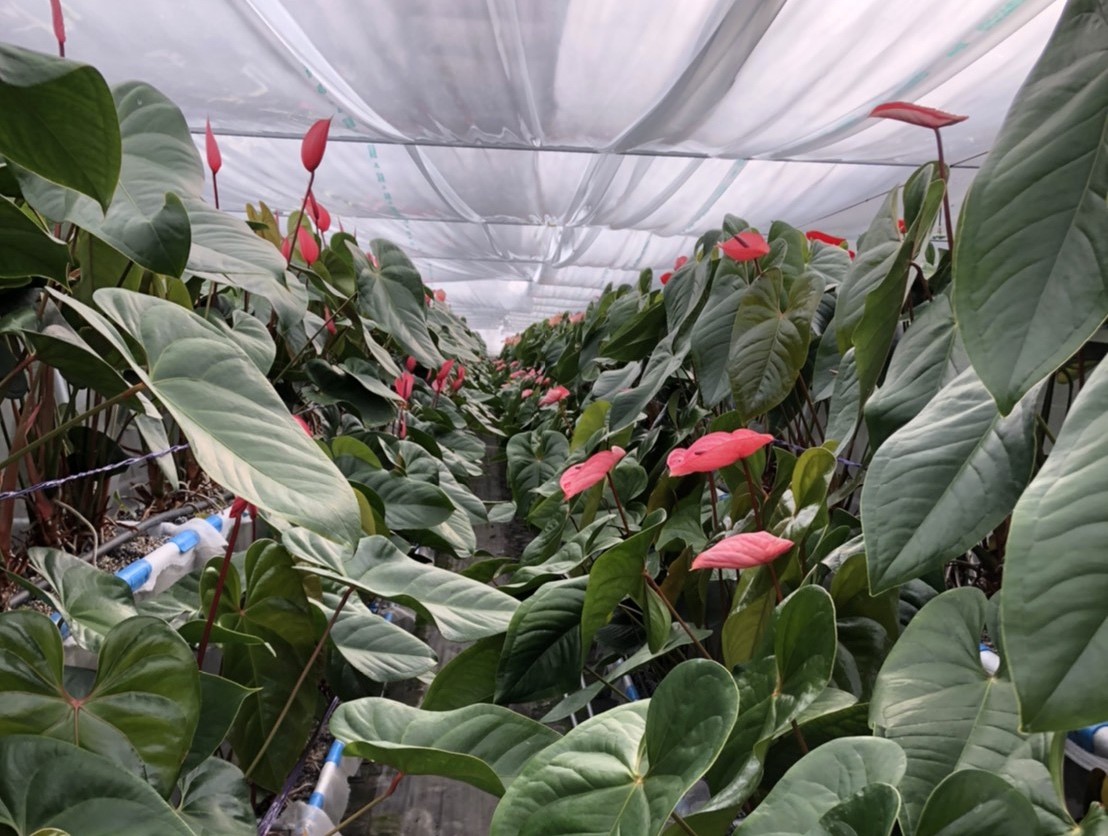
Figure 1: Location and scenery of the Yamakiya district in Kawamata Town; Turkish carnations and anthuriums, which are widely cultivated there
Changes in Dialogue and Activities Between Researchers and Local Residents: (Figure 2)
Since 2012, the authors have held annual briefing sessions in Yamakiya to report to residents on the
results of surveys regarding radioactive cesium in rivers, forests, and farmland, as well as individual
radiation doses. Initially, these sessions took the form of resident briefings where experts “unilaterally”
conveyed the results of environmental surveys; however, there was a gap between the research findings and
the residents’ needs.
To address this, in the second phase, recognizing the importance of understanding residents’ needs, the
approach shifted to emphasize “two-way” dialogue between experts and residents. Furthermore, in the third
phase following the lifting of the evacuation order, the scope of dialogue and activities (including the
two-way learning program “Yamakiya School”) expanded from a focus on “radiation” to encompass the broader
context of “daily life” as a whole.
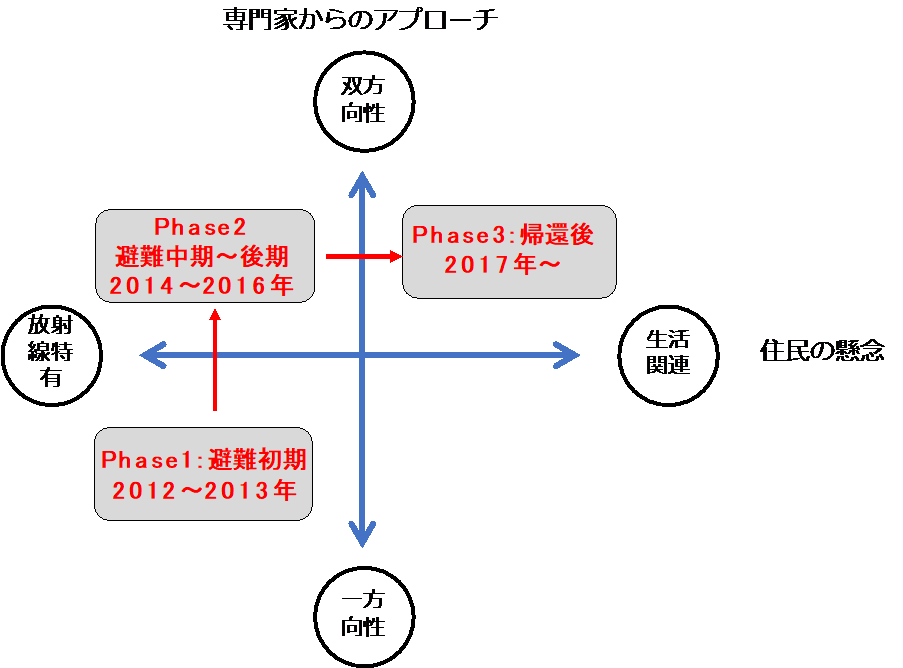
Figure 2: Evolution of Participating Residents’ Concerns and Experts’ Approaches in the Yamakiya District
Activities of the “Yamakiya School” Interactive Learning Program
In 2015, experts and residents jointly launched the interactive learning program “Yamakiya School.”To
date, the program has been held 29 times, with a total of over 500 researchers, students, and citizens from
Japan and abroad participating. Through diverse activities—including learning about the effects of radiation
and the current situation in the Yamakiya district, the conditions of the area following the return of
residents, and agricultural activities centered on life in the satoyama and flower cultivation—participants
deepened their understanding of the disaster-affected region (Figures 3 and 4).
On the other hand,
while 15 local residents have participated in the program, only five have attended five or more sessions;
the program has thus relied on the active participation of a small group of residents and has not yet
evolved into a program for the entire community.
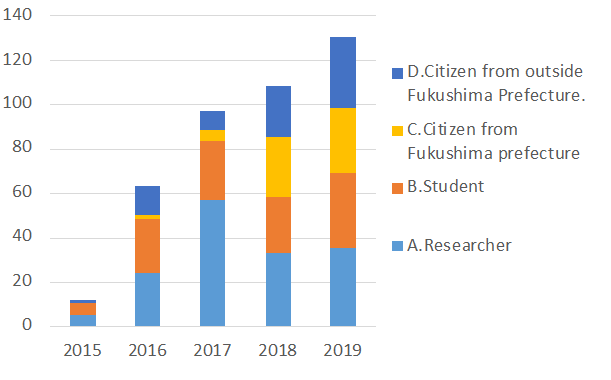
Figure 3: Changes in Participant Numbers at Yamakiya School
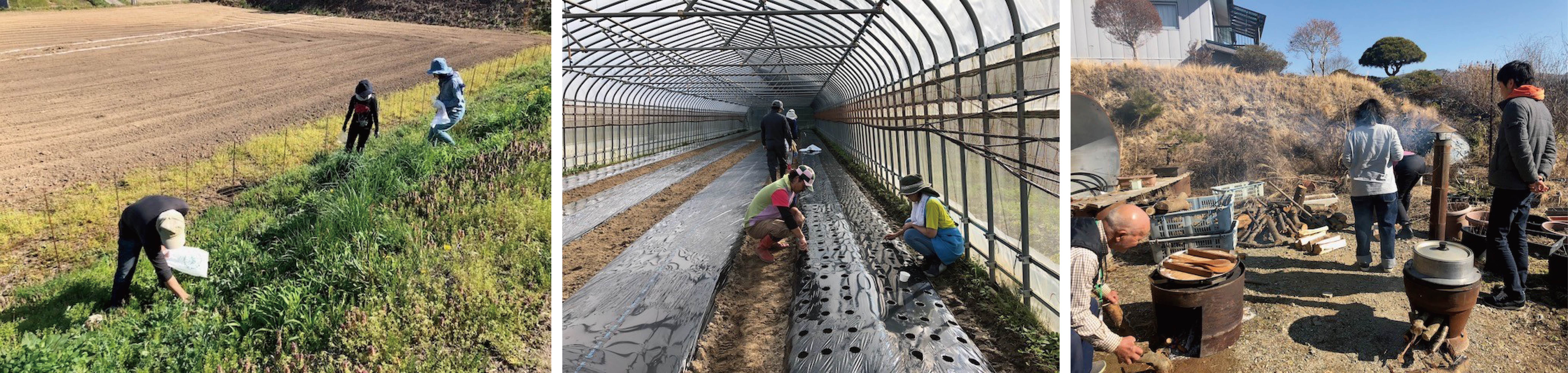
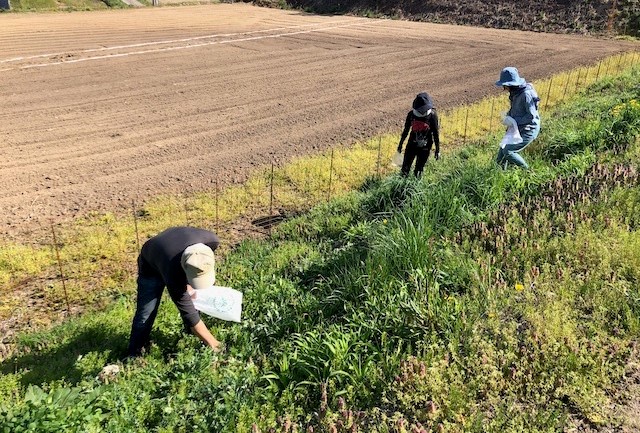
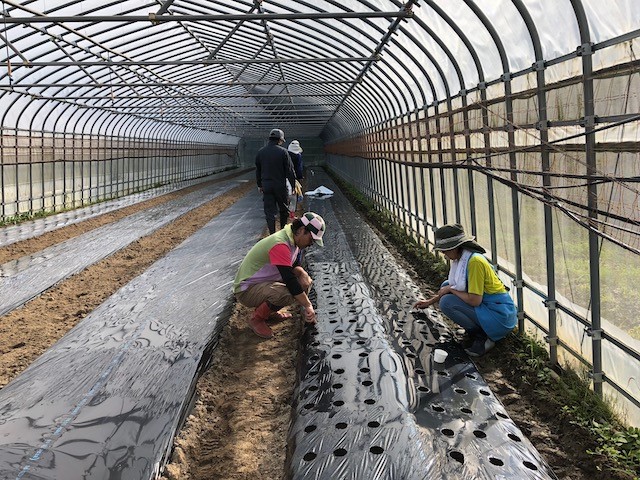
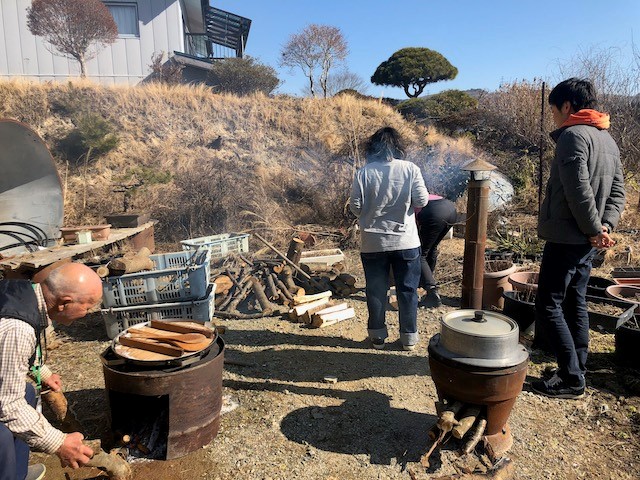
Figure 4: A portion of the Yamakiya School’s activities
(Left: Wild vegetable foraging and radioactive cesium concentration measurement
led by local residents as instructors;
Center: Hands-on learning in lisianthus cultivation; Right:
Miso-making)
Effects of the Interactive Learning Program “Yamakiya School”
Furthermore, regarding the effects of such interactive learning programs on the local community—specifically their impact on issues facing the region, such as “radiation-related concerns (environmental safety, safety of agricultural and forestry products, and unfounded rumors),” “the local community,” and “resumption of agricultural activities”—we compiled findings through interviews with participating residents of the Yamakiya district. Examples of key responses are shown below.
- Impact of Radiation: Visits from a diverse group of participants, including students, helped restore confidence in the local environment and safety, including regarding the effects of radiation. (“I already understood the safety situation myself, but having people from outside the community visit gave me even more confidence.”)
- Local Community: Through interactions with visitors, residents were able to reaffirm the value of local produce (wild vegetables and mushrooms), flower cultivation, and traditions (festivals), while also being exposed to new values. Continuing these efforts may lead to new developments.
- Resuming Farming: While these activities contribute to some extent to addressing local challenges such as population decline and labor shortages, they do not directly solve these issues.
As described above, this paper reports on a case in which experts and residents interacted and influenced one another. The authors hope to continue deepening their understanding of the current situation in the region and to contribute to the reconstruction of the disaster-affected area and the improvement of residents’ living environments.
[Acknowledgments]
We would like to express our gratitude to Mr. Genkatsu Sugano, Mr. Genei Sugano, the late Ms. Akiko Sugano,
Mr. Katsuhisa Hirono, Ms. Kuniko Hirono, Mr. Akihiko Hirono, Mr. Asao Sugano, Mr. Kinichi Ouchi, Mr. Goki
Taniguchi, Mr. Katsunobu Honda, Mr. Koichi Shigihara, the town of Kawamata, and all the local residents of
Yamakiya for their cooperation in the field survey and all related activities.This research was supported by
a grant from the Japan Society for the Promotion of Science (JSPS)
Grant-in-Aid for Scientific Research (18H04141).
[Original Publication]
https://www.radioprotection.org/articles/radiopro/full_html/2020/05/radiopro200047/radiopro200047.html#ack