Biosystems Engineering Research Group
Introduction to research
The Biosystems Engineering Research Group is engaged in: (i) “end-to-end” research on the human gut microbiome, and (ii) studies on the mechanisms underlying higher brain function. Our work thus spans multiple biological layers, from gut microbiota to epigenetic and post-translational regulatory mechanisms, with the aim of understanding their roles in disease onset and progression and, ultimately, advancing therapeutic applications. To achieve these goals, we conduct interdisciplinary studies across a range of topics, including:
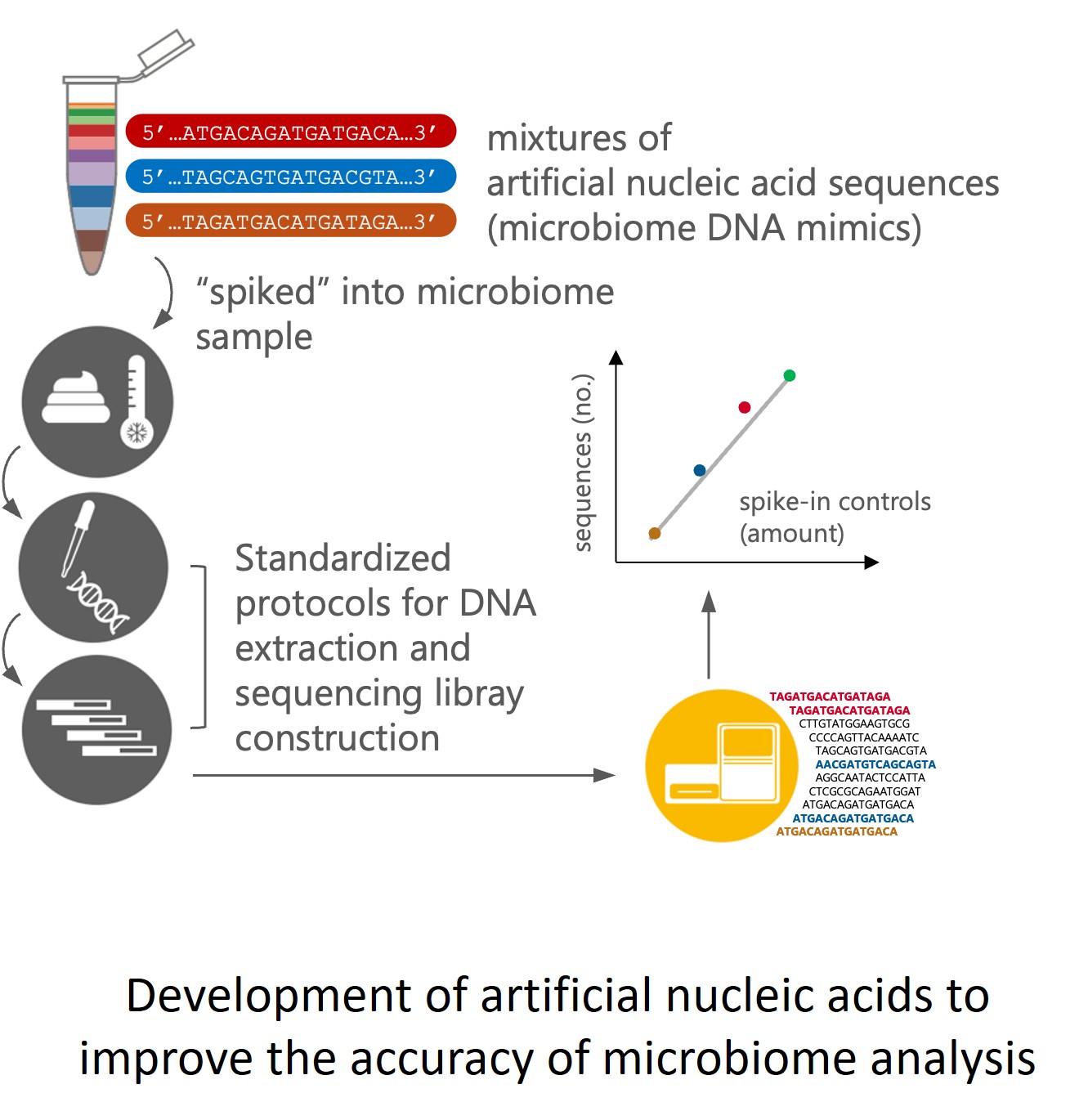
1. Development and standardization of methods for microbiome analyses.
We develop highly accurate and reproducible methods for human microbiome analysis using next-generation sequencing, through the standardization of experimental procedures and the creation of artificial nucleic acids as control reagents.
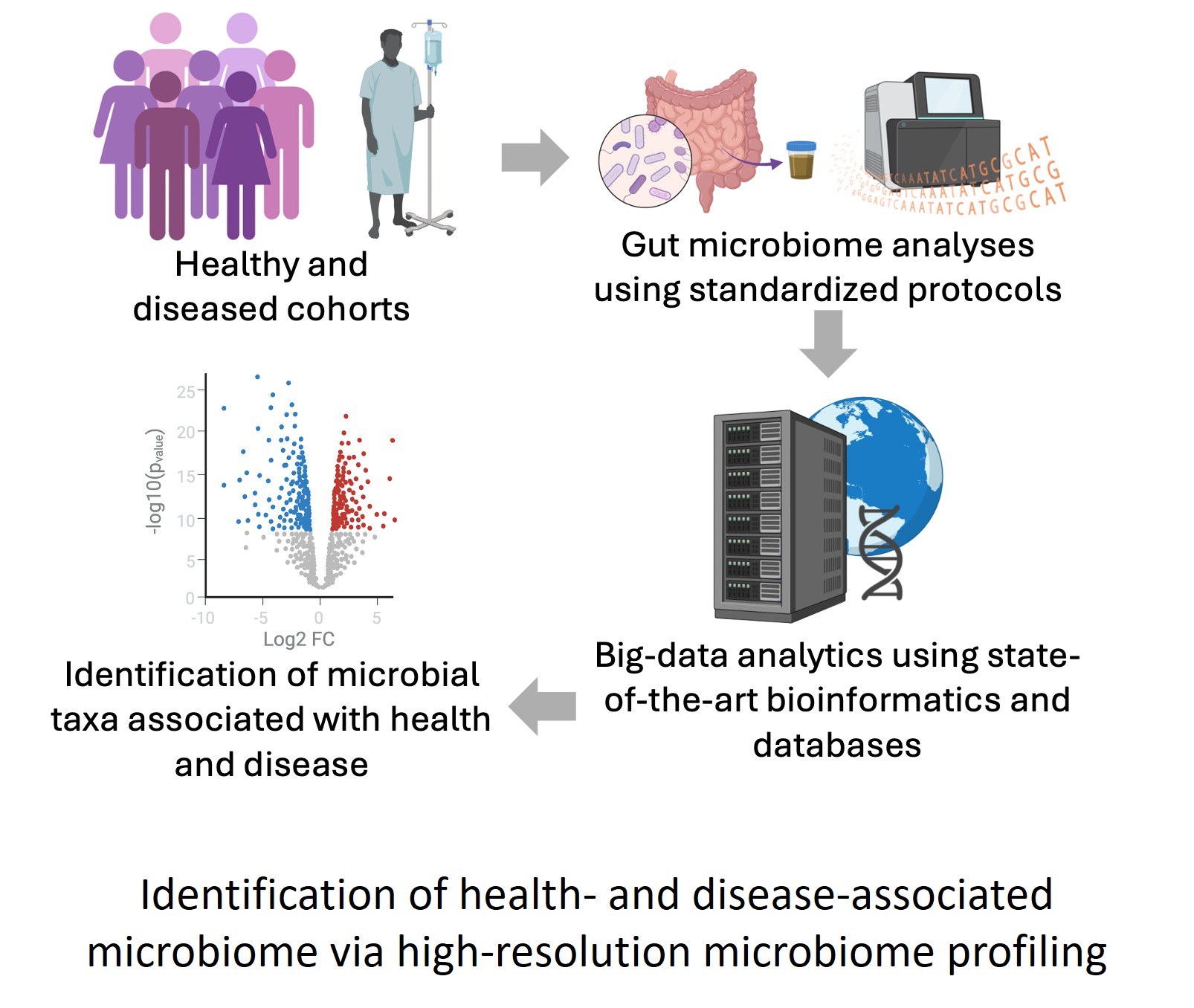
2. Investigation of microbiome-health associations through high-resolution microbiome profiling.
Leveraging our standardized methods, along with state-of-the-art databases and bioinformatics tools, we perform high-resolution microbiome profiling to characterize the gut microbiome across hundreds to thousands of samples from multiple studies. This enables us to precisely identify specific bacteria associated with disease onset, treatment response, and so on.
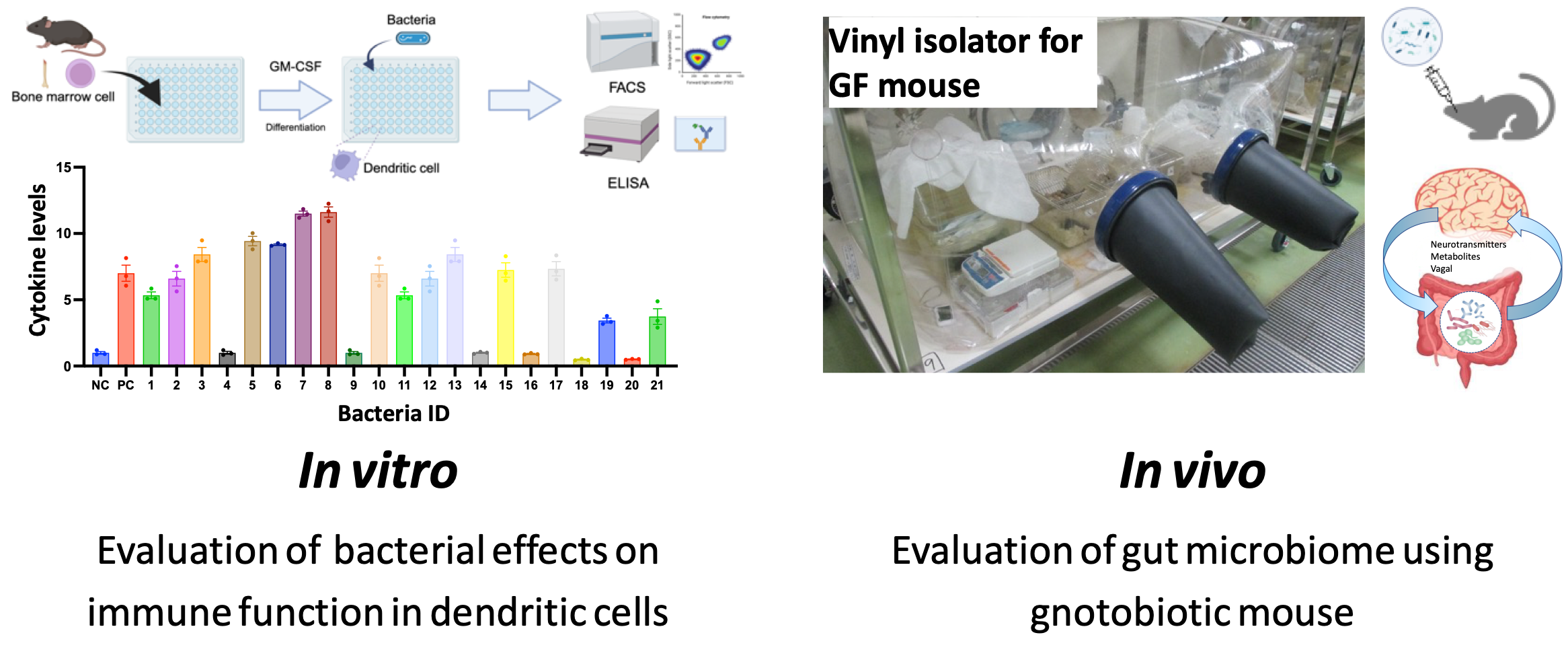
3. In vitro screening and in vivo evaluation of bacteria.
Based on the MB analysis, we isolate and culture the identified bacteria, and develop in vitro assays and disease model mice to evaluate the effects of single or multiple microorganisms on the host. Using these developed methods, we screen for beneficial microbial candidates and evaluate their efficacy using germ-free mouse models, thereby exploring their potential for therapeutic applications.
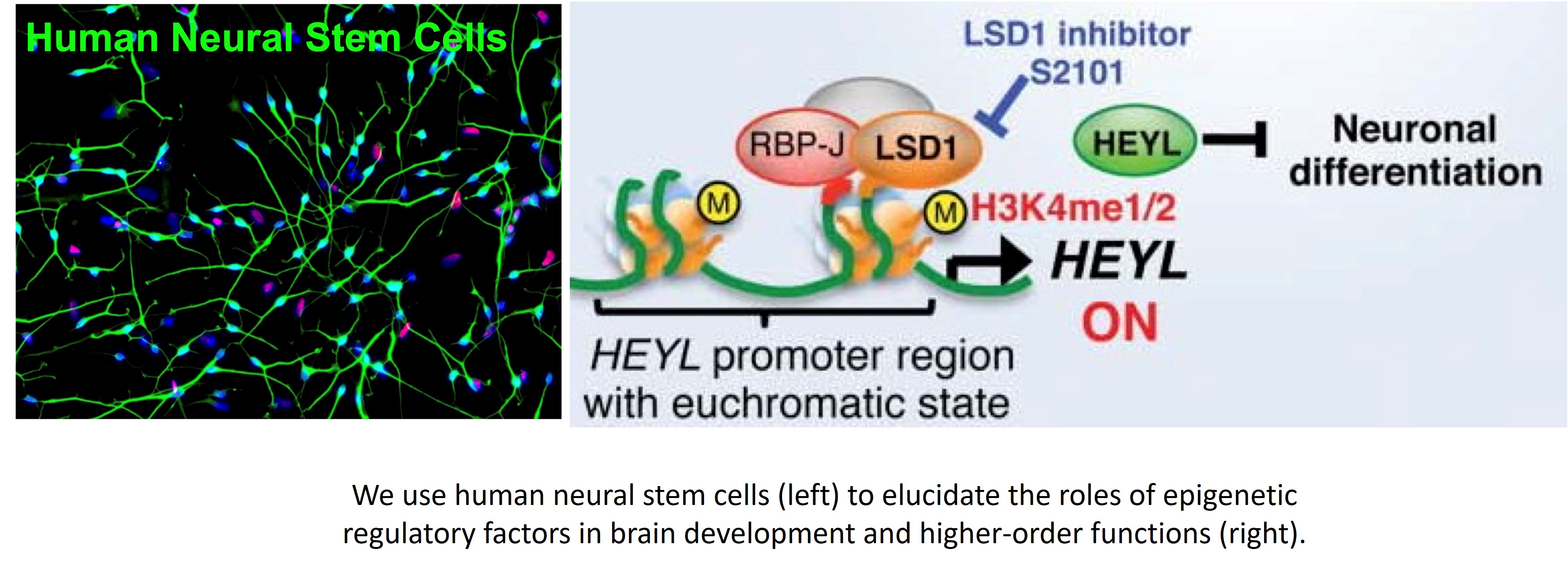
4. Functional analysis of epigenetic regulatory factors in the brain and their therapeutic applications.
We aim to elucidate the roles of epigenetic regulatory mechanisms—such as DNA methylation and chromatin structural changes—play in neural development and higher-order brain functions. Furthermore, we will develop therapeutic approaches for neurological disorders through the creation of disease model cells and animal models.
List of Publications
Staff:
- Kazutoshi Murotomi (Research Group Leader)
- Masakazu Namihira
- Tourlousse Dieter
- Yukio Ohtsuka
- Takashi Hayashi
- Yuki Shimizu
- Christine Lee Li Mei