Cell Function Design Research Group
Cell Function Design Research Group Overview
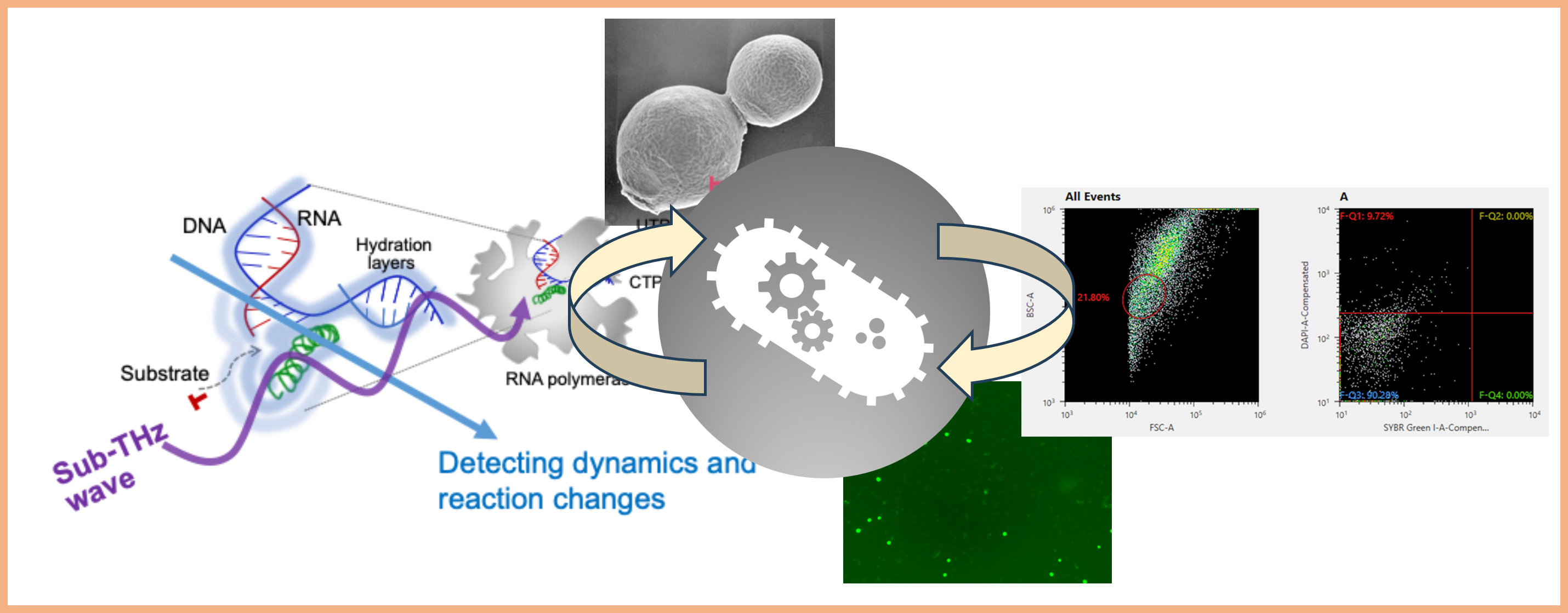
The Cell Function Design Research Group aims to engineer “fit-for-purpose cells” for the emerging cell-based bioindustry by redesigning the growth capacity, productivity, and functional stability of microbial and animal cells at the molecular level. By integrating molecular engineering technologies—including gene discovery, genetic manipulation, and expression control—with advanced approaches for optimizing culture conditions and regulating cellular functionality and storage stability, we are building a comprehensive research platform that enables seamless cell design, evaluation, and optimization
Research Project
Project 1:Development of genetic resources using metagenomics
Researcher: SUENAGA Hikaru
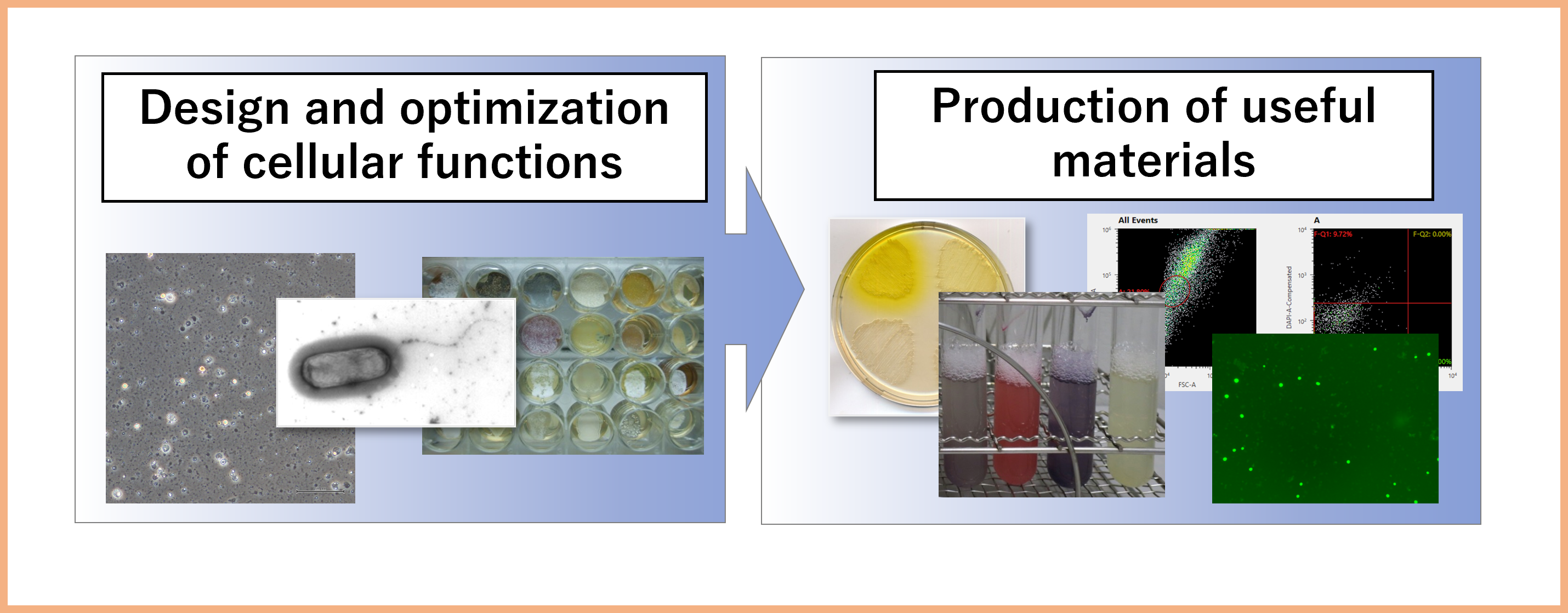
Using metagenomic approaches, we have been discovering and collecting genetic resources from microbial communities in environments beyond the scope of conventional culture. By utilizing these genetic sequences, we are applying our findings to synthetic biology and precision fermentation, including the production of novel enzymes and the development of unprecedented gene expression control systems.
Project 2:Control of hydration dynamics by sub-THz waves and elucidation of biomolecular functions
Researcher: IMASHIMIZU Masahiko
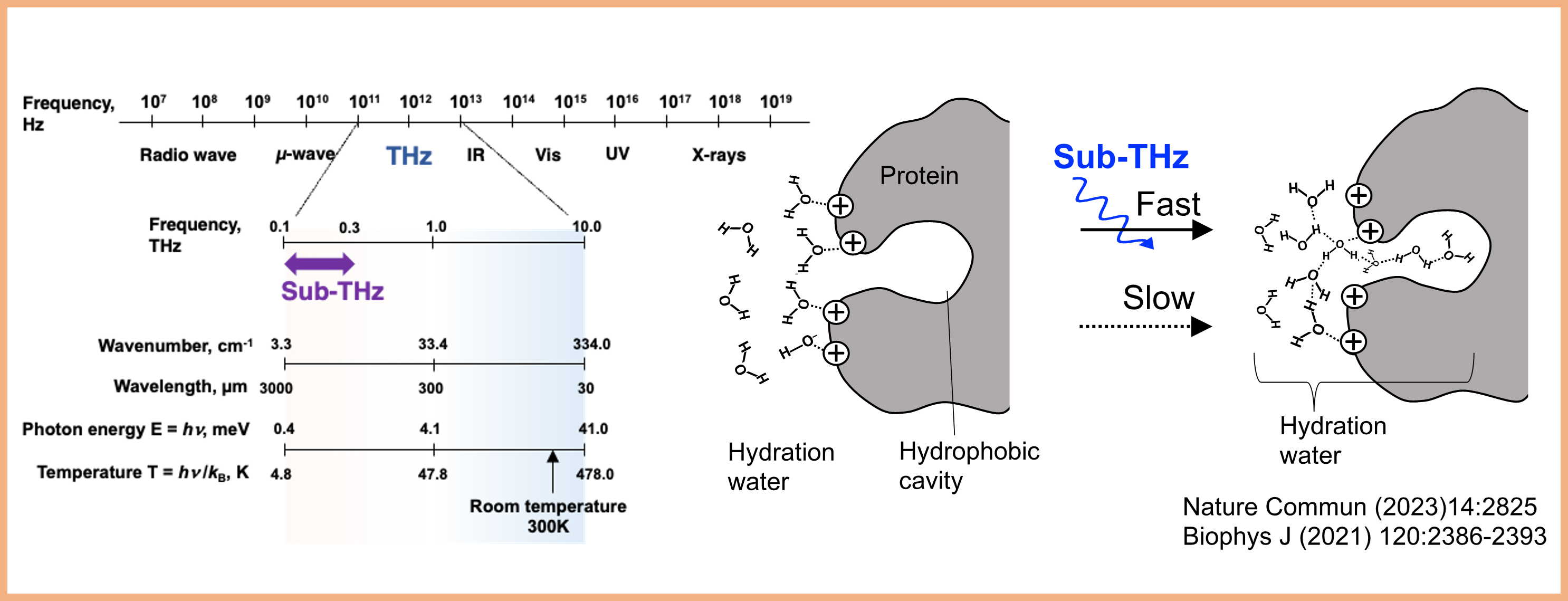
Biomolecular functions arise from the selective stabilization of specific structural states out of thermal fluctuations. In this project, we focus on hydration water as a key factor underlying this selectivity. By combining selective perturbation using sub-THz waves with dielectric spectroscopy, along with biochemical approaches and multiple spectroscopic techniques, we investigate the relationship between hydration dynamics and biomolecular functions, and work toward its control.
Project 3:Heterologous protein production in yeasts
Researcher: YOKO-O Takehiko
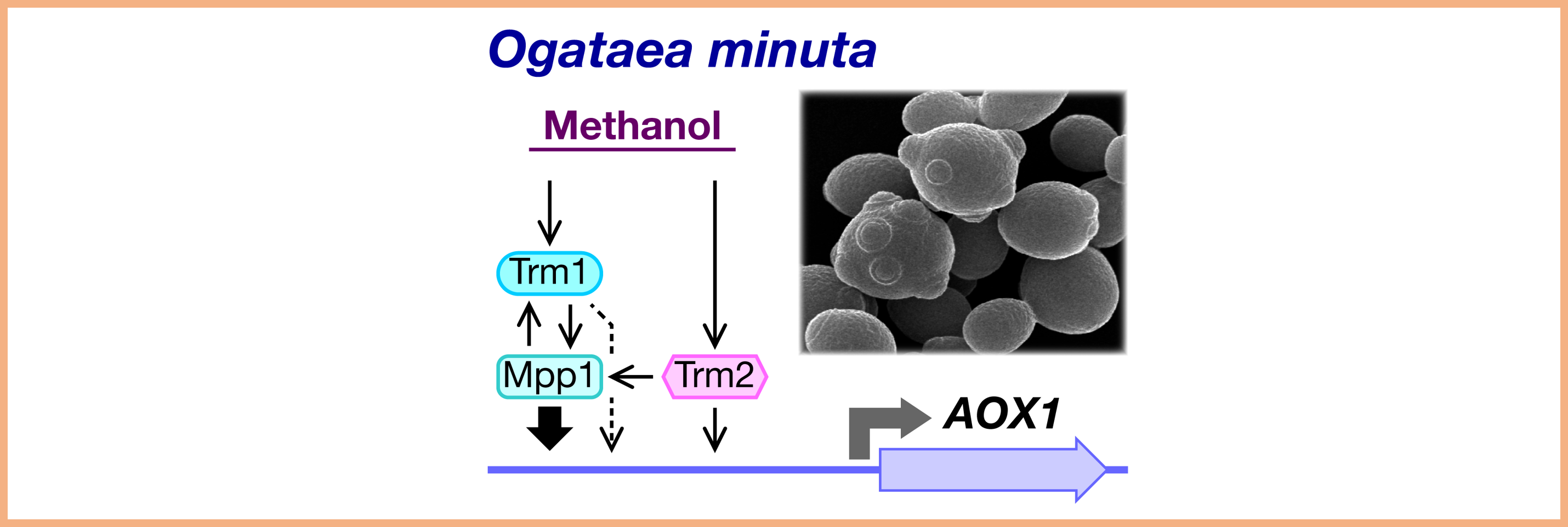
The methanol-utilizing yeast Ogataea minuta is an excellent host for heterologous protein production. Our research focuses on the development of plasmids and libraries, as well as the generation of high-yield protein-producing strains in this species. Additionally, we study the biosynthetic mechanisms of glycosylphosphatidylinositol (GPI) anchors and the localization mechanisms of glycosyltransferases.
Project 4:Development of an RNA vector for efficient gene delivery and biological applications
Researcher: SANO Masayuki
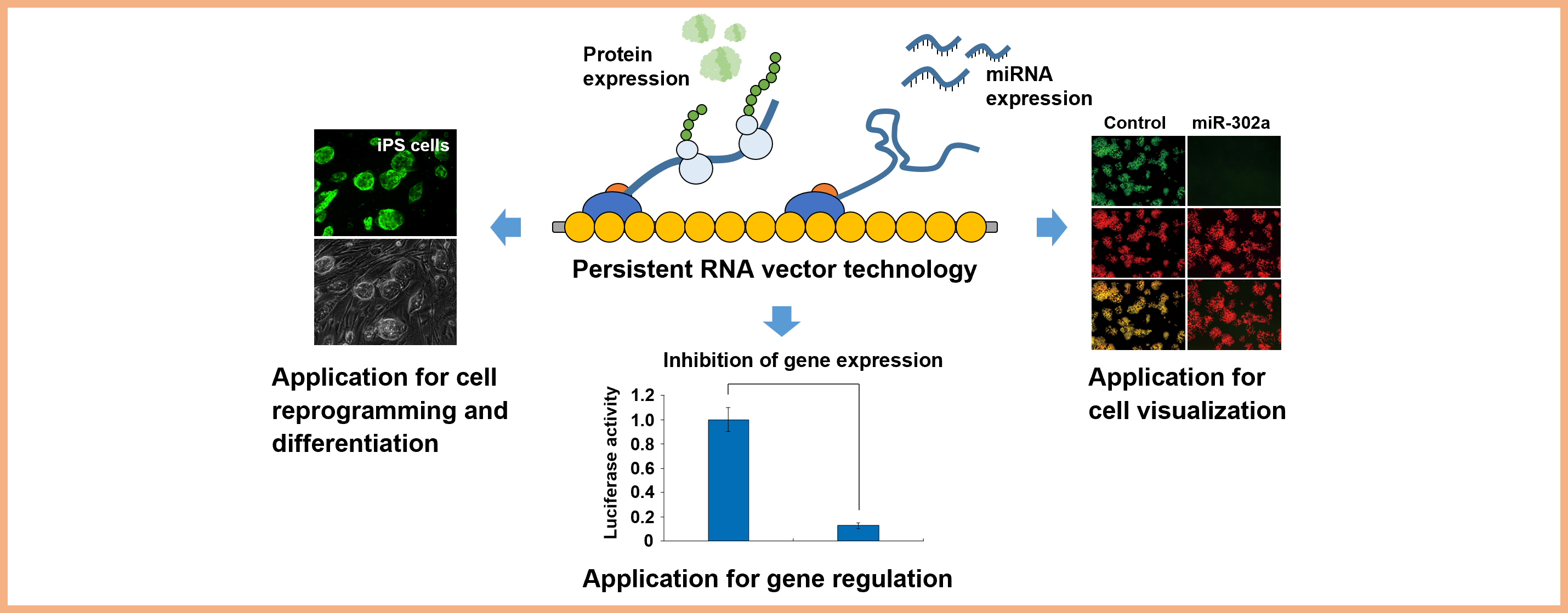
We have been developing the efficient gene delivery system that leads to high transduction efficiency, long-term expression of coding- and non-coding genes, and control of transgene expression using the persistent RNA vector. The vector system can be used to facilitate cell visualization, regulation of endogenous gene expression, and cell reprogramming and differentiation.
Project 5:Development of High-Efficiency Gene Function Screening for Industrial Cell Line Engineering
Researcher: KATO Shoichi
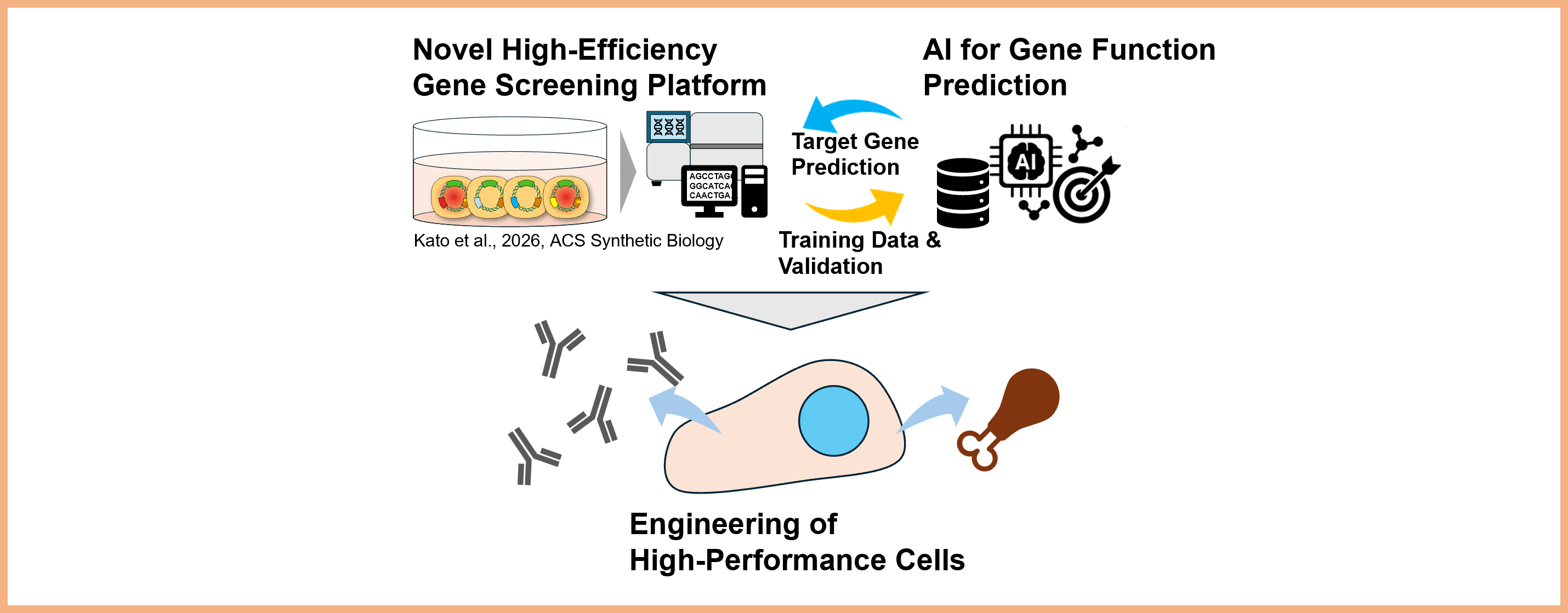
We have been developing pooled screening technologies that evaluate numerous genetic perturbations in parallel, identifying phenotype-controlling genes and their combinatorial effects. The large-scale perturbation–phenotype data obtained will serve as a training and benchmarking resource for machine learning and foundation models to predict and design perturbation outcomes. Using these screening and AI technologies, we aim to rationally engineer industrial cell lines with enhanced stress tolerance and proliferative capacity.
Project 6:The Cell factory platform: Integrated discovery and host engineering
Researcher: SRISAWAT Pisanee
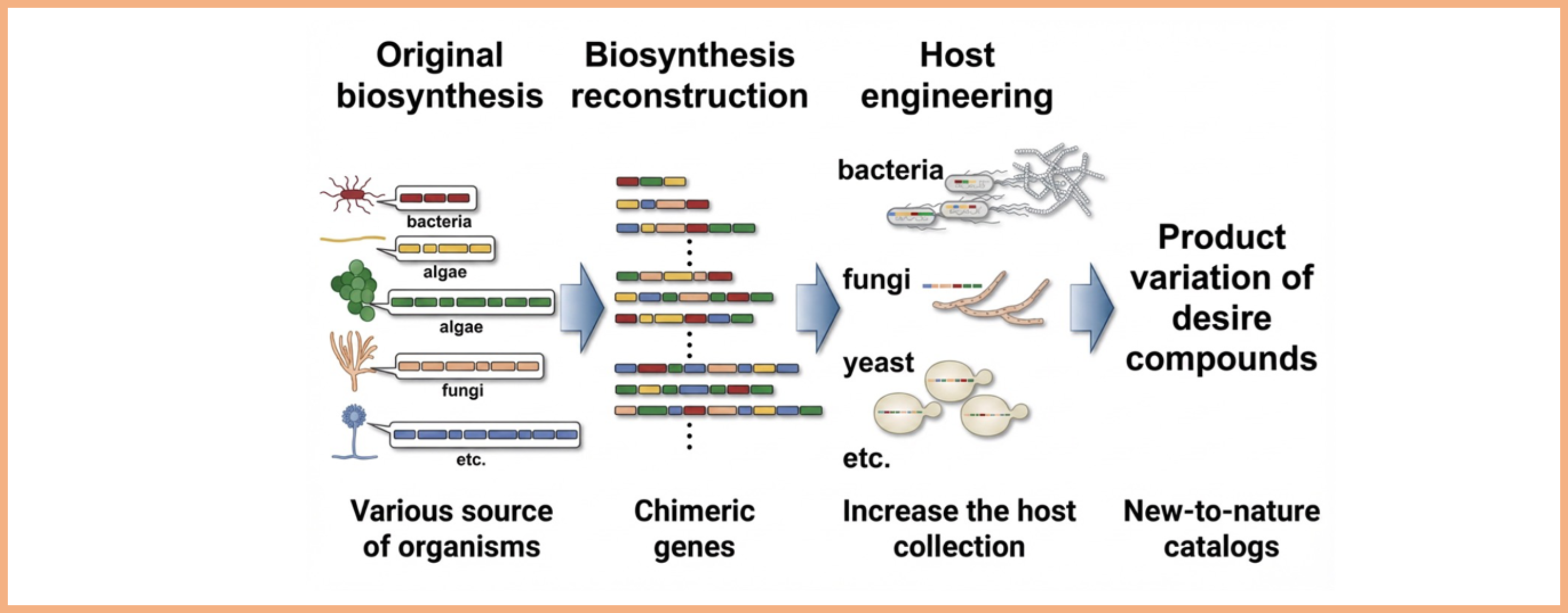
We focus on developing advanced technologies for the biosynthesis of bioactive compounds, thereby expanding the possibilities for biological assembly of complex molecules. A key aspect of our work is the precise engineering of microbial hosts, transforming them into high-efficiency cellular factories for the large-scale production of industrially relevant compounds. This capability is driven by our systematic exploration of underutilized genetic resources from natural environments, enabling access to a broad library of biological blueprints for the discovery and scalable production of next-generation sustainable solutions.
Staff Members
| photo | position & name | field of expertise | and other info |
|---|---|---|---|
 |
Research Group Leader SUENAGA Hikaru |
|
|
 |
Senior Researcher SANO Masayuki |
|
|
|
Chief Senior Researcher IMASHIMIZU Masahiko |
|
|
|
Researcher SRISAWAT Pisanee |
|
|
|
Senior Researcher KATO Shoichi |
|
|
|
Attached to Research Group YOKO-O Takehiko |
|
Publications
- Tamano, K; Takayama, H; Kozone, I; Abe, Y; Kanda, A; Kudo, K; Suenaga, H; Shin-Ya, K.
One-step in vivo assembly of a 63 kb-long biosynthetic gene cluster via multiple recombination in Aspergillus oryzae.
Applied microbiology and biotechnology. 2026 May 7;110(1):148. doi:10.1007/s00253-026-13845-7 - Suenaga, H; Fujihara, H.
Molecular basis for adaptive evolution of aromatic degradation enzymes in bacteria revealed by metagenomics.
Frontiers in microbiology. 2026 Apr 13;17:1795400. doi:10.3389/fmicb.2026.1795400 - Kudo, K; Hashimoto, T; Awakawa, T; Zhang, L; Nishimura, T; Hashimoto, J; Kozone, I; Kagaya, N; Suenaga, H; Keatinge-Clay, AT; Abe, I; Shin-Ya, K.
Skeletal editing via multi-step engineering of a modular polyketide synthase.
Nature communications. 2026 Apr 8. doi:10.1038/s41467-026-71501-0 - Suenaga, H; Miyazaki, K; Fukushima, T.
Draft genome sequence of Nonomuraea bangladeshensis strain B208 with high potential for specific cytochrome P450 monooxygenases.
Microbiology resource announcements. 2026 Feb 18:e0137125. doi:10.1128/mra.01371-25 - Yamamoto, J; Tokunaga, Y; Takeuchi, K; Imashimizu, M.
Non-thermal acceleration of DNA base pairing by sub-terahertz irradiation.
JOURNAL OF CHEMICAL PHYSICS. 2026 Feb 14;164(6):065102. doi:10.1063/5.0298033 - Tsuda, M; Nakatani, Y; Baba, S; Nonaka, K; Yoko-o, T; Chiba, Y.
Optimization of heterologous protein production process using genetically engineered Ogataea minuta toward industrial-scale manufacturing.
JOURNAL OF BIOSCIENCE AND BIOENGINEERING. 2025 Sep 8. doi:10.1016/j.jbiosc.2025.08.006 - Nishimura, T; Kudo, K; Izumikawa, M; Kozone, I; Hashimoto, J; Amagai, K; Kagaya, N; Ogura, Y; Suenaga, H; Takikawa, H; Takahashi, S; Ikeda, H; Shin-Ya, K.
JBIR-160-166 Obtained from the Heterologous Expression of a Cryptic Gene Cluster in Kitasatospora setae.
ORG LETT. 2025 Nov 24. doi:10.1021/acs.orglett.5c03682 - Zhu, J; Cai, HL; Goto, S; Shimada, M; Yurimoto, H; Sakai, Y; Yoko-O, T; Chiba, Y; Nakagawa, T.
Physiological role of the FDH1 gene in methylotrophic yeast Komagataella phaffii and carbon recovery as formate during methylotrophic growth of the fdh1-deletion strain.
J BIOSCI BIOENG. 2025 Jan 17. doi:10.1016/j.jbiosc.2024.12.007 - Hashimoto, T; Suenaga, H; Shin-Ya, K.
Application of Cas9-Based Gene Editing to Engineering of Nonribosomal Peptide Synthetases.
CHEMBIOCHEM. 2024 Dec 30:e202400765. doi:10.1002/cbic.202400765 - Kudo, K; Nishimura, T; Miyako, K; Suenaga, H; Shin-Ya, K.
A new cannabigerolic acid derivative and its unprenylated precursor produced through the reconstitution of cannabinoid biosynthesis in Streptomyces.
J ANTIBIOT (Tokyo). 2024 Dec 3. doi:10.1038/s41429-024-00793-5 - Yamamoto, K; Uzaki, M; Takahashi, K; Mimura, T.
Current status of MSI research in Japan to measure the localization of natural products in plants.
CURR OPIN PLANT BIOL. 2024 Oct 19;82:102651. doi: 10.1016/j.pbi.2024.102651 - Koshiguchi, M; Yonezawa, N; Hatano, Y; Suenaga, H; Yamagata, K; Kobayashi, S.
A system to analyze the initiation of random X-chromosome inactivation using time-lapse imaging of single cells.
SCI REP. 2024 Sep 2;14(1):20327. doi: 10.1038/s41598-024-71105-y - Song, X; Nihashi, Y; Imai, Y; Mori, N; Kagaya, N; Suenaga, H; Shin-Ya, K; Yamamoto, M; Setoyama, D; Kunisaki Y; Kida, YS .
Collagen Lattice Model, Populated with Heterogeneous Cancer-Associated Fibroblasts, Facilitates Advanced Reconstruction of Pancreatic Cancer Microenvironment.
INT J MOL SCI. 2024 Mar 27;25(7):3740. doi: 10.3390/ijms25073740 - Kudo, K; Nishimura, T; Izumikawa, M; Kozone, I; Hashimoto, J; Fujie, M; Suenaga, H; Ikeda, H; Satoh, N; Shin-Ya, K.
Capability of a large bacterial artificial chromosome clone harboring multiple biosynthetic gene clusters for the production of diverse compounds.
J ANTIBIOT (Tokyo). 2024 Mar 4. doi: 10.1038/s41429-024-00711-9 - Qayyum, MZ; Imashimizu, M; Leanca, M; Vishwakarma, RK; Riaz-Bradley, A; Yuzenkova, Y; Murakami, KS.
Structure and function of the Si3 insertion integrated into the trigger loop/helix of cyanobacterial RNA polymerase.
PROC NATL ACAD SCI U S A. 2024 Feb 20;121(8):e2311480121. doi: 10.1073/pnas.2311480121 - Hashimoto, T; Suenaga, H; Amagai, K; Hashimoto, J; Kozone, I; Takahashi, S; Shin-Ya, K.
In Vitro Module Editing Of NRPS Enables Production Of Highly Potent Gq-Signaling Inhibitor FR900359 Derived From Unculturable Plant Symbiont.
ANGEW CHEM INT ED ENGL. 2024 Jan 18:e202317805. doi: 10.1002/anie.202317805 - Suzuki, S; Saito, S; Narushima, Y; Kodani, S; Kagaya, N; Suenaga, H; Shin-Ya, K; Arai, MA.
Notch activator cyclopiazonic acid induces apoptosis in HL-60 cells through calcineurin activation.
J ANTIBIOT (Tokyo). 2023 Nov 8. doi: 10.1038/s41429-023-00673-4 - Sugiyama, JI; Tokunaga, Y; Hishida, M; Tanaka, M; Takeuchi, K; Satoh, D; Imashimizu, M.
Nonthermal acceleration of protein hydration by sub-terahertz irradiation.
NAT COMMUN. 2023 May 22;14(1):2825. doi: 10.1038/s41467-023-38462-0 - Fujihara, H; Hirose, J; Suenaga, H.
Evolution of genetic architecture and gene regulation in biphenyl/PCB-degrading bacteria.
FRONTIERS IN MICROBIOLOGY. 2023 Jun 7;14:1168246. doi: 10.3389/fmicb.2023.1168246 - Tsuda, M; Nakatani, Y; Baba, S; Tanaka, I; Ichikawa, K; Nonaka, K; Ito, R; Yoko-O, T; Chiba, Y.
Selection of the methylotrophic yeast Ogataea minuta as a high-producing host for heterologous protein expression.
J BIOSCI BIOENG. 2023 Jan 24:S1389-1723(22)00375-9. doi: 10.1016/j.jbiosc.2022.12.006 - Choirunnisa, AR; Arima, K; Abe,Y; Kagaya, K; Kudo, K; Suenaga, H; Hashimoto, J; Fujie, M; Satoh, N; Shin-Ya, K; Matsuda, K; Wakimoto, T.
New azodyrecins identified by a genome mining-directed reactivity-based screening.
BEILSTEIN J ORG CHEM. 2022 Aug 10;18:1017-1025. doi: 10.3762/bjoc.18.102 - Mellul, M; Lahav, S; Imashimizu, M; Tokunaga, Y; Lukatsky, DB; Ram, O.
Repetitive DNA symmetry elements negatively regulate gene expression in embryonic stem cells.
BIOPHYS J. 2022 Jul 8:S0006-3495(22)00557-4. doi: 10.1016/j.bpj.2022.07.011 - Matsuda, K; Arima, K; Akiyama, S; Yamada, Y; Abe, Y; Suenaga, H; Hashimoto, J; Shin-Ya, K; Nishiyama, M; Wakimoto, T.
A Natural Dihydropyridazinone Scaffold Generated from a Unique Substrate for a Hydrazine-Forming Enzyme.
J AM CHEM SOC. 2022 Jun 30. doi: 10.1021/jacs.2c05269 - Yamamoto, K; Takahashi, K; OConnor, SE; Mimura, T.
Imaging MS Analysis in Catharanthus roseus.
METHODS MOL BIOL. 2022;2505:33-43. doi: 10.1007/978-1-0716-2349-7_2 - Suenaga, H; Matsuzawa, T; Sahara, T.
Discovery by metagenomics of a functional tandem repeat sequence that controls gene expression in bacteria.
FEMS MICROBIOL ECOL. 2022 Mar 28:fiac037. doi: 10.1093/femsec/fiac037 - Hirose, J; Watanabe, T; Futagami, T; Fujihara, H; Kimura, N; Suenaga, H; Goto, M; Suyama, A; Furukawa, K.
A New ICEclc Subfamily Integrative and Conjugative Element Responsible for Horizontal Transfer of Biphenyl and Salicylic Acid Catabolic Pathway in the PCB-Degrading Strain Pseudomonas stutzeri KF716.
MICROORGANISMS. 2021 Nov 29;9(12):2462. doi: 10.3390/microorganisms9122462 - Yoko-O, T; Komatsuzaki, A; Yoshihara, E; Zhao, S; Umemura, M; Gao, XD; Chiba, Y.
Regulation of alcohol oxidase gene expression in methylotrophic yeast Ogataea minuta.
J BIOSCI BIOENG. 2021 Aug 27:S1389-1723(21)00204-8. doi: 10.1016/j.jbiosc.2021.08.001 - Suenaga, H; Kagaya, N; Kawada, M; Tatsuda, D; Sato, T; Shin-Ya, K.
Phenotypic screening system using three-dimensional (3D) culture models for natural product screening.
J ANTIBIOT (Tokyo). 2021 Jul 29. doi: 10.1038/s41429-021-00457-8 - Nishimura, T; Kawahara, T; Kagaya, N; Ogura, Y; Takikawa, H; Suenaga, H; Adachi, M; Hirokawa, T; Doi, T; Shin-Ya, K.
JBIR-155, a Specific Class D β-Lactamase Inhibitor of Microbial Origin.
ORG LETT. 2021 May 24. doi: 10.1021/acs.orglett.1c01352 - Tokunaga, Y; Tanaka, M; Iida, H; Kinoshita, M; Tojima, Y; Takeuchi, K; Imashimizu, M.
Nonthermal excitation effects mediated by subterahertz radiation on hydrogen exchange in ubiquitin
BIOPHYS J. 2021 Apr 21:S0006-3495(21)00329-5. doi: 10.1016/j.bpj.2021.04.013